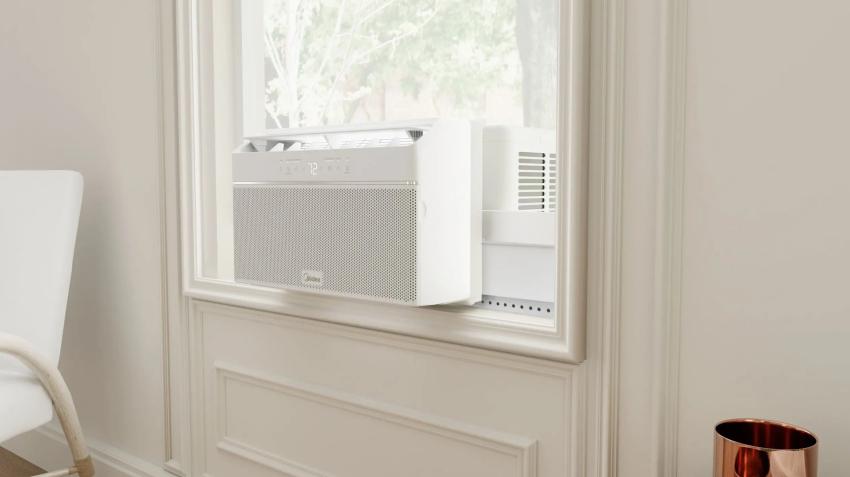
Modern cooling systems are becoming smarter every year. Homeowners now expect better comfort, lower energy use, and easy control. This is where a smart window air conditioner stands out. It combines compact design with intelligent features. However, advanced technology still needs proper care. Regular maintenance is essential to keep performance strong and reliable.
Without maintenance, even smart systems lose efficiency. Cooling becomes uneven. Energy bills rise. Small issues can turn into costly repairs. With the right approach, you can avoid these problems. Proper care helps your unit last longer and work better every season.
This guide explains how to maintain a smart window AC for long-term performance. The steps are simple. They are also effective.
How Smart Window Air Conditioners Work
Before discussing maintenance, it helps to understand how these units function. A smart window air conditioner uses the same cooling process as a standard window unit. It pulls warm air inside. Heat is removed through refrigerant coils. Cool air is pushed back into the room.
What makes it different is the technology layer. Sensors track temperature and humidity. A control board processes data. Wi-Fi modules allow app-based control. Some models support voice assistants. These features improve comfort but also require attention.
Smart components depend on clean airflow and stable power. Dust, moisture, or outdated software can affect performance. This is why maintenance must address both hardware and digital features.
How Often Maintenance Is Needed
Consistency matters more than complexity. You do not need advanced tools. You only need a schedule.
Monthly Checks
Inspect the air filter. Check airflow strength. Look for dust buildup on vents. Confirm the unit responds correctly in the mobile app.
Seasonal Maintenance
Before summer, perform a deeper inspection. Clean coils if needed. Check window seals. Test cooling output.
Before winter storage, clean the unit thoroughly. Dry all components. Cover the exterior if left in place.
Annual Inspection
Once a year, review overall performance. Listen for unusual noise. Check electrical cords and plugs. Confirm smart features respond correctly.
Regular attention keeps a smart window air conditioner operating efficiently year after year.
Air Filter Cleaning for Better Performance
Air filters are the first line of defense. They protect internal parts and improve indoor air quality. When filters clog, airflow drops. The unit works harder. Energy use increases.
Why Filters Matter
Clean filters support even cooling. They reduce dust and allergens. They protect sensors from false readings.
How to Clean the Filter
Turn off the unit. Remove the front panel carefully. Slide out the filter. Wash it with lukewarm water. Do not use harsh chemicals. Let it dry fully before reinstalling.
If the filter is damaged, replace it. A clean filter can improve performance immediately.
Coil Maintenance and Heat Transfer Efficiency
Cooling coils play a major role in system efficiency. Dirt blocks heat exchange. This reduces cooling capacity.
Evaporator Coils
These coils absorb heat from indoor air. Dust acts as insulation. Even a thin layer reduces efficiency.
Use a soft brush or coil-safe cleaner. Clean gently. Avoid bending fins.
Condenser Coils
Condenser coils release heat outside. Outdoor exposure increases dirt buildup. Leaves and debris can block airflow.
Keep the exterior area clear. Wipe coils carefully during seasonal maintenance.
Clean coils help a smart window air conditioner maintain stable temperatures and accurate automation.
Drainage and Moisture Control
Moisture is a normal part of cooling. Condensation must drain properly. If it does not, problems follow.
Check the drainage path. Ensure the unit is slightly tilted outward. Look for water pooling inside.
Blocked drainage can cause mold. It can also damage electronic components. Keeping drainage clear protects both comfort and health.
Maintaining Smart Controls and Software
Smart features are only useful when they work correctly. Digital maintenance is often ignored. This is a mistake.
Software Updates
Manufacturers release updates to fix bugs. They also improve efficiency. Check the mobile app monthly. Install updates when available.
Sensor Accuracy
Sensors rely on airflow. Dirty filters and blocked vents cause incorrect readings. This leads to poor temperature control.
Connectivity Checks
Ensure Wi-Fi connections remain stable. Weak signals cause delayed commands. Place routers close enough to maintain reliability.
Smart maintenance ensures your smart window air conditioner delivers consistent performance, not just convenience.
Window Sealing and Installation Stability
Poor installation reduces efficiency more than most people expect. Gaps allow hot air inside. Cool air escapes.
Check insulation panels. Inspect weather stripping. Seal any visible gaps.
The unit should sit level and stable. Excess vibration increases wear. It also creates noise. Proper installation supports long-term reliability.
Energy Efficiency Through Preventive Care
One major benefit of smart AC systems is energy savings. Maintenance protects this advantage.
Use scheduling features. Avoid constant temperature changes. Clean components regularly.
When airflow is unrestricted and sensors are accurate, the system runs efficiently. A well-maintained smart window air conditioner can significantly reduce electricity usage over time.
Common Maintenance Mistakes to Avoid
Many performance issues are preventable. These mistakes are common:
Ignoring filter cleaning. Blocking vents with furniture. Skipping software updates. Using strong chemicals on coils. Forgetting seasonal inspections.
Avoiding these errors protects both hardware and smart features.
When Maintenance Is No Longer Enough
Even with care, systems age. Knowing when to repair or replace matters.
Warning signs include:
Frequent shutdowns. Inconsistent cooling. Smart features failing. Rising energy costs.
Most units last 8–12 years. Proper maintenance extends this range. If issues persist, replacement may be more cost-effective.
A newer smart window air conditioner often offers better efficiency, quieter operation, and improved automation.
Long-Term Benefits of Consistent Maintenance
Maintenance is not just about fixing problems. It is about preventing them.
Benefits include:
Stable cooling performance. Lower energy bills. Better indoor air quality. Fewer unexpected repairs. Longer system lifespan.
A well-maintained smart window air conditioner provides reliable comfort in every season.
Conclusion
Smart cooling systems offer convenience and efficiency. However, technology does not replace responsibility. Regular maintenance protects your investment. It also ensures consistent comfort and energy savings. Focus on filters, coils, drainage, and smart controls. Follow a simple schedule. Avoid common mistakes. With these steps, your smart window air conditioner will continue to perform at its best for years to come. Long-term performance is not accidental. It is the result of proper care and informed maintenance.