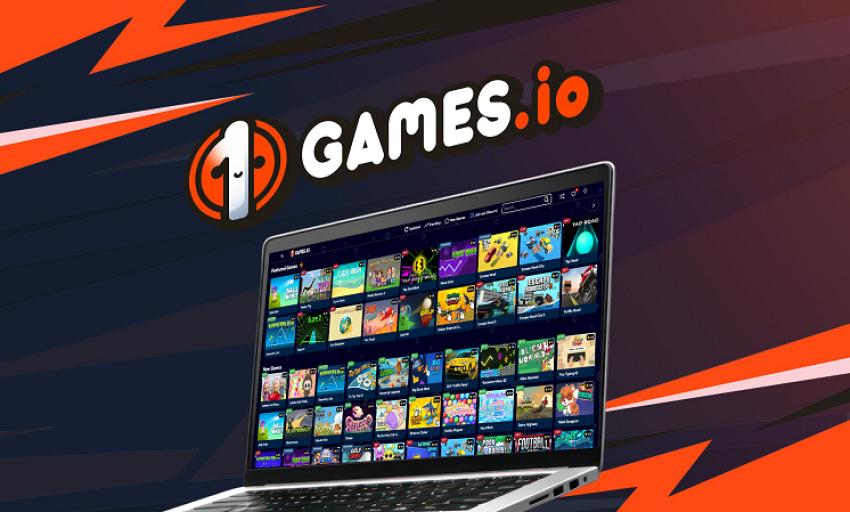
In an era when digital learning tools dominate classrooms and remote workspaces, one curious trend has remained quietly persistent — unblocked games. These simple browser-based titles have endured through every stage of internet evolution, from early Flash games to today’s lightweight HTML5 experiences.
For students and employees navigating highly managed computer systems, unblocked games offer something rare: entertainment in restricted environments. Though small in scale, their influence on digital behavior, school culture, and even the psychology of learning continues to be significant.
Understanding the Concept
An unblocked game is a browser-based video game accessible even when institutional networks attempt to restrict gaming websites. This accessibility is often achieved through alternative hosting methods, mirror links, or integration into educational-style web platforms.
Unlike large commercial games, unblocked games are designed for instant access. There are no logins, downloads, or installations — only a web page and a few lines of playable code. Their core advantage is simplicity: they run on nearly any computer with a modern browser, even those with limited processing power. This has made them particularly common on school-issued laptops and low-end Chromebooks used in classrooms worldwide.
The Historical Roots: From Flash to Freedom
The earliest generation of unblocked games traces back to the rise of Flash gaming in the early 2000s. Websites such as Coolmath Games, Armor Games, and Newgrounds became central hubs for casual online play. When educational institutions began filtering entertainment sites, new “unblocked” versions appeared under alternate domain names. Students quickly shared these links, keeping the games alive despite repeated efforts to restrict them.
The eventual end of Adobe Flash in 2020 could have marked the decline of this culture. Instead, it led to renewal. Developers recreated classic titles using HTML5 and WebGL, allowing games to run more efficiently, securely, and without plugins. The same accessibility that once defined Flash gaming continued in a modern format.
Why They Remain Relevant
The persistence of unblocked games reveals more about human nature than about technology. They fulfill a fundamental need for mental breaks in structured digital environments. Their appeal lies in several characteristics:
– Instant engagement: Players can begin within seconds, making short play sessions practical.
– Low technical barriers: No accounts, payments, or installations required.
– Light mental load: Gameplay focuses on quick reactions or puzzles, not complex strategy.
– Accessibility: They work on restricted or low-spec systems.
These traits make unblocked games ideal for environments where long or complex gaming experiences are impractical — such as classrooms, libraries, and offices.
Educational Perspectives
Educators have long debated the role of unblocked games. Critics argue they distract from lessons and undermine classroom discipline. However, some teachers recognize potential cognitive benefits when used appropriately. Short gaming sessions can promote mental rest, pattern recognition, and problem-solving skills. In moderation, they may even support focus and reduce academic burnout.
The challenge lies not in the games themselves, but in context and timing. Structured use during breaks or after lessons can encourage responsible digital habits while acknowledging the natural need for play.
The Psychological Dimension
Behind every click on an unblocked game site lies a simple motivation: relief. Structured learning and constant connectivity can lead to mental fatigue, especially among students balancing academic pressure with limited autonomy.
Playing for a few minutes provides a temporary escape, similar to taking a short walk or chatting with a friend. These micro-moments of play help students manage stress and regain attention. From a psychological standpoint, unblocked games are less about rebellion and more about equilibrium. They represent the human instinct to seek brief, restorative balance in controlled settings.
Risks and Considerations
Despite their harmless appearance, not all unblocked game sites are safe. Some host intrusive advertising, trackers, or deceptive links. For this reason, schools and families are encouraged to:
– Rely on trusted, educationally approved platforms.
– Avoid unofficial mirrors or unfamiliar URLs.
– Educate students about safe browsing practices.
Responsible awareness allows players to enjoy the benefits of casual play without unnecessary digital risks.
Beyond the Classroom
Unblocked games have quietly expanded beyond schools. Office employees use them as stress relievers during breaks. Libraries and public computer spaces sometimes include them among their accessible resources. In this way, they have transitioned from being a “student pastime” to a broader symbol of digital downtime — a reminder that entertainment can coexist with productivity, provided it remains balanced.
Looking Ahead
The future of unblocked games is tied closely to the broader evolution of online access and digital policy. As filtering systems grow more sophisticated, so do the methods for creating and distributing playable content.
Meanwhile, the philosophy behind unblocked games — open access, simplicity, and creativity — continues to influence web design and online learning tools. In some classrooms, the same design principles are now used to build educational simulations and interactive lessons. Far from disappearing, unblocked games are being reimagined in constructive forms that blend recreation and education.
Conclusion
Unblocked games began as small digital escapes in controlled environments, yet they have evolved into an enduring feature of internet culture. Their survival speaks to a universal truth: people will always seek brief, meaningful moments of play, even within structured digital systems.
Whether viewed as distractions or as healthy breaks, unblocked games reveal how technology adapts to human needs — not the other way around. In a world where nearly everything online is monitored, filtered, and managed, these quiet browser-based games remain one of the last frontiers of unfiltered creativity and simplicity.