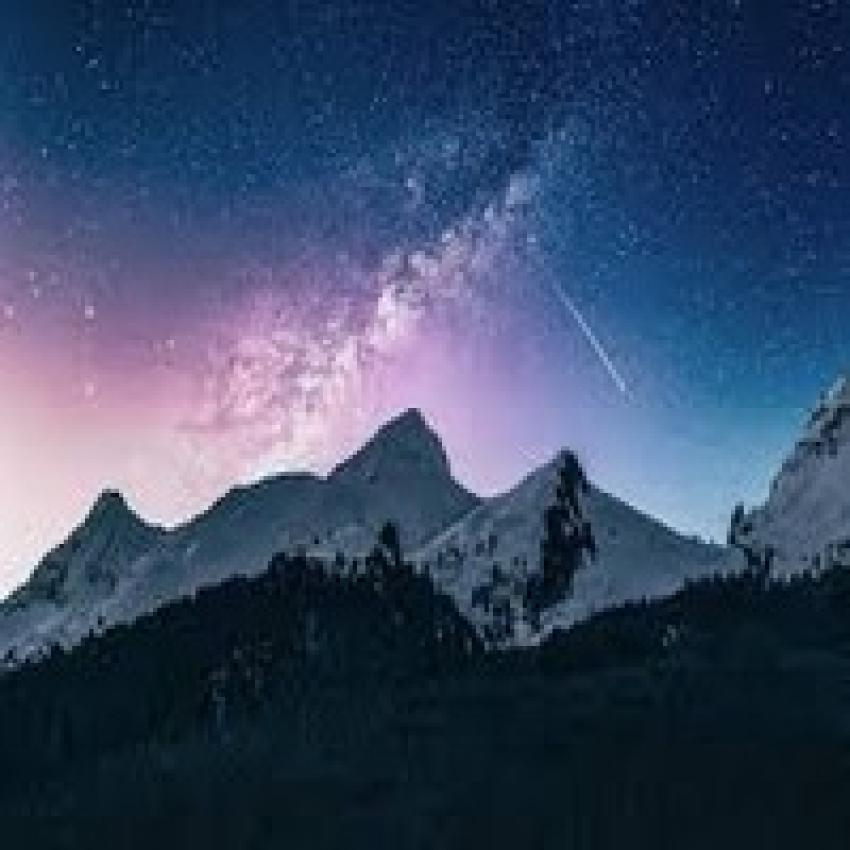
Top Places to See the Milky Way: A Stargazer’s Guide
There's something genuinely enchanting about looking up at the Milky Way—our own galaxy spreading itself across the dark sky in an awe-inspiring array of stars, dust, and celestial wonder. Sadly, city light pollution usually blurs this stellar sight, and urban residents can be left missing out on its sheer brilliance. Nevertheless, there remain some truly wonderful places on earth where the Milky Way lights up the sky, providing unforgeable stargazing adventures.
If you are coming from Glasgow and would like to go stargazing, you can book a Glasgow taxi to take you to local dark-sky destinations. Most drivers know the best routes to avoid light pollution and can transport you to pristine viewing areas comfortably.
1. Galloway Forest Park, Scotland
Designated as the UK's first Dark Sky Park, Galloway Forest Park is one of the best places in Europe to see the Milky Way. With minimal light pollution, the park offers crystal clear views of the galaxy, along with meteor showers and even the Northern Lights on rare occasions.
For foreign visitors arriving by air in Scotland, booking Edinburgh Airport transfers will enable you to access remote stargazing locations effectively. Then, a drive south through beautiful scenery will bring you to Galloway's breathtaking night skies.
2. Atacama Desert, Chile
Famous as one of the driest spots on the planet, the Atacama Desert has some of the best stargazing skies in the world. Observatories at high altitude such as ALMA and Paranal make it a hub for astronomers, but even amateur observers can appreciate the Milky Way's vibrant bands stretching across the sky.
3. NamibRand Nature Reserve, Namibia
This African Dark Sky Reserve provides an unrivaled sight of the southern Milky Way. Zero light pollution is guaranteed by the isolated desert environment, making it an ideal site for astrophotography and deep-sky observation.
4. Mauna Kea, Hawaii, USA
Sitting on top of an inactive volcano, Mauna Kea's summit is host to high-quality observatories. At almost 14,000 feet, the thin air and absence of light pollution give an unparalleled view into the universe.
5. Aoraki Mackenzie Dark Sky Reserve, New Zealand
Being the largest dark sky reserve in the Southern Hemisphere, this New Zealand treasure presents breathtaking vistas of the Milky Way's center. The reserve's stringent light pollution regulations guarantee an unforgettable experience of stargazing.
6. Jasper National Park, Canada
One of the Canadian Rocky Mountain Parks, Jasper is a UNESCO World Heritage Site and Dark Sky Preserve. Guests can take stargazing tours or simply recline and appreciate the galaxy's splendor.
7. Natural Bridges National Monument, USA
Renowned for its rock arches, this Utah landmark also offers a beautiful setting for Milky Way photography. The natural darkness of the location makes it a favorite among astrophotographers.
8. La Palma, Canary Islands
La Palma's Roque de los Muchachos Observatory has good altitude and clear Atlantic skies, and is among the best spots in Europe to view the Milky Way.
9. Kiruna, Sweden
Situated in Swedish Lapland, Kiruna has not only breathtaking Milky Way views but the opportunity to witness the Aurora Borealis. The Arctic landscape guarantees little light pollution.
10. Uluru-Kata Tjuta National Park, Australia
Australia's Outback offers some of the darkest skies in the world. Close to Uluru, tourists can see the Milky Way in all its glory, as well as the Southern Cross constellation.
Final Thoughts
Witnessing the Milky Way in all its glory is a humbling and awe-filled experience. If you are in Scotland, Chile, or Australia, these locations provide the perfect getaway from light pollution. Take your trip during a new moon for optimal visibility, and don't forget to bring a good camera to catch the cosmic wonder!
Witnessing the Milky Way in all its glory is a humbling and awe-filled experience. If you are in Scotland, Chile, or Australia, these locations provide the perfect getaway from light pollution. Take your trip during a new moon for optimal visibility, and don't forget to bring a good camera to catch the cosmic wonder!
Do you want more advice on stargazing equipment or photography? Let us know in the comments!