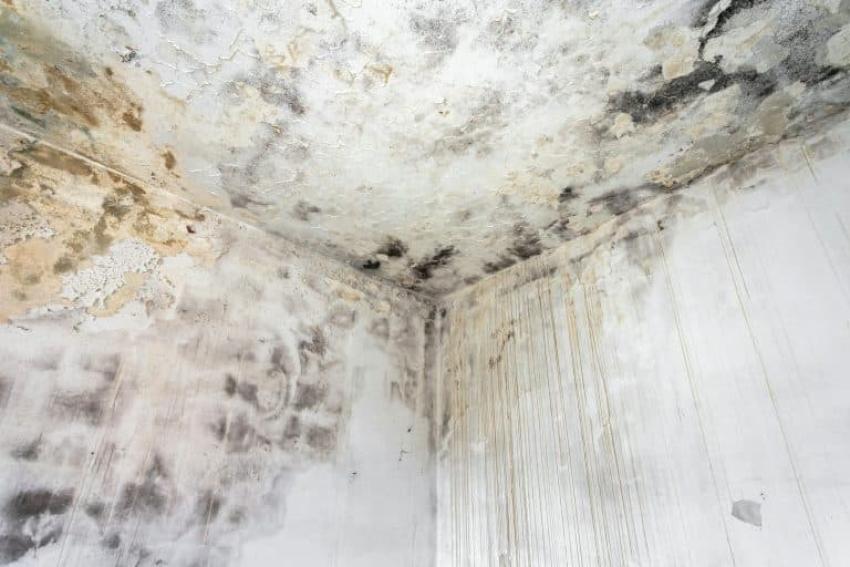
Mold exists all around us, often hiding in plain sight within our homes. These microscopic fungi flourish in damp, humid conditions, establishing colonies in bathrooms, kitchens, basements, and any area with moisture issues. While some types appear as black spots, others might present as green, grey, or even pink patches on walls, ceilings, and other surfaces.
What many homeowners don't realise is that mould doesn't need major flooding to grow—even small water leaks, condensation, or high humidity levels can create perfect conditions for mould to multiply. According to Kleen Slate Services experts, indoor humidity levels above 60% significantly increase mold growth. The naturally damp climate makes many homes particularly susceptible, especially older properties with poor ventilation or existing dampness problems.
Health Risks Associated with Mould Exposure
Mould exposure presents serious health concerns that many people underestimate. When mold releases spores into the air, these microscopic particles can trigger allergic reactions, including sneezing, runny nose, red eyes, and skin rashes. For asthma sufferers, mold spores may cause severe attacks and breathing difficulties that require medical attention.
More concerning are the long-term health effects from continuous exposure. Certain mold types produce mycotoxins—dangerous compounds that can lead to neurological problems, immune system suppression, and respiratory disorders. Children, elderly individuals, and those with compromised immune systems face the highest risk from these exposures. The World Health Organization has linked indoor mold exposure to increased risk of respiratory symptoms, respiratory infections, and worsening of asthma in otherwise healthy people.
Common Mould Hotspots in Your Home
Bathrooms rank as prime locations for mould growth due to their constant moisture. Look carefully at shower curtains, grout lines, and ceiling corners where steam collects. Even with regular cleaning, these areas can harbour persistent mould colonies that return despite your best efforts.
Kitchens provide another ideal environment for mold development. The area beneath sinks often suffers from slow, undetected leaks that create perfect mold conditions. Additionally, refrigerator drip trays, window sills that collect condensation, and even the soil in houseplants can become mould breeding grounds. Basements and attics deserve special attention, too, as they frequently experience poor air circulation and temperature fluctuations that contribute to condensation and subsequent mold problems.
DIY Removal vs. Professional Intervention
Many homeowners attempt to tackle mold problems with household cleaners, often with disappointing results. While bleach solutions might remove surface mould temporarily, they typically fail to address the root cause or penetrate porous materials where mould hyphae (root-like structures) continue to grow. This explains why DIY efforts frequently lead to recurring mold issues weeks after apparent "successful" cleaning.
Professional mould remediation offers comprehensive solutions that DIY methods cannot match. Certified technicians possess specialised equipment like moisture meters, thermal imaging cameras, and professional-grade HEPA filtration systems that identify and address the full extent of contamination. Professionals can also safely remove affected materials, apply appropriate antimicrobial treatments, and implement preventative measures to stop future growth. For mould problems exceeding three square metres or involving structural elements, professional intervention becomes essential for effective resolution.
The Professional Mould Removal Process
Professional mold remediation follows a systematic approach that ensures thorough elimination. The process begins with a comprehensive assessment where technicians identify all affected areas using advanced detection tools that can find hidden mould behind walls and under floors. They then create containment zones with negative air pressure to prevent spores from spreading to clean areas during removal.
The actual remediation involves several technical steps. Technicians remove heavily contaminated materials that cannot be salvaged, HEPA vacuum all surfaces, and apply specialised treatments to kill remaining mould. After remediation, air testing confirms successful mould removal before containment barriers come down. The final stage includes addressing underlying moisture problems through repairs or installation of proper ventilation systems, thereby preventing recurrence. This scientific, multi-stage approach explains why professional services deliver more reliable, long-lasting results than DIY attempts.
Prevention Strategies and Maintenance Tips
Preventing mold requires ongoing vigilance and practical home maintenance. Start by controlling indoor humidity levels; experts recommend maintaining levels between 30-50% using dehumidifiers in problem areas. Additionally, ensure proper ventilation throughout your home, especially in moisture-prone spaces like bathrooms and kitchens, where exhaust fans should operate during and after activities generating steam.
Address water issues promptly—even small leaks can create significant mould problems if left unchecked. Check pipework regularly, repair leaky roofs immediately, and ensure gutters remain clean to prevent water intrusion. Simple daily habits make a difference too: dry shower walls after use, avoid drying clothes indoors without ventilation, and keep furniture slightly away from exterior walls to improve air circulation. By combining these preventative measures with annual professional inspections, you can maintain a healthier, mold-free home environment for years to come.