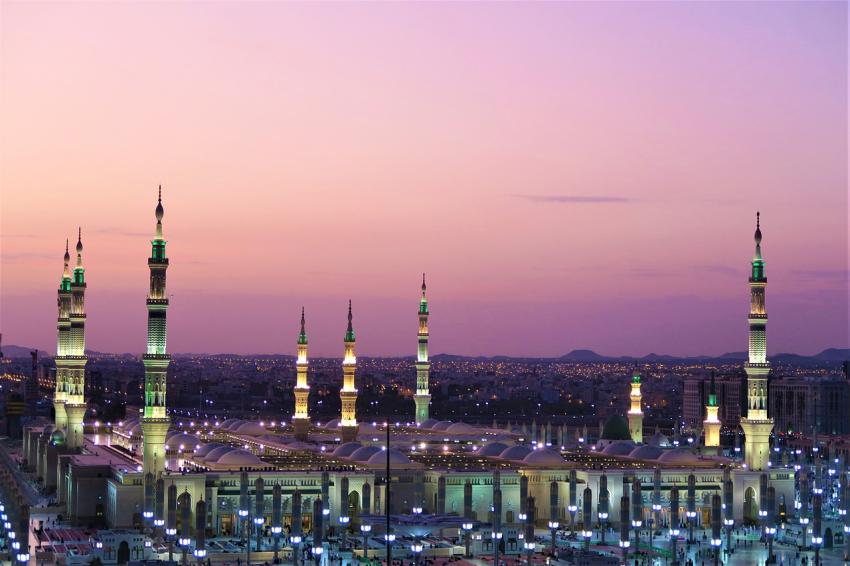
Saudi Arabia offers a unique blend of modern architectural marvels, rich cultural heritage, ancient religious sites, modern dining destinations, vast desert landscapes, cultural events and festivals, and luxury lifestyle experiences. The Red Sea Project and the Al-Ula region are emerging modern attractions incorporated into Saudi Arabian tourism to attract and cater to a larger international tourist audience. Apply for a Saudi evisa from Dubai and enjoy a fabulous holiday exploring the modern tourist destinations in Saudi Arabia.
There are three seasons that Saudi Arabia experiences all through the year. Let us take you through each season and its specialties.
1. Winter Season
Duration – November to February
Temperature – 15oC to 25oC
Saudi Arabia is a preferred winter destination as the cool weather makes it ideal for sightseeing and exploring the culture, history, architecture, cuisine, and much more. The mountainous terrain in the southern region is even cooler than the top destinations, making it ideal for tourism and leisure.
The winter season runs from November to February, often the best time to visit Saudi Arabia. The pleasant and comfortable climate supports the exploration journey for all global tourists and visitors. No matter which destination you want to cover. Whether Riyadh, Jeddah, Al-Ulha, or Diriyah, the cooler climate supports outdoor adventure, like the desert safari in the Empty Quarter or hiking in the Asir National Park. This is the go-to season for every traveler. Several tourists worldwide apply for a Saudi evisa from Dubai, and you should make sure that you book your hotels and flights in advance to accommodate the peak season prices.
Festivals to attend or participate in are the Al-Janadriyah festival, which showcases the rich traditions and culture of Saudi Arabia, and the Riyadh Spring Festival, which transforms Riyadh’s desert landscape into a vibrant and colorful flower bed fashioned into several shapes and sizes.
Key highlights
Pleasant and dry weather with temperatures hovering between 15oC and 25oC.
Hotel, flights, and attraction prices are sky-high due to the peak season
Unique cultural experiences at
Al-Janadriyah Festival gives deep insights into Saudi Arabia’s rich past.
Souq Okaz is a cultural festival highlighting Saudi’s cultural heritage and traditions, including arts and crafts, poetry, interactive exhibitions, and events.
2. Summer season
Duration – June to September
Temperature – 45oC to 50oC
The summer season in Saudi Arabia is quite hot and intolerable. All thanks to its mighty desert landscape. Even though the weather is quite extreme, if you can cope with the heat, the summer season is quite a handful in terms of tourist attractions and festivals.
The cooler regions like Taif, renowned for its vibrant rose gardens and fruit markets, and the Red Sea coastline experience comparatively lower temperatures than the mainland.
Live concerts, shopping discounts, and vivacious fireworks are found in plenty, which make it one of the best times for tourists and locals to explore Saudi Arabia to visit Saudi Arabia for tourists and locals, including the ones holding the Iqama in Saudi Arabia.
Budding festivals like the Jeddah Summer Festival and religious festivals like Eid Al-Fitr and Eid Al-Adha are wonderful ways to bond with the locals and explore the cultural heritage defining Saudi Arabia.
Key highlights
Being the off-season, you can get heavy discounts on flights, hotels, and resorts, making it ideal for budget travelers to book their holidays.
Climatic conditions are hot and torrid, with day temperatures touching 40oC and even 50oC.
Ideal weather to enjoy the best indoor activities like Museum visits or exploring the local markets to add to your souvenir or attire collection.
The unique experiences at the Jeddah Summer Festival, Eid Al-Fitr, and Eid Al-Adha are great ways to dive deep into experiencing the ideal mix between Saudi Arabia’s cultural heritage and modern blends.
3. Monsoon season
Duration – April to May and October to November
Temperature – 25oC to 35oC
There is no traditional monsoon season defined for the Saudi Arabian region. However, April, May, October, and November experience light showers. The weather is neither too hot to resist nor too cold to handle. It’s a comfortable time for sightseeing, tourism, and leisure.
The historic Nabatean tombs in Al-Ula or the scenic Farasan Islands are the top favorites among tourists and visitors. Many concerts, sports competitions, and cultural events are planned during this time of the year, giving it a unique charm to explore the Saudi landscape.
Festivals to attend or participate in include the Riyadh Spring Festival, which transforms the desert landscape into a colorful flower bed, creating a vibrant bloom in the desert.
Key highlights
Flights and accommodation prices are moderate, which perfectly balances affordability and availability.
Temperatures fluctuate between 25oC and 35oC, making it ideal for sightseeing and leisure.
Enjoy unique experiences at the Riyadh Spring Festival, a glimpse of the modern present, transforming the desert landscape into a colorful and vibrant flower bed.
Conclusion –
Saudi Arabia lies in the heart of the Middle Eastern region and is probably among the top tourist destinations to explore and discover amazing facets that match all global travelers’ tastes, preferences, and interests. Planning your Saudi holiday at the right time of the year is also the key, as the torrid weather is not welcoming to several international travelers. Understand the best time to visit Saudi Arabia and enjoy a fabulous holiday discovering the untouched places.