David Miller Articles

The Hidden Dangers of Linking Banking Data to Third-Party Financial...

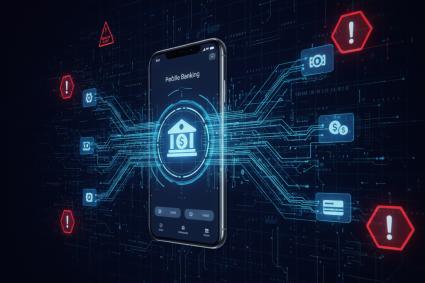
Financial apps like EarnIn offer convenient wage access but require highly sensitive identity and banking data. When a breach occurs, consumers face long-term risks such as fraud and identity theft,...

The Growing Cybersecurity Risks in Revenue Cycle and Collections Firms

Revenue cycle and collections firms hold sensitive financial and personal data, making them prime targets for cybercriminals. The Wakefield & Associates breach highlights these risks, showing how identity theft, fraud,...

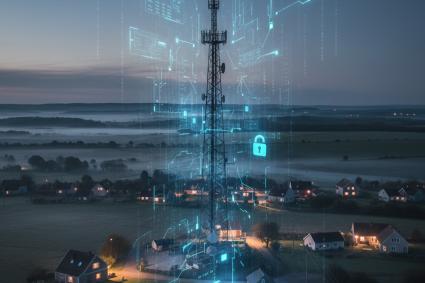
How Data Exposure Affects Rural and Cooperative Telecom Policyholders Differently

Data exposure incidents affect rural and cooperative telecom policyholders uniquely, often leaving them with fewer resources and greater vulnerability to fraud. Because many rely heavily on local telecom providers, a...

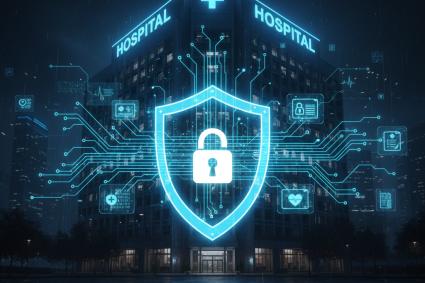
Why Rapid Breach Notification Is Crucial in Healthcare Cyber Incidents

Rapid breach notification is critical in healthcare cyber incidents because delayed disclosure increases the risk of identity theft, medical fraud, and long-term patient harm. Healthcare data is highly sensitive and...

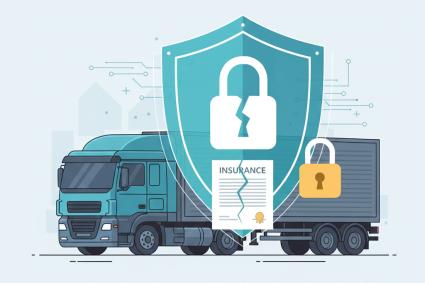
Why Cyber Insurance Alone Cannot Protect Transportation Companies from Liability

Cyber insurance can help transportation and logistics companies manage financial fallout after a cyberattack, but it cannot fully protect them from legal liability or reputational harm. The recent WEL Companies...

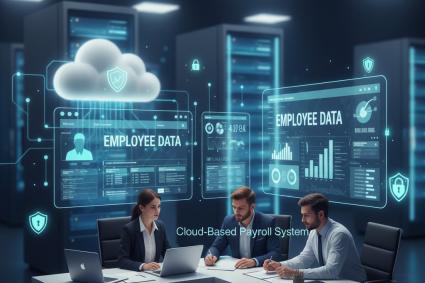
Understanding the Legal Rights of Employees After Workplace-Related Data Exposure

Employee data exposures are rising as companies increasingly depend on third-party vendors to manage sensitive information. A recent incident involving Merck and its service provider Graebel highlights how easily employee...

How Cybercriminals Exploit Identity Data to Commit Business Loan Fraud

Business lending platforms are increasingly targeted by cybercriminals who use stolen identity data, especially Social Security numbers, to commit business loan fraud. With fast approvals and weaker verification measures, attackers...

How Data Extortion Schemes Are Evolving in Targeting Insurance Providers

Data extortion attacks are rapidly increasing across the insurance sector, where cybercriminals now steal sensitive identity and financial records and threaten public exposure unless ransom is paid. The recent California...

Why Social Security Numbers Keep Appearing in Healthcare Breaches—and How...

Healthcare data breaches frequently expose Social Security numbers, putting patients at long-term risk of identity theft and medical fraud. The DHR Health breach highlights how SSNs, combined with personal and...

Data Fragmentation in Healthcare: How Disconnected Systems Create Breach Pathways

Healthcare systems store patient and insurance data across multiple disconnected platforms, creating hidden security gaps. The HCIactive breach highlights how fragmented data flows, weak integrations, and limited visibility make healthcare...