

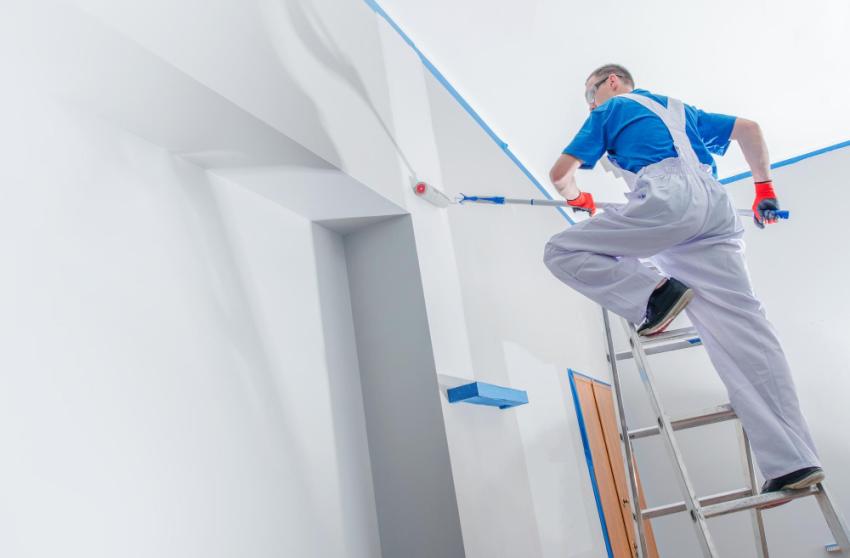
Most business owners repaint a site once every few years, so the language of the trade can feel unfamiliar. Terms like "cut in", "primer" and "two-pack" show up on quotes with no explanation. This beginner's guide explains commercial painting services in Newport in plain terms, so you can brief a painter with confidence and read a quote without guessing.
What counts as commercial painting?
Commercial painting covers any paint work done on a business property. That includes shops, offices, cafes, clinics, warehouses, showrooms and strata common areas. It differs from home painting in three ways.
The surfaces are larger, such as long walls, tall ceilings and big roller doors.
The site stays in use, so timing and noise matter.
The finish must stand up to heavy traffic and frequent cleaning.
Many painters offer both home and business work. The skill set overlaps, but the planning for a business site is more detailed.
The basic stages of a paint job
Every paint job follows the same broad path. Knowing it helps you ask better questions.
Inspection. The painter looks at the surfaces, notes damage and measures the areas.
Preparation. Surfaces are cleaned, sanded, patched and masked. Floors and fittings are covered.
Priming. A primer or sealer is applied to bare, stained or repaired areas so the topcoat sticks.
Painting. Two coats are standard on most walls. Edges are done by brush, which is called cutting in. Large areas are rolled or sprayed.
Inspection and touch-ups. The painter and the owner walk the site and fix small marks.
Clean-up. Covers come off, waste is removed and the site is handed back.
Preparation is usually the longest stage. It is also the one that decides how long the paint lasts.
Interior or exterior: what changes?
Interior paint is made to resist scuffs and wipe clean. Low-odour and low-VOC products are common, which helps when staff or customers are nearby. Exterior paint is made to handle sun, rain and temperature swings. It has to flex slightly as walls expand and shrink.
Inner-west Melbourne has many older brick buildings and mixed commercial strips. Older brick and render can hold moisture and may need extra repair work before painting. A painter should check for damp, peeling and salt marks before quoting. This is where a site visit pays off, and it is one reason owners often start by looking at a local team's page for painting services in Newport and then arranging an inspection.
Finishes in plain English
Finish means how shiny the dried paint looks. It affects how the room feels and how easy it is to clean.
Finish
Look
Common use
Flat or matte
No shine, hides flaws
Ceilings, low-traffic offices
Low sheen
Soft glow
Reception areas, meeting rooms
Semi-gloss
Visible shine, wipes clean
Corridors, trims, doors
Gloss
High shine, very tough
Machinery rooms, metalwork
Pick the finish by use, not by taste alone. A busy hallway in matte paint will mark quickly.
Special coatings you may hear about
Some jobs under the heading of commercial painting services in Newport need more than wall paint. Epoxy floor coatings are used on warehouse and showroom floors because they resist stains, scratches and slips. Spray painting is used on large flat areas and metal items, where it gives an even coat. Roof coatings protect tiles or metal sheets from weather. Fence coatings resist sun and moisture.
If your job includes any of these, ask for them to be listed as separate items on the quote. They have their own prep steps and curing times.
What drives the price?
Price depends on several things, and none of them is a secret. Ask the painter to explain each one.
Total area, including wall height and surface condition
Amount of preparation and repair needed
Number of coats and the paint grade
Access equipment such as scaffolds or lifts
Working hours, since night or weekend work can change the rate
Number of colours and detail work
A very low quote often means thin prep or one coat. A fair quote lists these items so you can compare.
How to brief a painter in five lines
You do not need a technical brief. Write down five things before the first call.
The address and type of building
Which areas are inside and which are outside
Your trading hours and the best times for work
Any colours or brand shades you must match
Your target start and finish dates
With that page in hand, a painter can give a far more accurate estimate. It also shows how well they listen. If they ask follow-up questions about access, parking and staff, that is a good sign.
Planning around your trading hours
Timing is the part first-time clients forget. A painter can often work before opening, after closing or over a weekend. Large sites can be done in sections, so a shop floor or a clinic reception stays usable. Each section is closed off, painted, left to dry and handed back before the next one starts.
Drying time matters too. Paint can feel dry to the touch within hours, but it keeps hardening for days. Ask when it is safe to hang signs, push trolleys against walls or wash the surface. Floors need even more patience, since a coating may need a full day or more before it takes foot traffic.
Weather plays a part outdoors. Rain, wind and very hot days can all delay a job or harm the finish. A sensible painter builds spare days into the schedule and tells you how delays will be handled.
Mistakes first-time clients often make
A few errors come up again and again. They are easy to avoid once you know about them.
Choosing on price alone, without comparing what each quote includes
Skipping a test patch, then disliking the colour on a full wall
Forgetting to tell the painter about alarms, cameras or sensors on the walls
Leaving stock, shelves and equipment in place, which slows the crew
Agreeing to extras by phone without a written change to the quote
Each of these can add days or cost to a job. A short checklist and a written scope remove most of the risk.
Looking after the paint once it is done
New paint lasts longer with simple care. Wait for the full cure time before heavy cleaning. Use a soft cloth and mild soap on washable finishes, and avoid harsh scrubbing pads. Fix chips early, because bare spots let moisture in and spread peeling.
Keep a small record of the paint brand, colour code and finish used on each wall. When a repair is needed later, that record lets the painter match the colour. Many owners also keep a spare tin in a cool, dry store room for small touch-ups.
Checking the paperwork
Ask for licence details and proof of public liability insurance. Ask what warranty applies to the work and what it covers. Get the scope, price and timing in writing. These steps take ten minutes and prevent most disputes.
Where to go from here
Good commercial painting services in Newport start with a clear brief and a clear quote. Learn the stages, know your finishes, and compare quotes item by item. If you do that, the first job will feel far less daunting, and the next one will be easier still.