
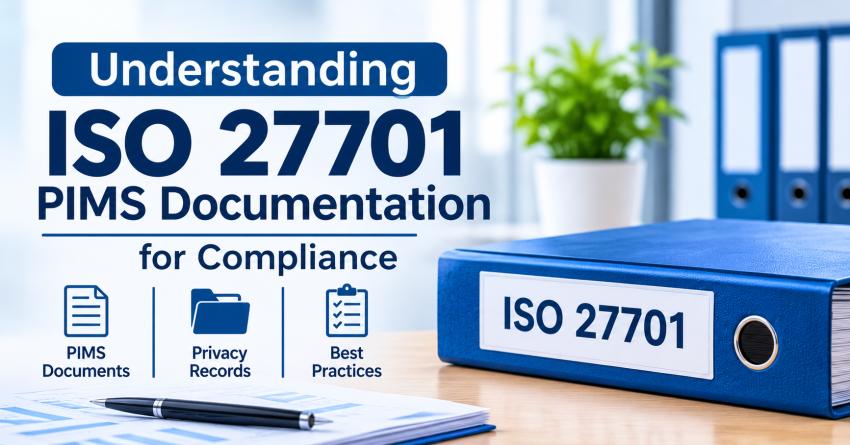
Protecting personal information is an important responsibility for every organisation that collects or processes customer and employee data. Businesses need proper policies, procedures and records to manage this information. ISO 27701 Documentation helps organisations establish a Privacy Information Management System (PIMS) and manage personal data in line with applicable privacy requirements, including GDPR.
What Is ISO 27701 PIMS Documentation?
ISO 27701 PIMS documentation consists of policies, procedures, registers and records that explain how an organisation manages personal information. These documents cover different activities, including data collection, processing, storage, sharing and deletion.
A well-organised documentation system helps employees understand their privacy responsibilities and follow consistent practices. ISO 27701 Documents also support the integration of privacy management with an existing ISO 27001 Information Security Management System (ISMS). This approach allows organisations to address information security and personal data protection through coordinated management processes.
Essential ISO 27701 Documents Required for GDPR Compliance
Organisations need appropriate documents to manage personal information and demonstrate their privacy practices. Some important documents include:
- PIMS Manual: Explains the scope, objectives and structure of the privacy management system.
- Personal Data Protection Policy: Defines rules for collecting, processing and protecting personal information.
- Data Processing Procedures: Describe how personal information is handled during business activities.
- Personal Data Inventory Register: Maintains details about the types of personal information collected and processed.
- Privacy Risk Assessment Records: Identify potential risks and document suitable treatment measures.
- Data Breach Management Procedure: Explains how privacy incidents are reported and managed.
- Data Retention and Disposal Policy: Defines how long personal information is retained and when it should be deleted.
- Data Subject Request Procedure: Describes how requests for accessing, correcting or deleting personal information are handled.
The documentation requirements depend on the organisation’s activities, PIMS scope and applicable privacy obligations.
How ISO 27701 Documentation Supports GDPR Requirements
GDPR requires organisations to follow specific responsibilities when handling personal information. ISO 27701 provides a structured framework to manage privacy-related activities and support these responsibilities.
Proper documentation helps organisations maintain:
- Processing Records: Information about personal data processing activities.
- Consent Records: Evidence of consent where consent is the applicable legal basis.
- Data Retention Records: Information about personal data retention and deletion.
- Supplier Agreements: Documented privacy responsibilities when working with external service providers.
- Incident Records: Details of privacy incidents and actions taken to address them.
Together, these records provide evidence of how privacy-related responsibilities are managed and help organisations maintain accountability. However, ISO 27701 certification alone does not guarantee GDPR compliance.
Best Practices for Maintaining PIMS Documentation
Preparing documents is not enough; organisations must ensure that information remains accurate and relevant. Regular reviews help identify outdated procedures and changes in business activities.
Each ISO 27701 document should have a defined approval process, revision history and responsible person. Access to confidential privacy records should also be limited to authorised employees.
Employee awareness is equally important. Staff members should understand the procedures related to their daily responsibilities, particularly when handling customer information, responding to privacy requests or reporting data breaches.
Maintaining implementation records helps verify that documented procedures are followed. These activities support consistent privacy management and help prepare for internal and external audits.
Conclusion
Organised PIMS documentation helps businesses manage personal information, define privacy responsibilities and support GDPR compliance activities. Maintaining effective ISO 27701 Documentation enables organisations to organise privacy-related policies, procedures, records and formats while establishing consistent privacy management practices.