
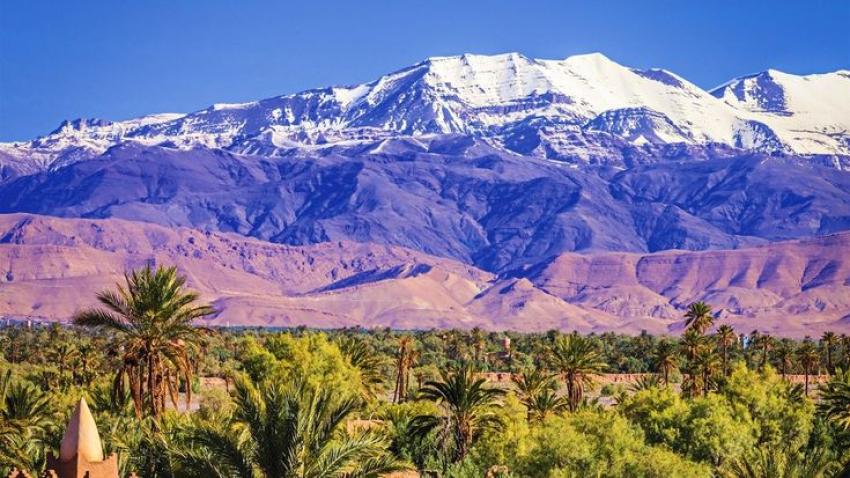
The Atlas Mountains in Morocco offer an unforgettable travel experience, combining breathtaking landscapes, traditional Berber villages, scenic hiking trails, and rich cultural traditions. For first-time visitors, exploring this beautiful region can be exciting, but proper preparation is essential for a comfortable and enjoyable journey.
Whether you are interested in hiking, discovering local communities, photographing mountain scenery, or enjoying a peaceful escape from busy cities, knowing what to expect will make your trip much easier.
From choosing the right season to packing suitable clothing and hiring experienced local guides, several important factors can help you plan a successful adventure. Here are some essential travel tips to consider before starting your journey.
Choose the Best Time to Visit
Selecting the right season is one of the most important decisions when planning your mountain adventure. Weather conditions can change significantly depending on altitude, making some months more suitable for particular activities.
Spring, from March to May, is an excellent time to explore the region. During this period, temperatures are generally pleasant, valleys become greener, and wildflowers add colour to the landscapes.
Autumn, particularly September and October, is another popular season. The weather is often comfortable for walking and hiking, while the scenery offers beautiful photographic opportunities.
Summer can be suitable for high-altitude adventures, although lower valleys may become extremely hot. Winter brings snow to higher elevations, creating opportunities for experienced mountaineers but requiring additional equipment and preparation.
Pack Appropriate Clothing
Atlas Mountains weather can be unpredictable, so packing suitable clothing is essential. Even when temperatures are warm during the day, evenings and early mornings can become surprisingly cold.
Consider bringing:
Comfortable hiking trousers and breathable shirts.
A warm fleece or insulated jacket.
Waterproof clothing for unexpected rain.
Comfortable hiking boots with good grip.
Sunglasses and a sun hat.
Warm socks and lightweight gloves.
Extra clothing for overnight stays.
Layering is particularly useful because it allows you to adjust your clothing as temperatures change throughout the day.
Avoid wearing brand-new hiking boots without testing them first. Comfortable, properly fitted footwear can prevent blisters and make long walking routes much easier.
Hire an Experienced Local Guide
For first-time travellers, hiring a knowledgeable local guide can make a significant difference. Mountain trails may include confusing paths, steep sections, and remote locations where navigation becomes challenging.
Local guides understand the terrain, weather conditions, village routes, and cultural traditions. They can also introduce visitors to interesting places that might otherwise be overlooked.
An experienced guide can help you select suitable walking routes according to your fitness level and available time. They may also explain local customs, traditional farming practices, and the history of surrounding communities.
Before booking, check the guide's experience, services, safety arrangements, and customer reviews.
Start with an Easy Hiking Route
First-time visitors should avoid choosing difficult mountain challenges immediately. Although reaching high peaks can be exciting, demanding routes require physical preparation, suitable equipment, and previous hiking experience.
Instead, begin with shorter walks through valleys, traditional villages, and accessible mountain paths.
The Imlil area is a popular starting point for exploring the surrounding landscapes. Visitors can enjoy scenic walks, discover local settlements, and experience traditional Moroccan hospitality.
Starting with an easier route helps your body adjust to walking at higher elevations while allowing you to enjoy the scenery without unnecessary pressure.
Understand Altitude and Physical Preparation
Walking in mountainous areas can be more demanding than ordinary countryside hiking. Higher elevations, steep climbs, and changing temperatures can affect your energy levels.
Prepare for your journey by including regular walking, stair climbing, and light cardiovascular exercise in your routine.
During your trip, remember to:
· Walk at a comfortable pace.
· Take regular breaks.
· Drink enough water.
· Avoid rushing during steep climbs.
· Listen to your body.
Allow time for acclimatisation before attempting high-altitude routes.
Altitude sickness can cause headaches, nausea, dizziness, and unusual tiredness. If symptoms develop, stop ascending and seek appropriate medical advice. Severe symptoms require urgent descent and medical attention.
Respect Local Culture and Traditions
The region is home to many Amazigh (Berber) communities with distinctive languages, traditions, architecture, and lifestyles. Respecting local customs helps create positive interactions and makes your visit more meaningful.
Dress modestly, particularly when visiting villages and religious sites. Ask permission before photographing residents, especially children.
When invited into someone's home, accept hospitality politely if you feel comfortable. Traditional mint tea is commonly offered to visitors and represents an important part of Moroccan hospitality.
Learning a few basic Arabic or Tamazight greetings can also make communication more enjoyable.
Carry Enough Cash
Although larger towns and tourist destinations may offer card payment facilities, smaller villages and remote mountain communities often operate mainly with cash.
Carry enough Moroccan dirhams to cover everyday expenses, including meals, local transport, refreshments, and small purchases.
Cash can also be useful for tipping guides, drivers, and other service providers. However, keep your money secure and avoid carrying unnecessarily large amounts.
It is advisable to exchange currency in advance or withdraw cash from reliable ATMs before travelling into remote areas.
Stay Hydrated and Eat Properly
Hiking requires energy, especially when travelling through steep terrain or walking for several hours. Proper nutrition and hydration can help prevent exhaustion.
Carry a reusable water bottle and refill it using safe drinking water. Do not assume that untreated mountain streams are suitable for drinking.
Pack lightweight snacks such as nuts, dried fruits, energy bars, and fresh fruit. These can provide convenient energy during longer walks.
You should also try traditional Moroccan meals during your visit. Popular options include tagine, couscous, fresh bread, and mint tea. Local food offers an excellent opportunity to experience the region's culinary traditions.
Why Choose mttoubkaltrek for Your Mountain Adventure?
Planning a mountain journey becomes easier with support from an experienced local trekking provider. mttoubkaltrek can help travellers discover Morocco's mountain landscapes through organised trekking experiences, local knowledge, and opportunities to explore traditional villages.
Whether visitors are interested in scenic walks, cultural experiences, or more challenging adventures, choosing suitable guidance and planning support can make their journey more comfortable and memorable. Travellers should review available itineraries, accommodation arrangements, and included services before booking their experience.
Conclusion
Visiting the Atlas Mountains for the first time can be an exciting opportunity to experience Morocco's natural beauty, traditional communities, and spectacular mountain scenery. However, proper preparation is essential for a safe and enjoyable journey.
Choose the right travel season, pack suitable clothing, hire experienced local guides, and select hiking routes that match your fitness level. Remember to respect local traditions, stay hydrated, carry enough cash, and follow responsible travel practices