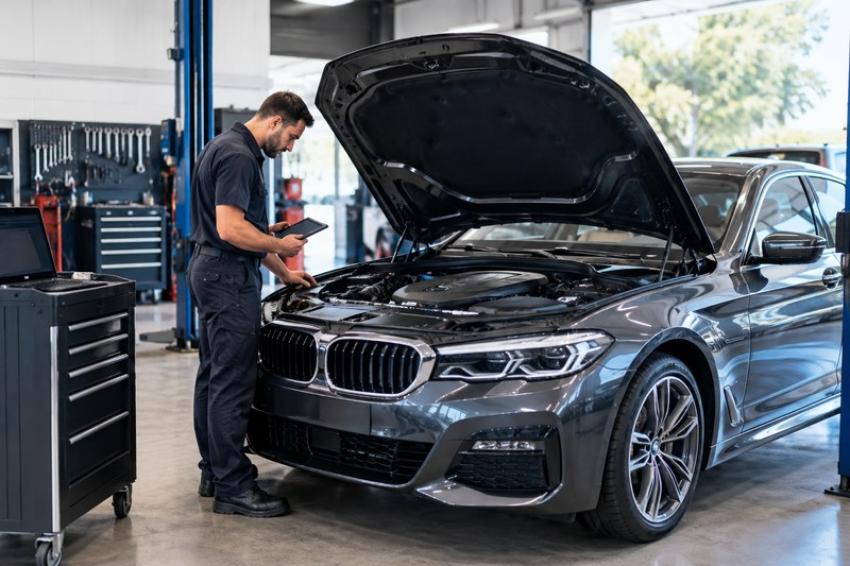
Ever found yourself wondering whether your local mechanic truly understands the intricacies of your BMW, Audi, or Mercedes? Have you questioned if the workshop down the road has the right diagnostic equipment to handle your European vehicle? Are you worried about paying over the odds for a service that doesn't quite hit the mark?
You're certainly not alone. Owning a European car in Australia comes with its fair share of joys and challenges. These vehicles are renowned for their engineering excellence, performance capabilities, and luxurious features. However, they also require specialised care that not every mechanic can provide. Choosing the wrong service centre can lead to costly mistakes, voided warranties, and even long-term damage to your prized vehicle.
In this guide, we'll walk you through the top five tips for finding a reliable European car service that truly understands your vehicle. From checking technician qualifications to understanding pricing structures, we've got you covered. By the end, you'll feel confident about making an informed choice that protects both your car and your wallet. Let's get stuck into it.
Why European Vehicles Are Different from Other Cars
Before we explore our tips, it's worth understanding what makes European cars unique. German, Italian, and British manufacturers design their vehicles with precision engineering that often differs significantly from Japanese or American counterparts.
European cars typically feature more complex electronic systems, specialised components, and advanced technologies that require specific knowledge to service properly. The software alone in modern BMWs or Mercedes vehicles can be incredibly intricate, needing manufacturer-approved diagnostic tools to access and interpret correctly.
This complexity isn't a drawback—it's what gives European vehicles their renowned performance and driving experience. However, it does mean you need a service centre that genuinely knows what they're doing.
Tip 1: Look for Specialist European Car Mechanics
Why Can't Any Mechanic Work on My European Car?
Here's the thing—while a general mechanic might be perfectly capable of changing your oil, European vehicles demand more. These cars have brand-specific quirks, proprietary systems, and engineering philosophies that differ dramatically from other manufacturers.
A technician who primarily works on Holdens or Toyotas simply won't have the hands-on experience needed to diagnose complex issues in your Volkswagen or Porsche. It's a bit like asking a GP to perform heart surgery—they're both doctors, but the specialisation matters enormously.
The Importance of Brand-Specific Training and Certification
When evaluating a service centre, ask about their technicians' qualifications. Have they completed manufacturer training programmes? Do they hold certifications from brands like BMW, Mercedes-Benz, or Audi?
Reputable European car specialists invest heavily in ongoing training. Manufacturers regularly update their vehicles' systems, and mechanics need to stay current with these changes. A workshop that prioritises professional development is one that takes your car's care seriously.
Questions to Ask About Technician Qualifications
Don't be shy about asking direct questions. Enquire how long their technicians have been working specifically on European vehicles. Ask whether they've received factory training and if they attend regular update courses. A confident, reliable workshop will happily answer these questions—they're proud of their expertise.
Tip 2: Check for Genuine Parts and Diagnostic Equipment
Are Genuine Parts Worth the Extra Cost for European Cars?
Absolutely, in most cases. Genuine OEM (Original Equipment Manufacturer) parts are designed specifically for your vehicle. They fit perfectly, perform as expected, and maintain your car's integrity.
While aftermarket parts can seem attractive due to lower prices, they may not meet the same quality standards. For critical components like brakes, suspension parts, or engine components, genuine parts offer peace of mind that's well worth the investment.
Understanding OEM vs Aftermarket Parts for BMW, Audi, and Mercedes
That said, not every aftermarket part is problematic. Some reputable aftermarket manufacturers produce components that match or even exceed OEM specifications. The key is ensuring your service centre uses quality parts, whether genuine or high-grade aftermarket alternatives.
Ask your workshop about their parts sourcing policy. Do they offer genuine parts as standard? Can they explain the differences between options? A trustworthy service centre will be transparent about what goes into your vehicle.
How Modern Diagnostic Tools Protect Your Vehicle's Warranty
Modern European cars are essentially computers on wheels. Generic diagnostic scanners often can't access the full range of systems in vehicles from BMW, Audi, or Mercedes. Manufacturer-specific diagnostic equipment is essential for accurate fault finding and proper servicing.
Plus, using approved diagnostic tools and following manufacturer procedures helps protect your warranty. If something goes wrong, you'll have documentation proving your car was serviced correctly.
Tip 3: Research Reviews and Reputation
How Do I Know If a European Car Service Centre Is Trustworthy?
In today's connected world, researching a business's reputation has never been easier. Start with Google reviews—they offer unfiltered feedback from real customers who've experienced the service firsthand.
Look for patterns in reviews rather than focusing on individual comments. Does the workshop consistently receive praise for communication and quality work? Are there recurring complaints about hidden costs or poor workmanship?
What to Look for in Google Reviews and Testimonials
Pay attention to reviews that specifically mention European vehicles similar to yours. A five-star review from a Toyota owner doesn't tell you much about how they'll handle your Audi. Look for detailed testimonials that describe the customer's experience, the work performed, and the outcome.
Also check how the business responds to negative reviews. A professional, constructive response demonstrates that they take customer feedback seriously and are committed to improvement.
Red Flags That Signal an Unreliable Workshop
Be wary of workshops that promise unrealistically low prices, pressure you into immediate decisions, or can't clearly explain what work needs doing. Other warning signs include reluctance to provide written quotes, lack of clear warranty policies, and poor communication throughout the service process.
Tip 4: Compare Pricing and Transparency
How Much Should a European Car Service Cost in Australia?
European car servicing typically costs more than servicing Japanese or Korean vehicles—that's simply the reality of specialised work. However, prices vary significantly between workshops, so it pays to shop around.
As a rough guide, a standard service for a European vehicle in Australia might range from $350 to $800, depending on the brand, model, and service type required. Major services or those including additional repairs will naturally cost more.
Understanding Fixed-Price Servicing vs Hourly Rates
Some workshops offer fixed-price servicing packages, which provide cost certainty upfront. Others charge hourly rates, which can be advantageous for straightforward jobs but potentially expensive for complex repairs.
Fixed-price servicing works well for routine maintenance where the scope is clearly defined. Hourly rates might be more appropriate for diagnostic work or unusual problems. Ask your chosen workshop to explain their pricing structure clearly.
Why the Cheapest Option Isn't Always the Best Value
We've all heard the saying—buy cheap, buy twice. When it comes to European car servicing, this couldn't be more accurate. A bargain-basement service that uses inferior parts or cuts corners will cost you more in the long run.
Instead of focusing solely on price, consider value. What expertise are you getting? What quality parts are being used? What warranties are included? A slightly higher upfront cost often delivers significantly better long-term outcomes.
Tip 5: Evaluate Customer Service and Communication
What Should I Expect from a Professional Service Experience?
Excellent customer service starts before you even drop off your car. A professional workshop will be responsive to enquiries, provide clear information, and make booking convenient. When you arrive, staff should be welcoming and take time to understand your concerns.
Throughout the service, expect regular updates—especially if additional work is discovered. You should never be surprised by unexpected charges on your final invoice.
The Importance of Clear Quotes and Regular Updates
Always request a written quote before authorising any work. This quote should itemise labour costs, parts, and any additional fees. If the workshop discovers extra problems during the service, they should contact you for approval before proceeding.
Good communication builds trust. A workshop that keeps you informed demonstrates respect for your time and money.
Warranty and Guarantee Policies to Look For
Reputable service centres stand behind their work with clear warranty policies. Ask about guarantees on both parts and labour. What happens if a problem arises shortly after your service? How do they handle warranty claims?
A confident workshop offers robust guarantees because they trust their work quality. Vague or non-existent warranty policies should raise concerns.
Common Mistakes to Avoid When Choosing a European Car Service
Many car owners make the mistake of ignoring manufacturer service schedules. These schedules exist for good reason—following them maintains your vehicle's performance, reliability, and resale value.
Another common error is prioritising convenience over expertise. While the nearest mechanic might be handy, travelling a bit further to a genuine European car specialist is almost always worthwhile.
How Often Should You Service Your European Car?
Most European manufacturers recommend servicing every 12 months or 15,000-20,000 kilometres, whichever comes first. However, some newer models feature condition-based servicing, where the car's onboard computer determines when maintenance is needed.
Check your owner's manual or consult with a specialist for brand-specific recommendations. BMW, Audi, Mercedes, and Volkswagen each have slightly different requirements.
Making the Right Choice for Your European Vehicle
Selecting a reliable European car service doesn't have to feel overwhelming. By following these five tips—seeking specialist mechanics, verifying parts quality, researching reputation, comparing pricing transparently, and evaluating customer service—you'll be well-equipped to make a confident decision.
Remember, your European vehicle represents a significant investment. It deserves care from professionals who understand its unique requirements and take pride in their work. Taking time to find the right service centre now will save you money, stress, and headaches down the track.
So, don't settle for second best. Do your research, ask the right questions, and choose a trusted European car service in Mount Eliza that treats your car with the respect it deserves. Your BMW, Audi, or Mercedes will thank you for it—and so will your wallet in the long run.