Sending a parcel abroad feels simple until you actually start packing it. You open a box, look at your things, and wonder: will this survive a flight? Will customs hold it up? Will it even arrive in one piece?
If you're looking for a courier service to the Philippines from India, good packing is where most shipping problems either start or get avoided. This guide walks you through what to check, how to pack, what things cost, and how to avoid the common mistakes people make.
Why International Shipping Needs a Bit of Planning
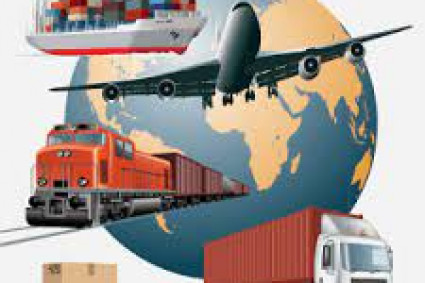
A parcel going from Mumbai to Manila doesn't just sit in one truck the whole way. It gets picked up, scanned, loaded onto a flight, cleared through customs, and handed to a local delivery team in the Philippines. Each step involves handling, and handling means bumps, stacking, and sometimes rough weather.
A parcel that's packed loosely or in a weak box may survive a local delivery. It often won't survive five or six handovers across two countries. That's why a little extra care at the start saves a lot of trouble later.
What to Check Before You Send a Parcel to the Philippines
Before you even open a box, check these three things.
Weight and Size
Courier charges are based on either the actual weight of your parcel or its volumetric weight, whichever is higher. Volumetric weight is calculated from the size of the box, not just what's inside it. A large, light box can sometimes cost more to ship than a small, heavy one. Weighing and measuring your parcel before packing helps you avoid surprises later.
What You're Allowed to Send
Some items simply cannot be shipped internationally. Common examples include currency, jewellery and precious stones, liquids and chemicals, poisons, and anything explosive or flammable. Since rules can change and vary depending on what's inside the parcel, it's worth checking Atlantic's list of prohibited and restricted items for international courier shipping before you pack anything you're unsure about.
The Value You're Declaring
You'll need to declare the value of what's inside your parcel. This isn't just a formality. Customs officers in the Philippines use it to work out any import duty, and it also affects insurance if something goes wrong. Under-declaring to save money can lead to delays or even the parcel being held.
Packaging Guidelines: How to Pack Your Parcel Properly
This is the part that actually protects your shipment.
Pick the Right Box
Use a corrugated cardboard box that's still firm, not a soft or reused box that has already been crushed once. Leave about 2 to 3 inches of space around each item so you have room to add cushioning. A box that's too tight leaves no room for padding, and a box that's too loose lets things shift around during transit.
Cushion Everything Properly
Fragile items need the most attention. Wrap each item separately in bubble wrap, then fill any empty gaps in the box with packing paper, foam, or air pillows. Nothing should be able to move if you gently shake the box. For anything breakable, double-boxing (a smaller box packed inside a bigger one, with padding between the two) gives extra protection.
If packing well feels like a hassle, this is one area where using a courier's packing service helps. Atlantic offers a free packaging service with high-quality packaging and cushioning material, so you don't have to source materials yourself.
Seal and Label the Box Clearly
Use strong packing tape across all the seams of the box, not just the top flap. Write or print the sender's and receiver's full address clearly, including the postal code and a working phone number for the recipient in the Philippines. Keep a copy of the tracking number and receipt somewhere safe, just in case you need it later.
Documents Go on the Outside Too
Customs paperwork, like the invoice or a packing list, is usually attached to the outside of the box in a clear pouch, not sealed inside with the goods. This lets customs officers check the contents without opening the parcel.
Understanding Courier Charges From India to the Philippines
Courier charges from India depend on a few things:
- Weight – actual weight or volumetric weight, whichever is higher
- Destination – shipping within Southeast Asia is usually faster and cheaper than shipping to farther regions
- Service type – standard delivery, express delivery, air freight, or sea freight
- Add-ons – insurance, special handling, or priority processing
Because rates change based on these factors, it's more accurate to check a rate calculator with your parcel's actual weight and destination PIN code than to rely on a flat number.
Customs and Documents You'll Need
Every international shipment needs some paperwork. For most personal parcels, this includes an invoice describing the contents and their value, and sometimes an ID for KYC purposes. Business shipments may also need an export declaration or HS code for the items being sent. Getting this right the first time avoids delays at customs in both India and the Philippines. If you're unsure what applies to your shipment, a documents required for customs clearance checklist is a useful starting point.
Choosing the Right Courier Service to the Philippines
Not every parcel needs the same kind of service. Documents and light packages usually move fastest by air courier. Bulk shipments, like a small business sending stock or inventory, might be more cost-effective by sea freight, even though it takes longer. If you're a student moving abroad, there are courier options built specifically for baggage and personal belongings rather than commercial goods.
Tracking Your Shipment
Once your parcel is booked, you'll get an AWB (Air Waybill) number. This number lets you follow the shipment from pickup in India, through export clearance, to final delivery in the Philippines. Most couriers, including Atlantic, offer an online tracking system that gives quick, up-to-date information about your parcel, so you're not left guessing where things stand.
Common Mistakes to Avoid
- Packing fragile items with no cushioning between them
- Writing an incomplete or unclear delivery address
- Declaring an inaccurate value for the contents
- Not checking whether an item is restricted before shipping it
- Skipping insurance on valuable or fragile shipments
- Waiting until the last minute to book, especially around festivals or holidays
A Few Practical Tips for Smoother Shipping
- Photograph your parcel's contents before sealing the box, in case you need proof later.
- Keep your tracking number somewhere easy to find
- Ask the recipient to confirm their address format, since Philippine addresses sometimes include a barangay that's easy to miss
- If you're shipping regularly, ask about bulk or business rates instead of paying per parcel.
When Professional Courier Support Helps
If you're sending something valuable, fragile, or you're simply new to international shipping, using an established courier service takes a lot of the guesswork out. From packaging to customs paperwork to tracking, having support at each step reduces the chance of delays. This is especially useful for first-time senders or businesses shipping regularly to the Philippines.
Final Thoughts
Good packing isn't complicated, but it does take a few extra minutes of attention. Check what you're allowed to send, use a sturdy box, cushion your items properly, and label everything clearly. Whether you're sending a gift to family, documents for work, or products for a small business, taking these steps makes it far more likely your parcel to the Philippines arrives exactly as it left.
If you'd rather not handle the packing and paperwork alone, Atlantic International Express offers pickup, packaging, and tracking support for shipments from India, which can make the whole process a lot less stressful.
FAQ’s
1. How long does sending a courier from India to the Philippines usually take?
Transit time depends on the service type and customs clearance, but most Southeast Asian destinations, including the Philippines, are among the faster international routes from India.
2. What items cannot be sent to the Philippines by courier?
Items like currency, jewellery, liquids, chemicals, and anything explosive or hazardous are generally not allowed. Always check the current restricted items list before packing.
3. Do I need to pack the parcel myself?
No. Many couriers offer packaging support, so you can hand over your items without worrying about sourcing boxes or padding.
4. How are courier charges from India to the Philippines calculated?
Charges are based on weight (actual or volumetric), destination, and the type of service you choose, such as standard or express delivery.