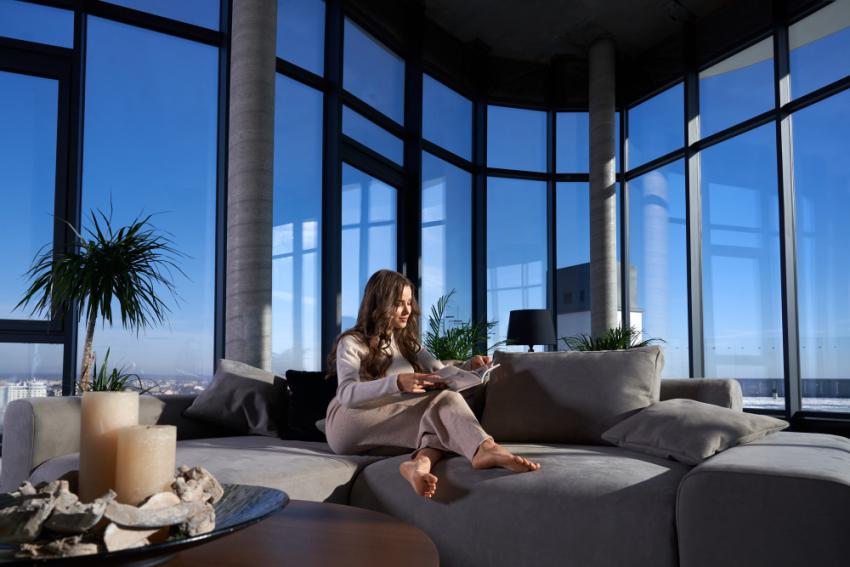
Windows bring sunlight into your home and make rooms feel bright. But they can also let in a lot of heat. On hot days, sunlight passes through the glass and warms your floors, walls, and furniture. This can make some rooms feel much warmer than others.
This problem is common in places with long, sunny summers. For local homeowners in Houston, Texas, house window tinting in Houston can help reduce heat without the high cost of new windows. Window film works with your current glass. It can block some of the sun's heat while still letting natural light into your home.
Why Does Heat Come Through Your Windows?
Sunlight carries heat into your home through the glass. Once sunlight reaches your floors, walls, and furniture, these surfaces start to warm up. That heat can then spread through the room.
Large windows can let in even more heat. Windows that face the strong afternoon sun can also make a room warmer. Your air conditioner may need to run longer to keep these spaces cool.
Residential window tinting can help control this heat before too much of it enters your living space.
Add Window Film to Reduce Heat
How Does Window Film Help?
Window film is a thin layer placed on your existing glass. It is made to reduce the amount of solar heat that enters your home.
Quality film can reject unwanted heat while still allowing daylight through. This makes house window tinting a useful choice for bedrooms, living rooms, kitchens, and home offices.
You also do not have to keep your curtains closed all day. You can still enjoy sunlight and outdoor views while making the room more comfortable.
Choose the Right Window Film
There are many types of window film. Some are made mainly for heat control. Others can help with glare, privacy, and UV protection.
Professional window tinting for houses gives you choices based on your needs. The best film can depend on your window type, how much sun the room gets, and how you want the glass to look.
Use Curtains, Blinds, and Shades
Curtains and shades are another simple way to reduce heat. Closing them when the sun is strongest can stop some sunlight from warming your room.
Light-colored curtains can reflect some sunlight. Cellular shades can also create a layer between the hot window and your room.
Curtains alone may make your home feel dark. Using them with residential window tinting can give you more control over both heat and natural light.
Seal Small Gaps Around Windows
Sometimes heat does not come through the glass. Hot outdoor air may enter through small cracks around your window frames.
Look for damaged caulk, worn seals, or small gaps around each window. Sealing these areas can keep hot air outside. It can also help stop cool indoor air from escaping.
This simple step can work well with house window tinting. Both methods can help keep the temperature inside your home more steady.
Add Shade Outside Your Home
Stop Sunlight Before It Hits the Window
Outdoor shade can help keep windows cooler. Trees, awnings, covered patios, and outdoor shades can block direct sunlight before it reaches the glass.
This can be very useful for west-facing windows. These windows often get strong sunlight during the hottest part of the afternoon.
Outdoor shade is not possible for every window. In these areas, window tinting for houses can be a simple way to manage heat without making major changes to your home.
Reduce UV Rays Inside Your Home
Sunlight can cause more than heat. UV rays can also damage items inside your home over time.
Strong sunlight may fade floors, rugs, curtains, furniture, photos, and artwork. The damage can happen slowly, so you may not notice it right away.
Quality residential window tinting can reduce UV exposure. It can help protect your home's interior while also making sunny rooms feel more comfortable.
Start With the Hottest Rooms
You may not need to treat every window at the same time. First, find the rooms that become the hottest during the day.
Look closely at large windows, glass doors, skylights, and windows that receive strong afternoon sun. These areas may let more solar heat into your home.
A professional installer can check your glass and sun exposure. They can then suggest a window film that fits the needs of each room.
Conclusion
You do not always need new windows to make your home cooler. Window film, curtains, outdoor shade, and better window seals can all reduce unwanted heat. For homes exposed to strong Texas sunshine, house window tinting in Houston can help improve comfort while allowing you to keep your existing windows.
If you are looking for residential window tinting in Houston, TX, Green house Solar Control can help you choose the right film for your home. A good window film can reduce solar heat, control glare, limit UV exposure, and help create a cooler and more comfortable living space.