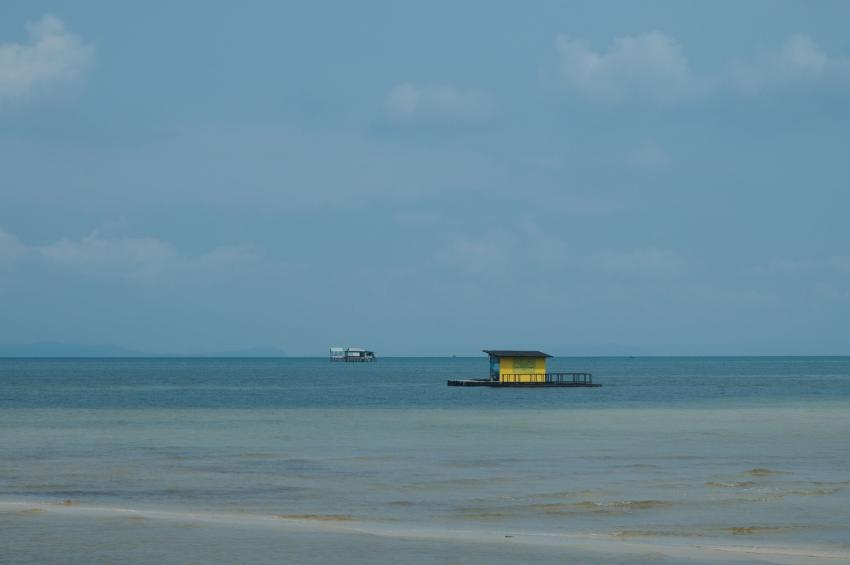
Off the southwestern coast of Vietnam, Phu Quoc has quietly transformed from a sleepy fishing outpost into one of Southeast Asia's top beach escapes. Spending a week here gives you just enough time to slow down, explore the clear waters, and eat your way through local night markets without feeling rushed. If you are looking to book a 7 days Phu Quoc tour package, knowing how to split your time between the quieter north and the active south can make or break your trip.
1. Finding the Best Time to Visit
Phu Quoc experiences two distinct seasons, driven by the tropical monsoon climate. Getting your timing right ensures you spend more time on the sand and less time waiting out downpours.
Dry Season (November to April): Expect clear blue skies, calm seas, and temperatures around 28°C to 31°C. This is peak travel season, so popular spots like Sao Beach will see higher foot traffic and hotel prices climb.
Transition Months (May and October): You might run into short afternoon showers, but humidity remains reasonable and hotel deals are easier to find.
Wet Season (June to September): The monsoons bring heavy rain, rough seas, and limited visibility for underwater activities. Several boat tour operators pause their trips during these months due to high waves.
2. Navigating the Island: North vs. South vs. Central
Phu Quoc is surprisingly large, taking over an hour to drive from the northern tip down to the southern port. Knowing where to base yourself helps avoid endless driving.
Duong Dong (Central)
This is the island’s main hub. Staying near Duong Dong puts you close to the airport, long stretches of public beach, and the energetic evening food stalls. It works best if you want easy access to local restaurants and shops.
The Southern Coast (An Thoi & Sunset Town)
The south is home to the famous Hon Thom Cable Car and major resort compounds. It serves as the main launchpad for island hopping tours around the An Thoi Archipelago.
The Quiet North (Ganh Dau)
Up north, the vibe is far more relaxed. It features expansive resorts, national park hiking trails, and attractions like VinWonders and Grand World Phu Quoc.
3. Key Highlights You Shouldn't Rush
A well-structured Phu Quoc travel itinerary balances planned excursions with unplanned beach downtime.
+-------------------+--------------------------------------------+ | Highlight | What to Expect | +-------------------+--------------------------------------------+ | Hon Thom Cable Car| Record-breaking sea view ride to Pineapple | | | Island with panoramic ocean scenery. | +-------------------+--------------------------------------------+ | Island Hopping | Speedboat trips to Gam Ghi, May Rut, and | | | Buong islands for snorkeling. | +-------------------+--------------------------------------------+ | Night Markets | Fresh seafood grilled to order, coconut | | | ice cream, and local pepper stalls. | +-------------------+--------------------------------------------+
Taking the cable car across the sea is worth every minute. The view over the colorful wooden fishing boats clustered around An Thoi port is easily one of the best photo spots on the island.
4. Food, Local Specialties, and Dining Etiquette
Phu Quoc is world-renowned within Vietnam for two main exports: black pepper and high-grade fish sauce (nuoc mam).
At the night markets in Duong Dong, seafood stalls display the daily catch on ice. You select your fish, prawns, or sea urchins by weight and choose how you want them prepared—usually grilled with green chili salt or garlic butter.
Local Insight: For lunch, skip the resort restaurants and order a bowl of Bun Quay (stirring noodles). You mix your own dipping sauce using lime, chili, salt, and sugar while the cooks prepare fresh noodle batter right in front of you.
5. Typical Expenses and Smart Budgeting
While Phu Quoc caters well to high-end resort travelers, day-to-day spending on food and activities can stay quite modest if you plan carefully.
Expense CategoryMid-Range Estimate (Per Day)Budget Tips
Accommodation$45 – $90 USD per nightLook for boutique stays around Long Beach.
Local Transport$12 – $20 USDRenting a automatic scooter is cheapest; Grab taxis work in main town areas.
Food & Drink$15 – $30 USDEat breakfasts at local noodle shops and dine at night market stalls.
Day Excursions$35 – $60 USDGroup island-hopping tours cost significantly less than private charters.
Keep cash on hand. While mid-range hotels and organized restaurants accept major credit cards, small street vendors, taxi drivers, and local beach bar staff rely strictly on Vietnamese Dong.
6. Common Mistakes to Avoid
Relying on public buses: While a few shuttle routes exist between major resort complexes, public transit is limited. Renting a scooter or using ride-hailing apps gives you far more freedom.
Visiting Starfish Beach at the wrong time: Starfish Beach (Rach Vem) is famous for wild red starfish resting in shallow waters, but accessibility depends heavily on monsoon currents. Wet season weather washes debris ashore and makes access roads muddy and unpaved.
Packing only beachwear: Respectful dress (covering shoulders and knees) is required when visiting local temples like Dinh Cau or Ho Quoc Pagoda.
Making the Most of Your Island Escape
A seven-day stay provides the perfect rhythm. You can spend your first few days riding the cable car, sampling fresh seafood, and visiting pepper farms, then spend your final days relaxing on quiet sands. Focus on packages that cover seamless airport transfers and island-hopping logistics, but leave enough open time for you to discover your own favorite spots along the coast.