Sunblock is one of the most important products in a daily skincare routine, especially for people who regularly experience strong sunlight. With many sunscreen products available today, consumers often compare different SPF ratings and wonder whether a higher number automatically means better protection. SPF 50 and SPF 90 are two examples that can create confusion.
SPF stands for Sun Protection Factor and primarily measures protection against UVB radiation, the type of ultraviolet radiation strongly associated with sunburn. A higher SPF generally provides greater UVB protection, but the difference between SPF 50 and SPF 90 is not as dramatic as the numbers may suggest. More importantly, sunscreen should provide broad-spectrum protection against both UVA and UVB rays.
What Does SPF Mean?
SPF is a measurement used to describe how well a sunscreen protects the skin against sunburn caused primarily by UVB radiation. It is based on the amount of UV exposure required to produce sunburn on protected skin compared with unprotected skin.
One common misunderstanding is that SPF represents the number of hours you can stay in the sun. For example, SPF 50 does not mean you can stay outside 50 times longer without protection. SPF is related to UV exposure under testing conditions, not simply time.
This distinction is important because sunscreen can wear away through sweating, swimming, rubbing, and everyday activity.
What Is SPF 50?
SPF 50 is considered a high level of sunburn protection. The American Academy of Dermatology recommends using a sunscreen with SPF 30 or higher, broad-spectrum protection, and water resistance.
SPF 50 can be a practical choice for everyday use because it provides strong UVB protection when applied correctly. However, the protection you actually receive depends on factors such as the amount applied, how evenly it is spread, whether it is reapplied, and the amount of sun exposure.
Therefore, simply selecting SPF 50 does not eliminate the need for proper application.
What Is SPF 90?
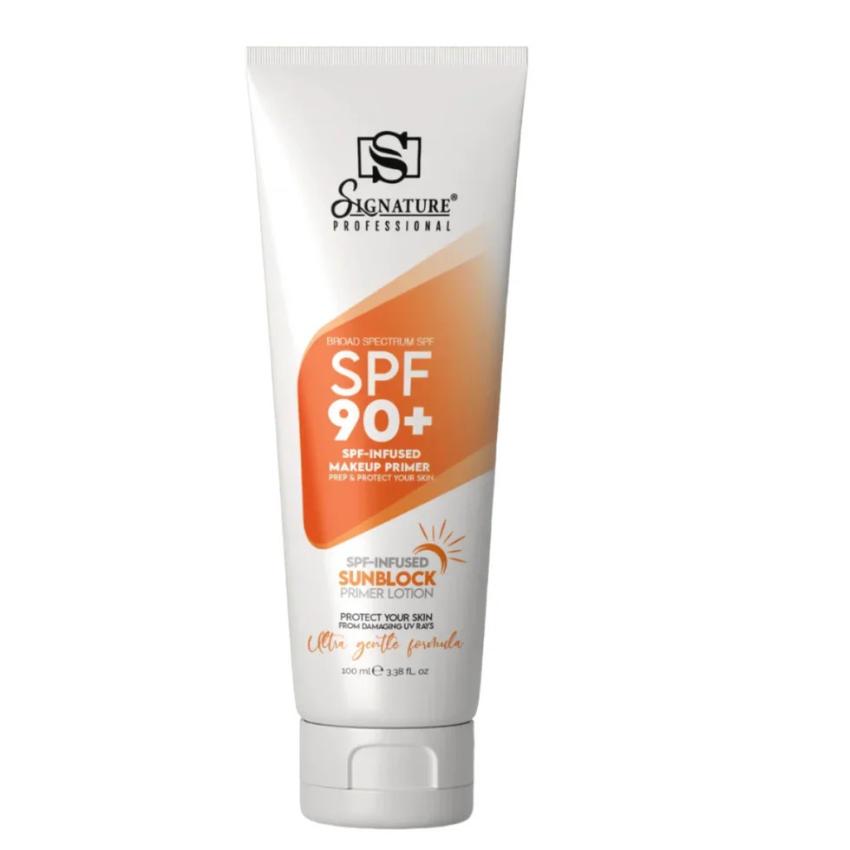
SPF 90 is a very high SPF rating intended to provide a high level of protection against UVB radiation. Products carrying such a rating are available in some markets, although SPF labeling rules and standards can differ between countries.
It is important to remember that SPF 90 does not mean 90 times more protection than SPF 1, nor does it mean that 90% of all UV radiation is blocked. SPF values do not work as a simple percentage scale.
The FDA has also noted regulatory concerns about very high SPF claims. Its proposed sunscreen rules have considered limits on labeled SPF values because evidence does not necessarily show that increasingly high SPF numbers provide proportionally greater real-world benefit.
Is SPF 90 Better Than SPF 50?
The answer depends on what you mean by "better." SPF 90 has a higher labeled SPF and can provide a higher level of UVB protection under standardized testing. However, that does not mean it is dramatically better in everyday use than a well-formulated SPF 50.
In real-world skincare, application technique, adequate product quantity, reapplication, broad-spectrum coverage, and water resistance can be just as important as the SPF rating.
A person who applies SPF 90 very thinly and never reapplies may receive less protection than someone who correctly applies and reapplies an SPF 50 product.
SPF 50 vs. SPF 90: Understanding the Difference
The main difference between SPF 50 and SPF 90 is their labeled level of UVB protection.
SPF 50 already provides a very high level of protection when correctly applied. Moving to SPF 90 increases the labeled SPF rating, but it does not represent a proportional increase in protection.
This is why dermatologists generally emphasize SPF 30 or higher rather than telling consumers that they must always select the highest possible number. The AAD recommends focusing on three key features: SPF 30 or higher, broad-spectrum protection, and water resistance.
Why Broad-Spectrum Protection Matters More Than SPF Alone
SPF primarily measures UVB protection. However, sunlight also contains UVA radiation, which is associated with premature skin aging and contributes to other forms of UV-related skin damage.
Broad-spectrum sunscreen is designed to protect against both UVA and UVB radiation. Therefore, when comparing an SPF 50 product with an SPF 90 product, checking whether both offer broad-spectrum protection is essential.
An SPF number alone cannot tell you the complete protection profile of a sunscreen.
Does SPF 90 Provide Better Protection Against Sunburn?
A properly tested SPF 90 product can provide a higher level of labeled UVB protection than SPF 50. This may be useful for people who want very high SPF protection, particularly when they are regularly exposed to strong sunlight.
However, no sunscreen blocks 100% of UV radiation. Even a very high SPF product should be used as part of a broader sun-protection strategy.
Seeking shade, wearing protective clothing, using sunglasses, and limiting direct exposure during periods of intense sunlight can provide additional protection.
Does Higher SPF Mean Longer Protection?
No. This is one of the most important things to understand about SPF 90.
A higher SPF does not mean you can stay outdoors for longer without reapplying sunscreen. Sunscreen gradually wears off because of sweating, swimming, rubbing, and normal movement.
The FDA specifically explains that SPF does not indicate how long a person can stay in the sun without getting sunburned.
Therefore, even when using SPF 90, follow the product's application and reapplication instructions.
How Much Sunblock Should You Apply?
Using enough sunscreen is essential. Applying a very small amount of SPF 90 can significantly reduce the protection you actually receive compared with the protection demonstrated during testing.
Apply sunscreen generously to all exposed skin before going outside. Pay attention to commonly forgotten areas such as the ears, neck, hands, and hairline.
If you are spending extended time outdoors, reapply according to the product's instructions and after activities such as swimming or heavy sweating.
Which Is Better for Daily Use?
For most people, the better choice is not necessarily the product with the highest SPF. Instead, look for a sunscreen that provides broad-spectrum protection, has an appropriate SPF, feels comfortable on your skin, and is easy to apply consistently.
SPF 50 can be an excellent everyday option when it meets these criteria. SPF 90 may appeal to consumers who prefer a very high SPF rating, provided the product is appropriately formulated and meets applicable standards.
The best sunscreen is ultimately one that you use correctly and consistently.
Is SPF 90 Suitable for Pakistani Weather?
Pakistan experiences periods of intense sunlight, and people may spend considerable time outdoors for work, commuting, shopping, travel, or other daily activities. This makes regular sun protection an important skincare habit.
An SPF 90 product may be considered by people seeking a very high level of labeled UVB protection. However, climate alone does not mean that a person can rely solely on a high SPF number.
Broad-spectrum coverage, proper application, reapplication, shade, and protective clothing remain important parts of sun protection.
How Signature Professional Can Fit Into Your Routine
Signature Professional can be incorporated into a daily skincare routine where sun protection is treated as an essential step. When choosing a sunblock, consumers should consider their skin type, daily exposure, product texture, SPF rating, and broad-spectrum protection.
Whether you choose SPF 50 or SPF 90, consistency is essential. Applying sunscreen only during vacations or extremely sunny days leaves many everyday exposures unprotected.
Common SPF Mistakes to Avoid
Several mistakes can reduce the effectiveness of any sunscreen. Applying too little, forgetting areas such as the ears and neck, failing to reapply, and assuming a high SPF provides unlimited protection are common problems.
Another mistake is focusing entirely on the SPF number. A product with a very high SPF is not automatically the best choice if it does not provide broad-spectrum protection or if its texture makes you unwilling to use it regularly.
Conclusion
So, is SPF 90 better than SPF 50? SPF 90 has a higher labeled SPF and can provide a higher level of UVB protection under testing conditions, but the difference should not be interpreted as SPF 90 being dramatically more protective than SPF 50 in everyday life. Proper application, sufficient quantity, regular reapplication, broad-spectrum UVA/UVB protection, and other sun-safety measures remain essential.
Signature Professional can be part of a consistent skincare routine focused on daily sun protection. If you are searching for the Best SPF 90 Sunblock in Pakistan, look beyond the SPF number and consider broad-spectrum protection, skin compatibility, application requirements, and water resistance. Choosing a suitable product and using it consistently is more important than simply selecting the highest SPF available.