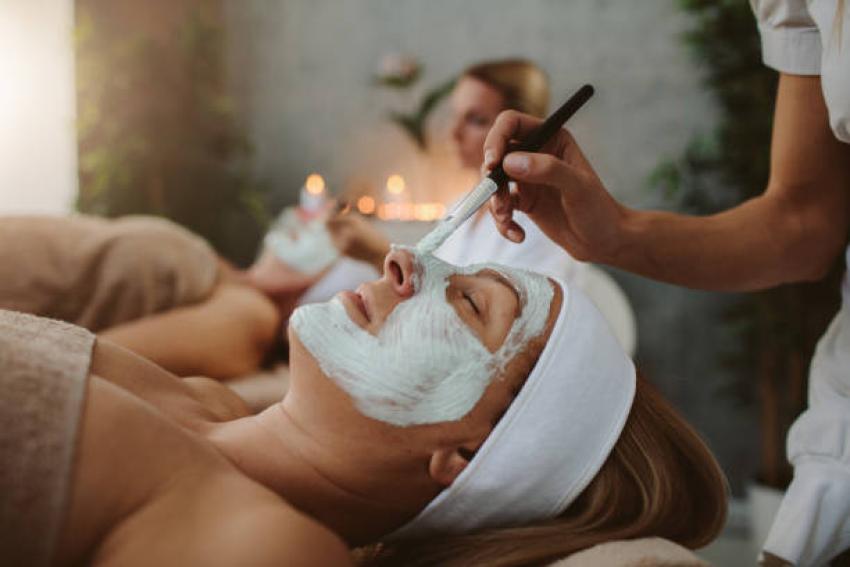
A lot of people spend weeks, sometimes months, thinking about booking a facial before they actually do it. Not because they don't want one. It's usually because they don't know what's going to happen once they're lying on that table. Will it hurt? What are they putting on your face? Is it just a glorified moisturizing session? Those are fair questions. If you're somewhere around your 30s or 40s and starting to notice fine lines, dullness, or skin that just doesn't bounce back the way it used to, an Anti aging facial in San Diego, CA might be worth a real look. This article walks you through the whole thing, start to finish, so you know exactly what you're signing up for.
How the Session Actually Starts
You don't just walk in and get product slapped on your face. Most estheticians start with a skin consultation. They'll look at your skin under a magnifying lamp, ask about your routine, and check for things like sun damage, dehydration, or areas where you're losing firmness. It takes maybe five to ten minutes. But it matters a lot, because it shapes everything that comes after.
From there, the first hands-on step is cleansing. Double cleansing is pretty common, where they remove surface makeup and buildup with one product, then use a second, gentler cleanser to prep the skin properly. Your skin needs to be genuinely clean before anything else goes on it. Skipping this step would make the rest of the treatment far less effective.
Exfoliation and Why It Comes Before Everything Else
After cleansing, exfoliation is usually next. This is where dead skin cells get cleared away so that serums and actives can actually absorb instead of just sitting on top of a layer of buildup. Some treatments use a light chemical exfoliant. Others use a gentle enzyme peel. The type depends on your skin's condition and what the esthetician thinks it can handle that day.
This step can involve a mild tingling sensation, especially if you've never had a chemical exfoliant applied before. Nothing dramatic. Most people find it pretty tolerable, and it only lasts a minute or two. After exfoliation, your skin is genuinely primed and ready for the active ingredients that follow.
The Ingredients That Do the Real Work
Here's where things get interesting. Anti-aging facials aren't just about relaxation. They deliver specific ingredients that your everyday routine probably can't match in terms of concentration or application technique. The most common ones you'll run into are retinol, hyaluronic acid, peptides, and vitamin C, and each one does something different.
Retinol speeds up cell turnover and helps soften fine lines over time. Hyaluronic acid pulls moisture into the skin and gives it that plumped-up look you notice immediately after a treatment. Peptides work on a deeper level, signaling the skin to produce more collagen, which is the protein responsible for firmness and structure. You can read more about how collagen production changes with age on the Wikipedia page on collagen, which breaks down the science pretty clearly. Vitamin C targets uneven tone and brightens dull skin. Most anti-aging facials use a combination of these, layered in a specific order so they actually work together instead of canceling each other out.
The esthetician applies these as serums, usually after exfoliation. Some are massaged in. Others are left on for a set period. It's methodical, not random, and that's exactly why professional application tends to outperform what most people can replicate at home.
Massage and Mask Application
Facial massage is a step a lot of people don't expect to love as much as they do. It's not just relaxing, though it is that. Massage improves circulation, which brings more blood flow to the surface and gives skin a healthier color and glow immediately after the session. Some techniques also focus on lymphatic drainage, which helps reduce puffiness, especially around the eyes and jawline.
If you're considering facials for anti-aging in San Diego, CA, you'll likely find that most treatments include some form of targeted massage around the forehead, cheeks, and neck where tension and early sagging tend to show up first. After the massage, a mask goes on. The type varies. Firming masks often contain peptides or collagen. Brightening masks might use vitamin C or niacinamide. Hydrating masks almost always include hyaluronic acid. The mask sits for ten to fifteen minutes while you just... rest. Honestly, that part's pretty great.
After the mask comes off, the esthetician applies a toner, followed by a moisturizer and SPF. That last step isn't optional. Freshly treated skin is more sensitive to UV exposure, so sun protection is non-negotiable at the end of any facial. Bonnie Cruz Esthetics is one place in the San Diego area that's known for finishing treatments with this kind of proper post-care protocol, which matters more than most people realize.
What You'll Notice Right Away vs. What Takes Time
Right after your facial, you'll probably notice your skin looks brighter and feels smoother. That's real. Some people describe it as their skin looking "awake" in a way it hasn't in a while. The glow from improved circulation and fresh hydration is immediate. Don't be surprised if your pores also look a bit more refined.
But the deeper stuff takes longer. Collagen remodeling doesn't happen overnight. Cell turnover takes weeks. The real improvements in firmness, tone, and line reduction build over multiple sessions, not after just one. Most estheticians recommend starting with a series of facials for anti-aging in San Diego, CA spaced about four weeks apart, then shifting to monthly maintenance once you've built some momentum. Consistency is what actually moves the needle. One session is a good start, but it's not a full answer.
How Often Should You Go
The standard recommendation is once a month. Your skin's natural cell cycle runs roughly 28 to 30 days, so scheduling around that rhythm makes sense. Going more frequently doesn't necessarily speed things up. Going less frequently means you lose the cumulative benefit you built from the last session.
That said, it depends on your skin's condition and what you're trying to address. Someone dealing with significant sun damage or deeper lines might start with closer spacing. Someone with relatively healthy skin who just wants to maintain a good baseline might be fine with every six weeks. Your esthetician will tell you honestly what makes sense for your situation. And if they don't bring it up, ask. It's a completely normal question.
Frequently Asked Questions
Does an anti-aging facial hurt?
Generally, no. You might feel a mild tingling during exfoliation or when certain actives are applied, but it's not painful. If something feels uncomfortable, tell your esthetician. They can adjust the products or timing.
How long does a session take?
Most anti-aging facials run between 60 and 90 minutes. The consultation at the start adds a bit of time on top of that, especially if it's your first visit.
Can I wear makeup right after?
It's better if you don't, at least for the rest of that day. Your skin will be freshly treated and a little more reactive than usual. Giving it a few hours to settle is worth it. Most people say their skin looks good enough that they don't feel like they need makeup anyway.
What's the difference between a regular facial and an anti-aging facial?
A regular facial focuses on general skin health, hydration, and cleansing. An anti-aging facial uses specific ingredients and techniques targeted at concerns like fine lines, loss of firmness, and uneven tone. The product selection and the goals are different, even if some of the steps look similar from the outside.
Is one session enough to see results?
You'll see some immediate improvement in brightness and texture after a single session. But lasting, visible changes to things like firmness and line depth take a series of treatments. Think of it less like a one-time fix and more like building a habit that pays off over time. The Anti aging facial in San Diego, CA space has plenty of options for building out a consistent treatment plan that fits your schedule and budget.