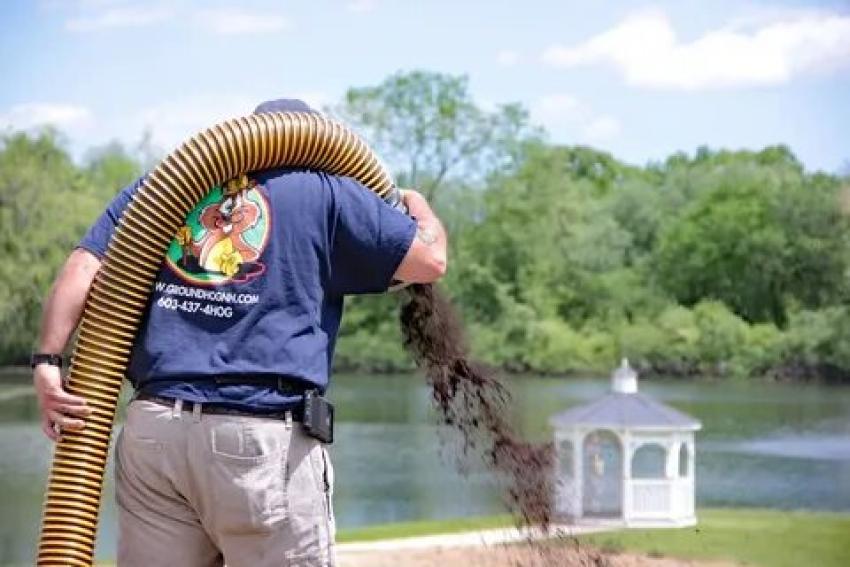
Bark blowing sounds simple enough. A truck pulls up, a hose goes out, and suddenly your beds look great. But a lot of homeowners find out the hard way that showing up unprepared costs them. The crew can't get their hose around a pile of garden tools. Bark ends up buried under an old tarp. A freshly planted seedling gets blasted sideways. If you've booked the Best Bark Blowing Service in Oregon and you want the job done right, a little prep work on your end makes a bigger difference than most people realize. This guide walks you through everything you should do before the crew arrives, so you get clean, even coverage and don't waste a single cubic yard of material.
Clear Out Everything That Doesn't Belong in the Beds
Start here. Walk every bed and pick up anything that the blower hose could knock over, bury, or get tangled around. Garden tools, hoses, plant markers, stepping stones left in weird spots, kids' toys, decorative rocks that aren't fixed in place. All of it. You'd be surprised what ends up in a flower bed over a few months.
The blower hose moves fast and it's heavy. Operators are good at what they do, but they can't stop and move your stuff mid-job without slowing everything down and racking up time. Plus, if a small tool or marker gets buried under four inches of bark, you're digging around for it later. Not fun. Just clear the area the day before and save yourself the hassle.
Also pull out any old landscape fabric that's peeling up or torn. Bark laid over ripped fabric looks sloppy and traps moisture in the wrong places. If you're replacing fabric, do it before the bark arrives, not after.
Trim Plants, Shrubs, and Low Branches First
Overgrown plants are one of the most common reasons bark coverage comes out uneven. If a shrub is drooping down into the bed, the bark can't get under it properly. You end up with thick coverage in the open spots and almost nothing under the canopy of the plant. That's where weeds love to grow.
Trim back anything that's hanging low into the bed space. That includes shrubs, ornamental grasses, perennials that have flopped over, and low branches from trees near the beds. You don't need to go crazy with the pruning. Just enough to open up the space so the hose can reach the soil surface from a few different angles.
While you're at it, tie up any tall, floppy plants with garden stakes. The air pressure from a bark blower isn't going to snap a healthy shrub, but a thin-stemmed annual or a freshly transplanted perennial can get knocked around. A little support goes a long way.
Edge Your Beds Before the Crew Shows Up
This one matters a lot for the finished look. Defined edges keep bark from spreading onto the lawn or hardscape, and they give the operator a clear boundary to work up to. Without a clean edge, bark ends up scattered on the grass and the whole thing looks sloppy by the next rain.
Use a flat spade or a half-moon edger to cut a clean line between your beds and the lawn. A two-to-three inch trench along the edge acts like a little wall that holds the bark in place. It doesn't have to be deep, just clean and consistent around the bed perimeter.
If you have plastic or metal edging installed, check that it's still sitting flush and hasn't heaved up over winter. Sections that have popped up create gaps where bark can escape. Push them back down and stake them if needed. Oregon Bark Blowing Experts will tell you the same thing: a good edge is half the battle for a job that holds up over time.
Check What's Already in the Beds
A lot of homeowners skip this step. Big mistake. If you already have bark or wood chips in your beds, you need to check the depth before adding more. The general rule is to keep total bark depth between two and four inches. Go deeper than that and you start starving plant roots of oxygen and water.
Dig down in a few spots and see what you're working with. If the existing bark has broken down into a thick, compacted layer of dark material sitting over the soil, rake some of it out before the new bark goes on. You don't have to remove all of it, just enough to bring the total depth back into a reasonable range. According to Oregon State University Extension's mulching guide, applying too much mulch can be just as harmful to plants as applying none at all.
Also look for any spots where old bark has formed a crust on top. That crust can actually repel water instead of letting it soak through to the roots. Break it up with a rake before the new material goes down.
Talk to the Crew Before They Start
Don't just wave and go inside. Spend five minutes walking the yard with the operator before they fire up the blower. Point out anything that needs special attention. Newly seeded areas. Shallow irrigation lines that are close to the surface. Fragile seedlings you just put in last week. Low-growing ground cover you don't want buried.
A good crew will work around these things if they know about them. Two Guys Bark Blowing LLC is one of the Oregon Bark Blowing Experts known for taking the time to listen before starting, which makes a real difference in how the finished job turns out. But they can only protect what they know about, so speak up.
Also mention any access issues. Gates that stick. A narrow side yard where the hose needs to thread through carefully. A raised bed with a low frame the hose might catch on. The more they know upfront, the smoother the whole job goes. And honestly, a five-minute conversation at the start beats a phone call after the fact asking why something went wrong.
A Quick Pre-Bark Checklist
Remove all tools, toys, hoses, and loose items from beds
Pull up torn or peeling landscape fabric
Trim shrubs and low branches that hang into bed space
Stake tall or floppy plants
Edge all beds with a clean, defined border
Check and fix any sunken or heaved edging
Measure existing bark depth and rake out compacted material if needed
Break up any crusted bark on the surface
Walk the yard with the crew before they start
Flag irrigation lines, new plantings, and fragile plants
Frequently Asked Questions
How far in advance should I prep my yard before bark blowing?
The day before is usually enough. That gives you time to let any wet soil dry out a bit after edging, and you won't be scrambling the morning of the job. Don't leave it for an hour before the crew arrives. You'll rush it and miss things.
Do I need to water my beds before bark blowing?
Lightly damp soil is fine and actually helps with coverage in some cases. But avoid soaking the beds the night before. Wet, muddy soil can stick to the bark and make a mess. Normal moisture is good. Saturated beds, not so much.
Can bark blowing damage my plants?
Generally no, if the crew knows what's in the beds. Established shrubs and perennials handle it fine. Small seedlings, newly transplanted starts, and very delicate ground cover are the ones to flag ahead of time. Point them out before the blower starts and a good operator will work around them carefully.
How much bark depth should I aim for in my beds?
Two to four inches is the standard range for most ornamental beds. Around trees, keep it away from the base of the trunk and don't pile it up against the bark of the tree itself. That traps moisture and can rot the cambium layer over time.
Is the Best Bark Blowing Service in Oregon able to handle large properties?
Most professional bark blowing crews bring trucks that hold a significant volume of material and hoses that can reach a long way from the truck. Large properties are actually where bark blowing really shines compared to doing it by hand, since the speed and reach of the equipment saves enormous amounts of labor time.