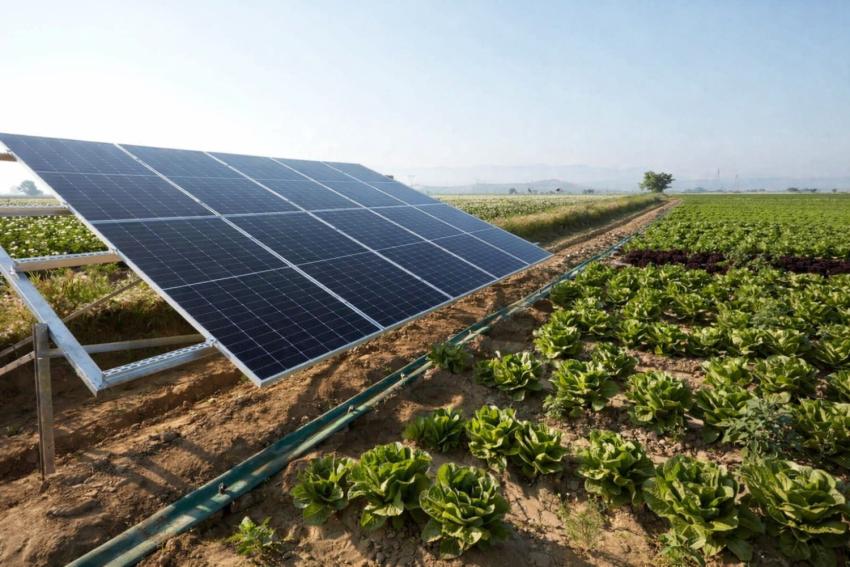
Every farmer who depends on irrigation knows the pain of rising diesel prices. A pump that once cost a few hundred rupees to run for a day now costs much more, and the price keeps climbing every year. This has pushed many farmers to look at solar power as a long term answer. But the real question remains: does solar actually save more money than diesel, or is it just a trend?
This article compares both options in plain terms, using real numbers and real farm examples, so you can decide what works best for your land and budget.
Understanding the Basic Difference
A diesel pump runs on fuel that you must buy again and again. Every liter you pour in adds to your running cost, and prices change with the market. An agri solar panel system works differently. You pay once for the panels, the pump, and the wiring, and after that the sun provides free energy for years. There is no fuel bill, and the moving parts are fewer, so breakdowns are less frequent too.
Initial Cost Comparison
Diesel pumps are cheaper to buy at first. A small diesel pump set can cost a fraction of what a solar pump system costs upfront. This is why many farmers still choose diesel when they are short on cash. However, the story changes once you look beyond the first year. A 5 HP diesel pump can cost a farmer well over two lakh rupees in fuel alone across ten years, while a solar pump of similar capacity has almost no fuel cost and usually pays for itself within three to four irrigation seasons. After that point, every season of use is essentially free power.
Running and Maintenance Costs
Diesel engines need regular servicing, oil changes, and filter replacements. They also wear out faster because they run hot and vibrate constantly. Solar pump systems, on the other hand, need very little upkeep. Panels mostly need occasional cleaning, and the pump motor lasts many years if it is good quality. This lower maintenance burden is one reason solar systems save money quietly, year after year, without the farmer noticing large repeated bills.
Case Study 1: Saltpan Farmers in Gujarat
A field study by SEWA looked at saltpan farmers in Gujarat who switched from diesel pumps to solar pumps for extracting brine water. The results showed a significant drop in production costs, and farmers using solar pumps recorded a profit increase of 161 percent compared to those still using diesel pumps. This case is notable because saltpan work depends on pumps running for long hours daily, which makes fuel savings add up fast.
Case Study 2: A Farm in Sikar, Rajasthan
A farmer in Sikar installed a 7.5 HP solar submersible pump to replace an aging diesel setup. The change allowed the farm to complete two additional crop cycles in a year because water was available without worrying about fuel supply or cost. Net farm income rose by 38 percent within a short period. This shows that solar pumps do not just cut costs, they can also open the door to more farming cycles, which increases total earnings.
Reliability and Practical Farming Benefits
Diesel supply is not always dependable in rural areas. Farmers often face significant delays because they must travel to fuel stations, particularly during high-demand periods such as planting and harvesting. A solar system removes this dependency completely, since the sun shows up every day without needing transport or storage. This reliability matters greatly during critical growth stages of crops, when even a short delay in watering can hurt yield.
The wider shift toward agrisolar systems, where solar power supports both irrigation and other farm energy needs, is also gaining attention because it reduces a farm's overall dependence on fossil fuels while keeping operational costs predictable.
Environmental Impact
Diesel pumps release smoke and greenhouse gases every time they run. Over years of continuous use, this adds up to a meaningful environmental cost, both locally and globally. Solar pumps produce zero emissions during operation. For farmers who care about sustainable practices or who wish to qualify for green certifications, this is an added advantage that diesel simply cannot offer.
Government Support Makes Solar More Affordable
Many governments provide financial assistance to help farmers lower the upfront expense of installing solar-powered pumps. Programs like PM-KUSUM in India cover a large share of the installation cost, meaning farmers pay only a small portion themselves. This support has pushed solar pump adoption higher every year, and it narrows the upfront cost gap with diesel considerably.
Which One Actually Saves More?
If you look only at the first year, diesel may seem lighter on the pocket. But looking at a five to ten year period, solar wins clearly. The fuel savings, lower maintenance, and added crop cycles combine to make solar the stronger financial choice over time. Diesel remains useful for short term or emergency needs, but as a long term investment, an agri solar panel setup consistently proves cheaper and more dependable.
Conclusion
Choosing between solar and diesel is really a choice between short term convenience and long term savings. Diesel pumps may look easier to buy today, but they keep draining money every season. Solar systems ask for a bigger investment at the start, yet they repay that cost many times over through free running power and fewer repairs. As studies continue to emerge and industry events such as the AgriPV conference showcase successful on-farm experiences from diverse regions, solar-powered irrigation is increasingly being recognized as a practical solution that delivers long-term financial benefits for farmers.
Frequently Asked Questions
Q1. How long does it take for a solar pump to pay for itself compared to diesel?
Most solar irrigation systems break even within three to four farming seasons, depending on pump size and how often it is used.
Q2. Can a solar pump work during cloudy days or monsoon season?
Solar pumps work best in direct sunlight, so output drops on cloudy days. Many farmers use a small battery backup or keep a diesel pump as a backup for such periods.
Q3. Is the maintenance cost of a solar pump really lower than diesel?
Yes. Solar pumps have fewer moving parts and no engine to service, so maintenance costs are much lower over the years compared to a diesel pump that needs regular oil changes and part replacements.
Q4. Do government subsidies cover the full cost of a solar pump installation?
Subsidies usually cover a large portion, often more than half the cost, but farmers still need to pay a share themselves unless the scheme states otherwise.
Q5. Which pump type is better for very deep borewells?
Solar submersible pumps handle deeper water sources well and are generally recommended when the water table is more than ten meters deep, while surface pumps work fine for shallower sources.