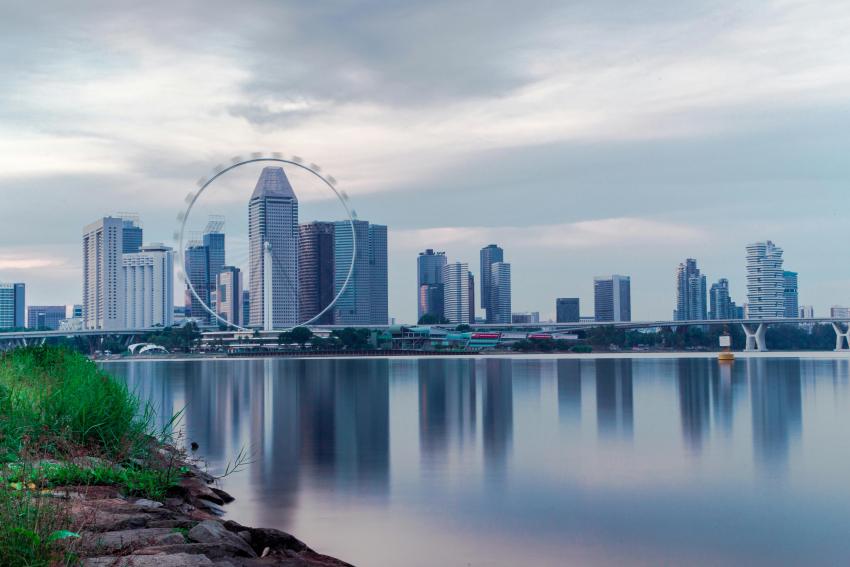
For years, travelers viewed this Southeast Asian island as a mere layover—a sterile, hyper-modern stopover where you stretch your legs for 24 hours before flying to Europe or Australia. But that narrative is entirely outdated. Today, locking in a dedicated Singapore tour package is the best way to experience a destination that has evolved into a culinary powerhouse, an architectural marvel, and a surprisingly green metropolis. Whether you want to marvel at futuristic supertrees or eat world-class street food under a plastic tent, this city-state demands a spot at the top of your travel bucket list.
Navigating the Best Time to Visit
Singapore sits just north of the equator, which means the weather stays pretty consistent year-round. It is hot, and it is humid. However, timing your trip around local festivals and monsoon seasons can drastically change your experience.
The dry season generally runs from February to April. During these months, you will experience the least amount of rainfall, making it the perfect window for walking tours through Chinatown or evening strolls along the Marina.
If you want to avoid peak crowds and inflated hotel prices, consider booking your trip between July and October. Just keep in mind that the Southwest monsoon occurs during this period, bringing brief but heavy afternoon downpours. Packing a small, travel-friendly umbrella is a non-negotiable here.
Crafting the Ideal 5-Day Itinerary
Most first-time visitors try to squeeze everything into two days and end up exhausted. To truly appreciate the contrast between ultra-modern skyscrapers and historic neighborhoods, you need at least four to five full days.
Day 1: The Iconic Waterfront. Start with the classic sights. Walk through the legal and civic district, visit the Merlion Park, and spend your afternoon inside the cooled conservatories at Gardens by the Bay. Stay until evening to watch the Garden Rhapsody light show.
Day 2: Cultural Enclaves. Dedicate this day to the distinct neighborhoods. Explore the colorful shophouses of Little India, visit the Buddha Tooth Relic Temple in Chinatown, and hunt for quirky textiles and perfumes in Kampong Glam.
Day 3: Island Escape. Take the cable car or boardwalk over to Sentosa Island. Skip the generic malls and head straight for Universal Studios or relax at Tanjong Beach Club.
Day 4: Wildlife and Night Safaris. Spend your morning at the Mandai Wildlife Reserve, home to the Singapore Zoo and the spectacular River Wonders. In the evening, the Night Safari offers a rare look at nocturnal animals in a natural setting.
Day 5: Hidden Greenery and Shopping. Walk the Southern Ridges canopy paths in the morning, then spend your afternoon hunting for deals on Orchard Road or exploring the trendy cafes in Tiong Bahru.
Smart Budgeting: Food, Transit, and Hidden Costs
Singapore has a reputation for being incredibly expensive, but your daily expenses depend heavily on how you travel. Accommodation will undoubtedly eat up the biggest portion of your budget. High-end hotels around Marina Bay can easily top several hundred dollars a night, but boutique properties in Geylang, Little India, or Lavender offer clean, air-conditioned comfort for a fraction of the price.
When it comes to food, you can eat like royalty on a shoestring budget. Skip the hotel breakfasts and head straight to a local hawker center like Maxwell or Old Airport Road. A plate of legendary Hainanese chicken rice or a bowl of spicy laksa will rarely cost you more than five or six local dollars.
For transportation, do not bother with expensive taxis. The Mass Rapid Transit (MRT) system is clean, fast, and covers every corner of the island. Buying a Singapore Tourist Pass gives you unlimited rides on buses and trains, keeping your transit budget remarkably low.
Common Mistakes First-Time Travelers Make
The most frequent error travelers make is underestimating the humidity. Walking outside feels like stepping into a warm bath. Many tourists schedule outdoor hikes at noon, only to end up dehydrated and exhausted. Plan your outdoor exploration for early mornings or late evenings, and use the air-conditioned malls and museums during the peak heat of the afternoon.
Another common slip-up is ignoring local laws. You probably already know that chewing gum is banned, but did you know you can be fined for littering, smoking in unauthorized zones, or even eating on the MRT? The laws are strictly enforced, so pay attention to public signage.
Finally, do not forget to pack the right footwear. You will easily clock 15,000 to 20,000 steps a day walking through massive transit stations and sprawling attractions. Leave the formal shoes at home unless you are planning a high-end dinner at a Michelin-starred restaurant.
Looking Beyond the Mainland: Offshore Islands
If the concrete jungle starts to feel overwhelming, you can easily escape to a completely different era. A short, 10-minute bumboat ride from the Changi Point Ferry Terminal takes you to Pulau Ubin.
This small island is home to Singapore’s last remaining kampongs (traditional villages). Here, you can rent a cheap bicycle and ride through lush jungle paths, spot wild boars, and explore the Chek Jawa Wetlands. It offers a stark, beautiful contrast to the glittering skyscrapers of the Central Business District.
Booking Your Trip Wisely
When looking through various options online, it pays to look closely at what is actually included. Many generic itineraries pack your days with forced shopping stops or rush you through major landmarks just to check a box.
If you prefer flexibility, look for a customizable Singapore travel guide and itinerary that secures your flights and central accommodation while leaving your afternoons free for independent exploration. This balance ensures you get the logistical ease of an organized trip without feeling babysat. Always check if attraction entry tickets—especially for high-demand spots like Universal Studios or the Singapore Flyer—are bundled into your upfront price to avoid unexpected expenses at the gate.