First Holy Communion is one of the most significant milestones in a young girl’s life, marking her first formal participation in the Eucharist within the Catholic faith. Alongside the spiritual importance of the day, there is also a long-standing tradition of dressing the part — and the communion frock has become as symbolic as the sacrament itself. Choosing the right communion frock involves balancing tradition, comfort, modesty, and a touch of personal style, all while keeping in mind that this is a dress a young girl will remember for years to come. This guide walks through everything parents need to know when selecting a communion frock, from fabric and silhouette to accessories and etiquette.
The Significance of the Communion Frock
The white communion frock carries deep symbolic meaning within Catholic tradition. White represents purity and innocence, echoing the same symbolism found in christening gowns and bridal wear. For most families, the communion frock is not just an outfit but a meaningful keepsake, often passed down between siblings or preserved as a memory of the occasion. Because of this, many parents approach the selection process with the same care they might give to choosing a wedding dress.
Understanding Traditional Communion Frock Styles
While personal taste plays a role, most communion frocks still follow recognisable traditional silhouettes that have remained popular for generations.
Classic A-Line Silhouettes
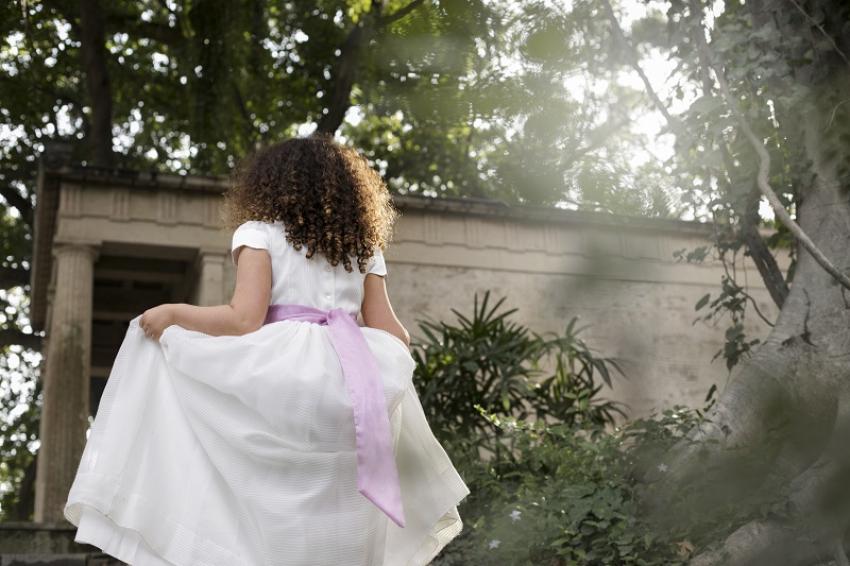
The A-line silhouette remains the most common choice for communion frocks. It is flattering on most body types, comfortable for a young girl to move and kneel in during the Mass, and timeless enough to photograph well for years to come. A-line frocks typically feature a fitted bodice that flows out gently from the waist.
Ball Gown Style Frocks
For families wanting a more dramatic, princess-like silhouette, ball gown style communion frocks with a fuller skirt are a popular alternative. These work well for formal church ceremonies and receptions that follow, though they can be slightly less practical for very long services or warm weather.
Empire Waist Designs
Empire waist communion frocks, with a seam positioned just below the bust, offer a softer, more relaxed fit through the torso. This style suits younger girls particularly well, as it allows room for movement without feeling restrictive during long ceremonies.
Choosing the Right Fabric
Fabric choice affects both how elegant the frock looks and how comfortable it feels to wear for several hours, often including church, family photos, and a celebratory lunch or dinner afterward.
Satin and Silk for Formal Elegance
Satin and silk communion frocks have a natural sheen that photographs beautifully and gives the dress a more formal, refined appearance. These fabrics work well for cooler seasons or air-conditioned venues, though they can feel warm in humid climates.
Tulle and Organza for Softness and Volume
Tulle overlays and organza fabric add volume and a soft, ethereal quality to a communion frock, particularly for ball gown or layered skirt styles. These fabrics are lightweight, which helps with comfort, though they require careful handling to avoid snagging or creasing before the big day.
Cotton Blends for Comfort in Warmer Weather
For communions held during warmer months, cotton-blend fabrics offer breathability without compromising on the dress’s formal appearance. These are especially practical for outdoor receptions or venues without strong air conditioning.
Necklines, Sleeves, and Modesty Considerations
Since the communion frock is worn for a religious ceremony, modesty is an important consideration that differs from typical occasion wear.
Appropriate Neckline Choices
Most churches expect communion frocks to have modest necklines — typically rounded, square, or boat necklines that sit at or near the collarbone. Plunging or overly low necklines are generally considered inappropriate for the occasion.
Sleeve Styles and Their Practicality
Cap sleeves and short sleeves are the most common choices, offering a balance between modesty and comfort. Some families opt for sleeveless frocks paired with a small shrug or bolero, which can be removed for photos and put back on for the ceremony itself if the church requires shoulder coverage.
Length and Hemline Guidelines
Communion frocks traditionally fall at or below the knee, with some styles extending closer to ankle length for a more formal look. It’s worth checking with the church or school beforehand, as some institutions have specific guidelines on acceptable hemline length.
Accessorising the Communion Frock
The right accessories complete the communion look without overwhelming the simplicity that the occasion calls for.
Veils and Headpieces
A veil is one of the most traditional communion accessories, often paired with a small tiara, headband, or floral crown. The veil length can range from a short shoulder-length veil to a longer, more formal style, depending on family and regional traditions.
Gloves and Handbags
White gloves remain a classic communion accessory in many communities, adding a touch of old-world elegance. A small white handbag or rosary purse is often carried to hold a rosary, prayer book, or small memento from the day.
Footwear Choices
White shoes — typically ballet flats or low block heels — are the standard choice for communion footwear. Comfort should take priority here, since the day often involves standing, walking, and kneeling for extended periods.
Hair and Makeup for the Communion Day
Given that most girls receiving First Communion are quite young, hair and makeup choices tend to stay simple and age-appropriate.
Simple, Age-Appropriate Hairstyles
Soft curls, a half-up style with a bow, or a neat braid are popular choices that work well under a veil or headpiece. The hairstyle should be secure enough to last through the church service and any photos or celebrations afterward.
Minimal Makeup Considerations
Most communities consider it appropriate for young girls to wear little to no makeup for their First Communion, perhaps with a touch of lip balm or a very light tinted lip product. The focus is meant to remain on the spiritual significance of the day rather than appearance.
Common Mistakes to Avoid When Choosing a Communion Frock
A few avoidable missteps can affect both comfort and appropriateness on the day itself.
Prioritising Trend Over Tradition
While it can be tempting to follow current fashion trends, communion frocks are meant to reflect the solemnity and tradition of the occasion. Overly modern or unconventional designs may not be well received at more traditional parishes.
Not Accounting for Comfort During Long Ceremonies
Communion Masses can run long, often involving extended periods of kneeling, standing, and sitting. A frock that looks beautiful but restricts movement or feels itchy can make for a difficult day for a young girl who is already managing nerves and excitement.
Overlooking Church-Specific Guidelines
Some parishes and schools have specific dress code requirements for communion attire, including neckline, sleeve, and hemline rules. It’s always worth checking with the church or school in advance to avoid last-minute alterations.
Conclusion: Honouring Tradition with the Right Communion Frock
Choosing a communion frock is about more than finding a beautiful dress — it’s about honouring a meaningful milestone with an outfit that reflects tradition, modesty, and comfort in equal measure. Whether the final choice is a classic A-line silhouette, a softer empire waist design, or a fuller ball gown style, the most important consideration is that the young girl feels comfortable and at ease on a day that holds deep spiritual significance for her and her family. For families exploring formal and occasion wear options, boutiques like Aradhana Selection offer a range of styles that can help guide the search for the right communion frock, while keeping both tradition and comfort in mind.