Ladakh changes you. The first time you step off the plane in Leh, the thin air hits your lungs, and the stark, dramatic landscape forces you to slow down. Planning a trip here isn't like booking a standard beach vacation; it requires careful preparation, an understanding of high altitudes, and a realistic itinerary. Choosing a well-structured Ladakh tour package can mean the difference between an unforgettable adventure and a trip spent entirely in a hotel room dealing with acute mountain sickness.
The Acclimatization Rules You Cannot Skip
The biggest mistake travelers make is rushing their itinerary. Leh sits at over 11,500 feet above sea level. If you fly in from Delhi, your body needs time to adjust to the drop in oxygen levels.
A good itinerary will always dedicate the first 36 to 48 hours entirely to rest. Do not plan excursions on day one. Sip water, walk slowly, and let your body adapt. Reputable operators will insist on this buffer period. If a tour agent promises to take you to Pangong Lake on day two, book with someone else.
Choosing Your Route: Iconic Spots vs. Quiet Trails
Most travelers want to see the classic highlights, and for good reason. However, the sequence of your journey matters immensely for your comfort and safety.
Nubra Valley and Khardung La
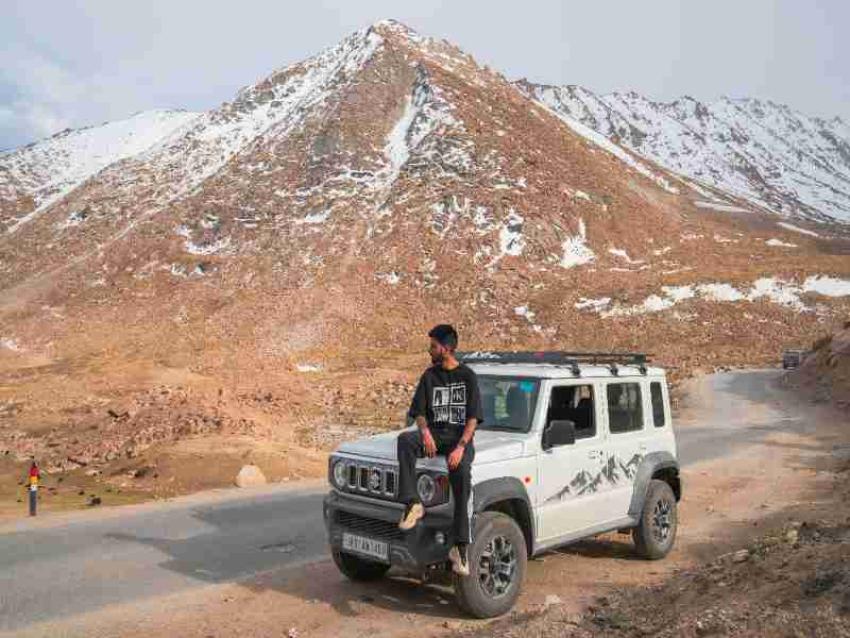
The drive to Nubra Valley takes you over Khardung La, historically tagged as one of the highest motorable roads in the world. Nubra is lower in altitude than Leh, making it a great stop in the middle of your trip. Here, you can see the cold desert dunes of Hunder and ride the double-humped Bactrian camels.
Pangong Tso
This endorheic lake, stretching from India to China, is famous for its shifting shades of blue. It sits at roughly 14,270 feet. Because of the extreme altitude, staying overnight can be tough on sleep and breathing. Many seasoned travelers now opt for day trips or ensure they visit Pangong only toward the end of their journey when fully acclimatized.
Hanle and Tso Moriri
For those looking to escape the crowds, the remote village of Hanle offers some of the clearest skies in Asia, making it a hub for astro-tourism. Tso Moriri is another stunning high-altitude lake, far less commercialized than Pangong, where you can encounter migratory birds and nomadic herdsmen.
When to Visit: Factoring in the Weather
The window for visiting Ladakh by road is relatively short, while flights operate year-round.
June to September: This is prime tourist season. The mountain passes—Manali-Leh and Srinagar-Leh highways—are open. Daytime temperatures are pleasant, ranging from 15°C to 25°C, though nights remain chilly.
May and October: These are shoulder months. You will find fewer tourists and lower prices, but the weather is unpredictable. Snowfall can temporarily close high passes.
November to April: The region experiences harsh winter conditions. Temperatures drop well below freezing. This is the time for extreme adventure, like the Chadar Trek across the frozen Zanskar River.
Transportation: Fly or Drive?
How you get to Ladakh shapes your entire experience. Flying into Leh is quick but offers zero gradual acclimatization. Driving allows your body to adjust slowly, but the journeys are long and physically demanding.
[Srinagar to Leh Route] ---> Gentler ascent, better for acclimatization [Manali to Leh Route] ---> Steeper, higher passes, more dramatic landscapes
If you choose to drive, the Srinagar highway is generally a gentler ascent than the Manali highway. Inside Ladakh, local transport regulations are strict. Outside taxis are not allowed to take tourists to sightseeing points like Nubra or Pangong. You must hire local Leh taxis, which operate on fixed government rate lists. Ensure your tour coordinator handles these local transport bookings beforehand to avoid last-minute hassles.
Budgeting and Avoiding Hidden Costs
When comparing options, look closely at what is included. A cheap upfront price often hides extra out-of-pocket expenses later.
Expense TypeIncluded in Premium Packages?Typical Out-of-Pocket Cost
Inner Line Permits (ILP)Usually YesEnvironment & wildlife fees
Oxygen Cylinders in CabAlwaysEssential for high-altitude passes
Monastery Entry FeesRarelySmall cash payments at gates
Adventure ActivitiesNoATV rides, rafting, camel safaris
Food is another variable. Breakfast and dinner are typically included at your hotels, but lunches are on the road. Keep cash handy, as digital payment networks can be unreliable due to spotty satellite connectivity in remote valleys.
Practical Packaging Tips for the Himalayas
The mountain weather changes by the hour. You can feel like you are baking in the sun at noon and freezing in the shade ten minutes later.
Layering is key: Pack thermals, windproof jackets, fleece layers, and heavy woolens.
Sun protection: The high-altitude sun is fierce. High-SPF sunscreen, polarized sunglasses, and a wide-brimmed hat are non-negotiable.
Medical kit: Carry Diamox (after consulting your doctor) for altitude sickness, along with basic remedies for headaches, motion sickness, and hydration salts.
Finding the right balance of comfort, adventure, and safety is essential. For well-vetted itineraries and reliable local execution, exploring a dedicated traveljunky Ladakh travel guide can help you streamline the logistics so you can focus entirely on the incredible landscapes.
Common Mistakes to Avoid
Do not over-schedule your days. Ladakh distances look short on maps, but mountain driving averages 20 to 30 kilometers per hour. A 150-kilometer drive can easily take six hours. Give yourself breathing room, respect the mountains, keep your plastic waste to an absolute minimum, and enjoy the slow, quiet rhythm of the Himalayas.