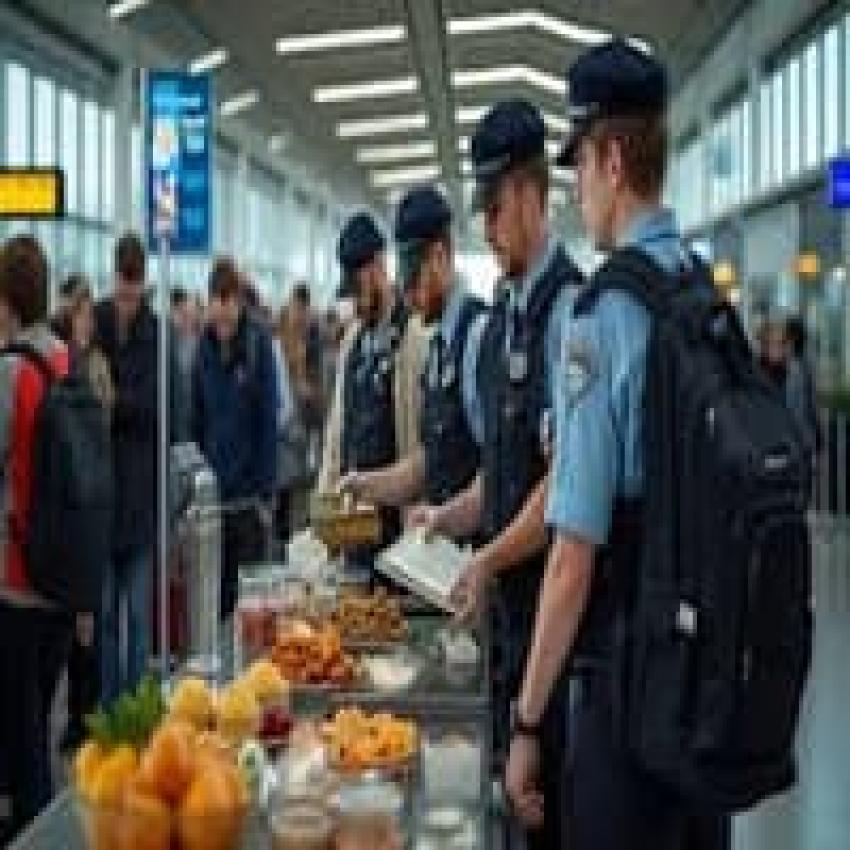
Bringing UK Food Home: A Complete Guide to Customs Rules & Legal Limits: A Complete Guide
Indeed, the United Kingdom is an abundant source of food products that you may wish to try while traveling there or even carry some food items from the United Kingdom back home for your loved ones. Nevertheless, not all food items can be exported out of the United Kingdom because the rules and regulations of each destination country differ considerably. Moreover, some types of food products cannot be taken out of the UK without risking being confiscated or fined significantly. Therefore, this article aims to give you detailed information about which food items you can take out of the United Kingdom with you and which should better be left behind.
Smart Transport Choices Before You Shop
Even before you start stuffing your case with your tea biscuits and clotted cream, think about how you will travel within the country at the end of your holiday period. In case you are spending time within the suburbs such as Hertfordshire, or you find yourself shopping around in Watford, it would be best for you to have your transportation to avoid carrying bulky goods on crowded buses. This will ensure that you can travel comfortably using the services of a Chauffeur Service Watford company without stressing about carrying your food items since they provide luggage room as well as drivers who know where the traffic moves to.
The Absolute Bans: What You Cannot Bring from the UK
Every nation maintains a list of prohibited food items meant to stop the transmission of contagious diseases like foot-and-mouth disease or avian flu. Travelers wishing to enter the US, Canada, Australia, New Zealand, or the European Union would not be able to import the following UK food products: fresh/frozen meat (such as pork sausages, bacon, or beef pies), raw poultry products, or dairy products produced for personal use (such as homemade cheese lacking a label). It is also generally not possible to import fruits and vegetables containing seeds/soil, honeycomb, and other homemade foods. In other words, it is prohibited to bring back pork pies bought at a local butchers, fresh meat (game meat such as venison), and even a lunch box with a ham sandwich in it. In fact, it is even more difficult to bring any meat products to Australia or New Zealand on a plane. Always visit your government’s official website before purchasing something abroad.
Allowed Items: What You Can Safely Pack
The good news is that there are lots of delicious foods from the UK that you can take with you without breaking the law. Permitted foods may include chocolate that comes in packages and is sealed (such as Cadbury and Hotel Chocolat chocolate), hard cheese (Cheddar, Stilton, Red Leicester), but only if vacuum-packed and not any other kinds of cheese which have an artisan rind. Biscuits, cookies (such as Walkers shortbread, Jammie Dodgers), tea bags (such as Twinings, Yorkshire Tea), instant coffee, jam, marmalade (provided that it is packed), as well as condiments like Marmite, HP Sauce, or Colman’s mustard are all fine to take home. Alcoholic beverages, provided that they do not exceed the allowance (usually 1 liter of spirits or 2 liters of wine per adult, depending on your country), can be brought back too.
Packing Perishables & Breaking Down the Rules by Destination
Even though hard cheese and sealed biscuits do not pose a problem during travel, food that needs refrigeration is definitely a risky option. The list of foods that should not be taken on a long-distance flight unless there is a travel cooler at hand includes butter, fresh cream cakes, yogurt, and fresh pâté. The post-Brexit regulation concerning the European Union means that no meat or dairy product whatsoever is allowed to be transported from the UK. In the case of the USA, practically all commercially packaged foods are permitted, but they need to be declared on the customs form, otherwise, the passenger will face a $500 penalty for bringing an apple from the airplane snacks. Canada allows raw nuts, beans, and coffee on board, but prohibits fresh herbs and potatoes.
Stress-Free Airport Logistics for Food-Heavy Luggage
Once you have successfully completed your shopping expedition, the next challenge you will face is transporting all those jars, bottles, and rounds of cheese to the check-in counter of the airport. This becomes even more difficult when you have to travel from a smaller airport such as Luton, as this facility has very few trolleys for loading your bags and luggage and it is far away from the departure gate. Hiring a pre-booked Taxi to Luton Airport from Watford will solve this issue for you because not only will the driver help you load your baggage but will wait patiently while you pack and then drop you off at the right door. If you have any fragile goods such as a bottle of clotted cream and a Scotch, then you could hire a Taxi to Luton Airport that will safely carry these products.
How to Pack Food for Air Travel: Security & Customs Tips
Having ensured that you do not have any illegal items, packaging your things right becomes the next challenge. Firstly, make sure that any liquid above 100ml (jams, sauces, honey, alcohol miniature bottles), will not go into your cabin baggage, but instead into your hold suitcase. Pack such items properly by putting them in cloth or bubble wrap, and sealing the contents in sealed plastic bags. Any hard cheeses can be vacuum-packed either at home or at a local butchery. Pack powder-based foods such as custard powder and instant tea in two plastic bags to avoid an explosion of dust while traveling. Mark everything clearly; there are many instances where the custom agents appreciate the labeling “commercially sealed” or “duty-free spirits.” Lastly, take pictures of each product label before leaving your house, as some countries have their own rules about certain products (UAE or Japan, for example, ban poppy seeds and non-halal gelatin).
Final Checklist & Declaration Advice
Before zipping up your luggage, check off the following list: Is it commercially packed? Are there no meats, dairy products or fruits? Have you found out about the particular regulations concerning alcohol or honey at your destination? Are all your liquid foods in the baggage? It is essential to always declare your food products when filling out the customs declaration form, even when you are certain that they will be permitted. Otherwise, dishonesty results in fines and blacklisting from travelling to that country. If unsure, you should approach the customs office and say: “I am carrying cheese and biscuits in sealed packages. Am I allowed to continue my way?” Customs officers are willing to help those who tell the truth. Smart purchasing, efficient packing and local transportation like a chauffeur company or airport transfer are all you need to enjoy British snacks safely. Safe travels and enjoy your meal!