The Growing Demand for Collaboration Displays in Modern Workplaces
The modern workplace continues to evolve at an unprecedented pace. Organizations are embracing digital transformation, hybrid work models, and advanced communication technologies to improve productivity and teamwork. As a result, collaboration displays have become a critical component of today's meeting rooms, boardrooms, classrooms, and collaborative workspaces.
Traditional projectors and standard display screens no longer meet the demands of dynamic business environments. Teams require interactive solutions that support real-time communication, seamless content sharing, and efficient decision-making. Consequently, businesses across industries are upgrading to collaboration displays system to create more connected and productive workplaces.
Below, we explore the seven primary reasons driving this significant shift.
1. Enhanced Team Collaboration and Engagement
One of the biggest advantages of modern collaboration displays is their ability to transform passive meetings into interactive working sessions.
Traditional presentations often limit participation because only one person controls the content. However, collaboration displays allow multiple users to interact with information simultaneously. Team members can annotate documents, brainstorm ideas, edit content, and contribute in real time.
This increased level of engagement encourages active participation from everyone involved. As a result, meetings become more productive, ideas flow more freely, and decisions are made faster.
Organizations that prioritize collaboration often discover that interactive displays help eliminate communication barriers and foster stronger teamwork across departments.
2. Seamless Integration with Hybrid Work Environments
Hybrid work has become a standard business model for companies worldwide. Employees now collaborate from offices, homes, and remote locations across different regions.
To support this new working style, organizations require technology that connects remote and in-office participants equally. Collaboration displays integrate seamlessly with popular video conferencing platforms, enabling teams to communicate without disruption.
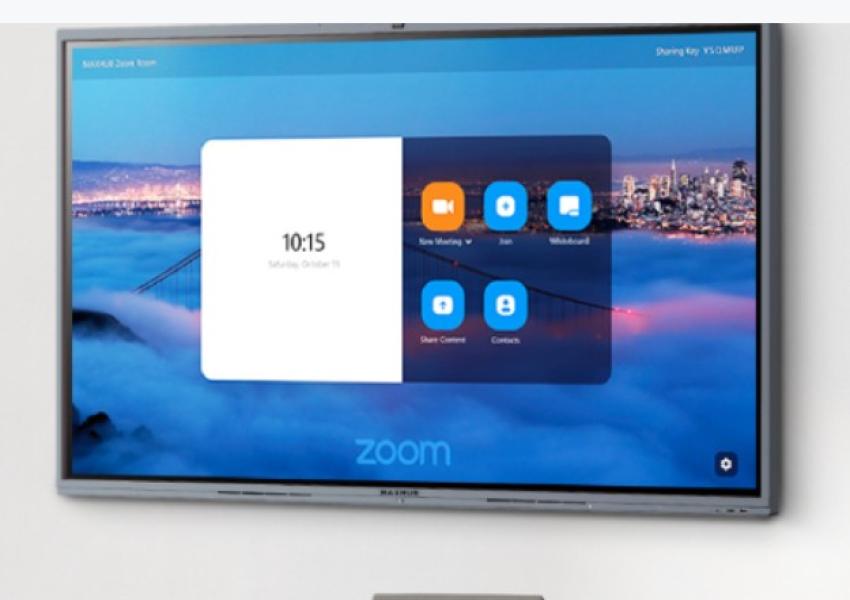
Whether employees use Microsoft Teams, Zoom, Google Meet, or other collaboration tools, modern displays provide a unified meeting experience. Shared content remains visible to all participants, while interactive features ensure everyone can contribute regardless of location.
This seamless connectivity helps organizations maintain productivity while supporting flexible work arrangements.
3. Improved Meeting Efficiency and Productivity
Inefficient meetings cost organizations valuable time and resources. Technical delays, connectivity issues, and presentation setup challenges often reduce meeting effectiveness.
Collaboration displays address these problems by simplifying meeting workflows. Users can instantly connect devices, share screens wirelessly, and access cloud-based applications without complex configurations.
Because setup times are significantly reduced, meetings start promptly and remain focused on objectives. Teams spend less time troubleshooting technology and more time discussing strategies, solving problems, and making decisions.
The result is a measurable increase in workplace productivity and operational efficiency.
4. Interactive Touch Technology Enhances Creativity
Innovation thrives when employees can freely share and develop ideas. Collaboration displays provide advanced touchscreen functionality that encourages creative thinking and interactive brainstorming.
Teams can write directly on the screen, sketch concepts, create workflow diagrams, and edit content collaboratively. This hands-on approach helps visualize ideas more effectively than traditional presentation methods.
Interactive displays support multiple touch points, allowing several participants to contribute simultaneously. Consequently, brainstorming sessions become more engaging and productive.
Organizations that depend on innovation often find that collaboration displays create an environment where creativity can flourish naturally.
5. Simplified Content Sharing Across Devices
Modern workplaces rely on a wide variety of devices, including laptops, tablets, smartphones, and desktop computers. Sharing information across these devices can sometimes be challenging.
Collaboration displays eliminate compatibility concerns through wireless content sharing capabilities. Employees can present information directly from their preferred devices without requiring cables or adapters.
This flexibility creates a smoother workflow and reduces interruptions during meetings. Furthermore, teams can switch presenters quickly, ensuring discussions remain fluid and efficient.
By simplifying content sharing, businesses create a more collaborative and connected working environment.
6. Future-Proof Technology Investment
Organizations continuously seek technology solutions that deliver long-term value. Collaboration displays represent a future-ready investment designed to support evolving workplace requirements.
Unlike conventional display systems, modern collaboration solutions receive software updates, security enhancements, and new feature integrations over time. This ensures businesses can continue benefiting from emerging technologies without replacing existing hardware frequently.
Additionally, many collaboration displays support cloud connectivity, artificial intelligence features, digital whiteboarding, and advanced collaboration platforms.
By investing in scalable technology today, organizations position themselves for continued growth and innovation in the future.
7. Enhanced Professionalism and Customer Experience
First impressions play a significant role in business success. Modern collaboration displays help organizations present a professional image during client meetings, presentations, training sessions, and conferences.
High-resolution displays deliver exceptional image quality, making presentations more impactful and visually appealing. Interactive capabilities also enable organizations to demonstrate products, services, and business solutions more effectively.
Clients and stakeholders often perceive businesses using advanced collaboration technology as innovative, forward-thinking, and professionally managed.
Beyond internal operations, collaboration displays contribute to stronger customer engagement and improved business relationships.
Key Features Driving Collaboration Display Adoption
Businesses upgrading their meeting spaces often prioritize collaboration displays because of their advanced capabilities, including:
- Multi-touch interactive functionality
- Wireless screen sharing
- Integrated video conferencing support
- Digital whiteboarding tools
- Cloud application integration
- High-resolution 4K display quality
- Remote collaboration features
- Secure user management
- Cross-platform compatibility
- Simplified device connectivity
These features collectively create a more efficient and productive workplace environment.
Industries Benefiting from Collaboration Displays
Collaboration displays are no longer limited to corporate boardrooms. Organizations across multiple sectors are leveraging this technology to improve communication and collaboration.
Corporate Offices
Businesses use collaboration displays for meetings, project planning, presentations, and remote team collaboration.
Education
Schools, colleges, and universities employ interactive displays to enhance classroom engagement and facilitate collaborative learning.
Healthcare
Medical institutions use collaboration displays for training, consultations, case reviews, and administrative meetings.
Government Organizations
Public sector agencies utilize collaboration technology to improve communication, planning, and decision-making processes.
Training Centers
Professional training providers rely on interactive displays to create engaging learning experiences for participants.
How Collaboration Displays Support Digital Transformation
Digital transformation requires more than software adoption. Organizations must also modernize the physical spaces where employees collaborate and innovate.
Collaboration displays serve as a bridge between digital tools and workplace interactions. They enable seamless access to cloud resources, improve information sharing, and facilitate real-time collaboration.
As businesses continue adopting digital workflows, collaboration displays become an essential component of a connected workplace ecosystem.
Organizations that embrace these technologies often experience improved operational efficiency, stronger employee engagement, and greater business agility.
Conclusion
The growing adoption of collaboration displays reflects the changing nature of modern work. Businesses require technology that supports collaboration, enhances productivity, and enables seamless communication across distributed teams.
From improving meeting efficiency and encouraging creativity to supporting hybrid work and strengthening customer engagement, collaboration displays deliver significant benefits across every aspect of organizational operations.
As workplaces continue to evolve, companies investing in advanced collaboration technology position themselves for greater success, stronger teamwork, and sustainable long-term growth. Upgrading to collaboration displays is no longer simply a technology enhancement—it is a strategic business decision that drives innovation, efficiency, and competitive advantage.