Leh Ladakh isn't a destination you just pack a bag for and visit on a whim. Sitting at over 11,000 feet above sea level, this cold desert demands respect, careful planning, and a solid understanding of the terrain. If you are looking into a Ladakh tour package, you are likely trying to balance the thrill of seeing the stark, lunar landscapes with the logistical reality of traveling through one of the most remote regions in India. The right itinerary makes the difference between a life-changing adventure and a trip spent miserable in a hotel room with altitude sickness.
The Non-Negotiable Rest Day: Why Acclimatization is Everything
The biggest mistake travelers make happens before they even leave Leh airport. When you fly into Leh from Delhi, your body transitions from sea level to 11,500 feet in roughly an hour. The air is thin, the atmospheric pressure is low, and your lungs have to work double-time.
A reliable tour operator will always insist that your first 24 to 36 hours are spent doing absolutely nothing. No short walks down the market, no quick drives to nearby monasteries. You need to sit in your room, drink water, and let your body produce the red blood cells required to handle the altitude. Skipping this step to squeeze in more sightseeing usually leads to acute mountain sickness (AMS), which can ruin the next four days of your trip.
Choosing Your Route: Srinagar vs. Manali vs. Flying In
How you get to Ladakh dictates the entire flavor of your journey. Most packages offer three main entry styles, each with its own pros and cons.
+-------------------+-----------------------------+-----------------------------+ | Route | Best For | Acclimatization Risk | +-------------------+-----------------------------+-----------------------------+ | Flying into Leh | Short itineraries (5-7 days)| High (Requires strict rest) | | Srinagar-Leh Road | Scenic valleys, slow ascent | Low (Gradual climb) | | Manali-Leh Highway| Ultimate adventure, riders | Moderate-High (High passes) | +-------------------+-----------------------------+-----------------------------+
The Srinagar Highway (NH 1D)
This route is arguably the most scenic and the gentlest on your body. Driving from Srinagar through Sonamarg, Drass, and Kargil allows you to acclimatize gradually. The landscape shifts slowly from lush green meadows to barren, jagged mountains. It takes two days of driving to reach Leh this way, but it reduces the chances of AMS significantly.
The Manali Highway
This is the legendary route favored by motorcyclists. It is raw, brutal, and stunning. However, it takes you over massive passes like Taglang La and Lachung La very quickly. If you choose a Ladakh road trip from Manali, ensure your itinerary includes an overnight stay at a lower altitude like Jispa or Keylong, rather than Sarchu, where the freezing temperatures and high altitude make sleeping difficult.
Designing the Perfect Circuit: Beyond Leh Town
Once you are settled in Leh, your itinerary will usually branch out into the three major valleys: Nubra, Pangong, and Tso Moriri.
[ Leh Town ] (Basecamp / 11,500 ft) / \ / \ [ Nubra Valley ] [ Pangong Tso ] (Diskit/Hunder) (High-altitude Lake) \ / \ / [ Shyok River Route ] (Connects Nubra & Pangong directly)
Nubra Valley and Hunder
To get to Nubra, you will drive across Khardung La. Nubra is surprisingly low in altitude compared to Leh, meaning you will likely feel great once you descend into the valley. The main draw here is Hunder, famous for its cold-desert sand dunes and the double-humped Bactrian camels.
Pangong Tso vs. Tso Moriri
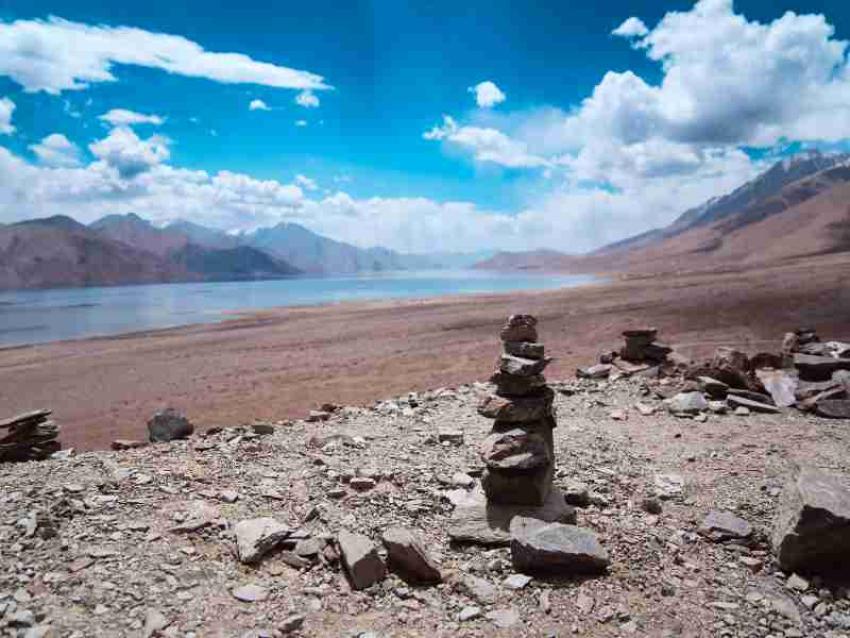
Pangong Tso gets all the fame because of its intense blue waters and pop-culture references. It sits at roughly 14,000 feet. A common flaw in cheaper packages is driving to Pangong and back to Leh in a single day. That is ten hours of bone-jarring mountain driving just for an hour by the lake. Always look for a Ladakh travel package that includes an overnight stay in wooden cottages or homestays at Spangmik or Tangtse.
If you prefer quiet over crowds, ask your planner to substitute or add Tso Moriri. It is wilder, less commercialized, and home to nomadic changpa herders, though it is higher and colder than Pangong.
Permitting and Inner Line Regulations
Ladakh shares sensitive borders with Pakistan and China. Because of this, you cannot just wander wherever you want. Domestic and international travelers need an Inner Line Permit (ILP) to visit areas like Nubra, Pangong, and Hanle.
A good package should handle these permits before you arrive. You will need to carry multiple physical copies of these documents because local checkpoints will collect them as you move from valley to valley.
When to Go: Balancing the Weather and Crowds
The tourist window for Ladakh is surprisingly tight.
May to June: The mountain passes start clearing of snow. The roads open, but you might encounter water crossings created by melting glaciers. It is cool, crisp, and beautiful.
July to August: This is peak season. The weather is warm, but monsoon rains in Himachal Pradesh can cause landslides on the Manali highway, cutting off access. The Ladakh region itself remains mostly dry as it lies in a rain shadow.
September to October: The crowds thin out, the lakes turn a deeper shade of blue, and the landscapes take on a golden hue. The nights get incredibly cold, but the daytime clarity is unmatched. This is the ideal time for photography.
Budget Realities: What Cheap Packages Leave Out
When comparing costs, the devil is always in the details. Ladakh is expensive to operate in because everything from vegetables to fuel has to be trucked in across treacherous terrain.
If a package seems unusually cheap, check the vehicle rules. The local taxi union in Leh is incredibly strict. Outside vehicles (including self-drive rentals from Delhi or Chandigarh) are generally not allowed to do sightseeing inside the valleys. They can only drop you off at Leh. For Nubra and Pangong, you must hire a local Leh-registered taxi. Cheap packages often hide the fact that you will need to pay extra for local transport once you arrive.
Culturally Grounded: Being a Responsible Traveler
Ladakh is culturally distinct, rooted deeply in Tibetan Buddhism. When visiting monasteries like Thiksey, Hemis, or Diskit, dress modestly. Always walk clockwise around stupas and mani stones (prayer walls).
Water scarcity is a major issue in Leh during the summer. Opt for homestays that utilize traditional dry toilets when possible, or be highly conscious of your water consumption at hotels. Plastic waste is another crisis in the highlands; carry a reusable insulated bottle and refill it at your hotel rather than buying single-use plastic bottles at every stop.
Final Checklist Before Booking
Before you sign off on any itinerary, ask the operator three specific questions: Does the price include the inner line permits? Is oxygen provided in the vehicle during pass crossings? Is the first full day strictly reserved for rest? If they hesitate on any of these, keep shopping. A great trip here requires local expertise, patient pacing, and a genuine respect for the mountains.