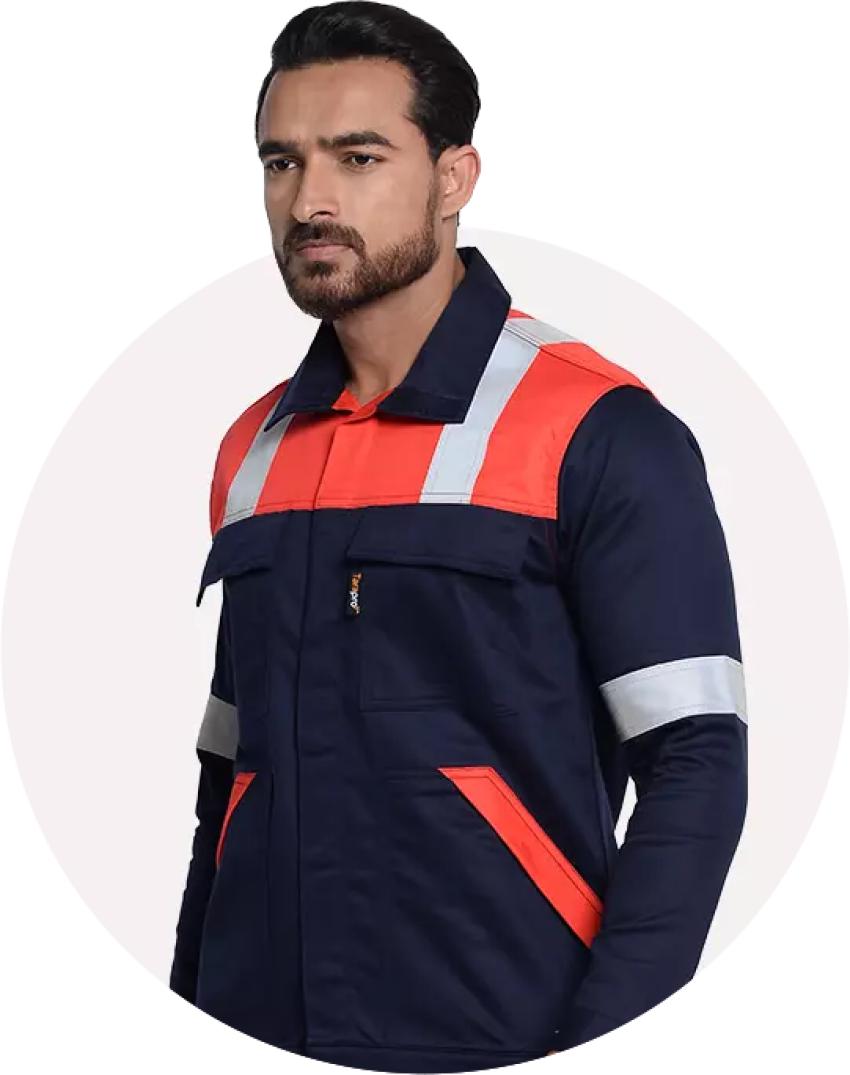
Welding is one of the most important industrial processes used across manufacturing, construction, automotive, shipbuilding, oil and gas, and heavy engineering sectors. While welding plays a critical role in fabrication and assembly, it also exposes workers to numerous hazards, including sparks, molten metal splatter, intense heat, ultraviolet (UV) radiation, and potential fire risks.
To ensure worker safety and compliance with workplace safety standards, personal protective equipment (PPE) is essential. Among the various protective gear used by welders, the welding jacket stands out as one of the most important pieces of equipment. Designed specifically to shield the upper body from welding-related hazards, a welding jacket provides protection, comfort, and durability in demanding work environments.
What Is a Welding Jacket?
A welding jacket is a specialized protective garment designed to protect welders from sparks, molten metal splashes, heat, flames, and harmful radiation generated during welding operations.
Unlike regular workwear, welding jackets are made from flame-resistant and heat-resistant materials that help minimize the risk of burns and injuries. They cover the torso, arms, shoulders, and neck, providing comprehensive protection during various welding processes such as:
- MIG Welding
- TIG Welding
- Stick Welding
- Arc Welding
- Flux-Cored Arc Welding
- Plasma Cutting
Welding jackets are considered a critical component of personal protective equipment and are often used alongside welding helmets, gloves, safety boots, and respiratory protection.
Why Welding Jackets Are Important
Welding environments expose workers to several hazards that can cause serious injuries if proper protection is not used.
Protection Against Sparks and Spatter
During welding, hot sparks and molten metal particles can be projected in multiple directions. These particles can easily burn through regular clothing and cause skin injuries.
A welding jacket acts as a protective barrier, preventing direct contact between the welder's skin and hot debris.
Heat Resistance
Welding generates extremely high temperatures. Continuous exposure to radiant heat can lead to discomfort, heat stress, and burns.
Welding jackets are specifically designed to withstand elevated temperatures while providing thermal insulation.
Protection from UV and Infrared Radiation
Arc welding produces intense ultraviolet and infrared radiation. Prolonged exposure can cause skin damage similar to severe sunburn.
A properly designed welding jacket protects exposed skin from harmful radiation.
Fire Prevention
Ordinary clothing materials can ignite when exposed to sparks or hot metal fragments. Flame-resistant welding jackets significantly reduce the risk of clothing fires.
Workplace Safety Compliance
Many industries require the use of certified PPE to comply with occupational safety regulations. Welding jackets help employers meet workplace safety standards and reduce liability risks.
Key Features of a Quality Welding Jacket
Not all welding jackets provide the same level of protection. High-quality welding jackets typically include several important features.
Flame-Resistant Material
The primary purpose of a welding jacket is protection against heat and flames. Quality jackets use flame-resistant materials that self-extinguish when exposed to sparks.
Durable Construction
Industrial welding environments are harsh and demanding. Reinforced stitching and heavy-duty construction improve durability and longevity.
Full Coverage Design
A good welding jacket provides complete coverage for:
- Chest
- Back
- Shoulders
- Arms
- Neck area
This reduces the risk of accidental exposure.
Secure Closures
Welding jackets often feature:
- Snap buttons
- Velcro closures
- Covered zippers
These designs prevent sparks from entering through openings.
Comfortable Fit
Workers often wear welding jackets for extended periods. Ergonomic designs allow freedom of movement while maintaining protection.
Heat-Resistant Sleeves
The sleeves are among the most exposed areas during welding. Reinforced sleeves offer additional protection against heat and spatter.
Common Materials Used in Welding Jackets
The effectiveness of a welding jacket largely depends on the materials used in its construction.
Cotton Flame-Resistant Jackets
Flame-resistant cotton jackets offer a lightweight alternative to leather.
Advantages include:
- Better breathability
- Improved comfort
- Reduced weight
- Suitable for lighter welding tasks
These jackets are commonly used in warmer working environments.
Split Cowhide Leather
Split cowhide leather provides excellent protection and durability.
It is widely used because it offers:
- Strong abrasion resistance
- High heat tolerance
- Reliable spark protection
Hybrid Welding Jackets
Some modern welding jackets combine multiple materials.
For example:
- Leather sleeves for maximum protection
- Flame-resistant cotton body for comfort
This combination balances protection and wearability.
Types of Welding Jackets
Different welding applications require different levels of protection.
Standard Welding Jackets
Designed for general welding applications, these jackets provide reliable protection against sparks and heat.
Heavy-Duty Welding Jackets
Used in high-temperature environments where workers are exposed to significant molten metal splatter and radiant heat.
Lightweight Welding Jackets
Ideal for TIG welding and lower-spatter applications where mobility and comfort are priorities.
Flame-Resistant Work Jackets
These jackets provide moderate protection and are suitable for fabrication shops and maintenance operations.
Hybrid Jackets
Hybrid designs combine protective materials to improve both safety and comfort.
Industries That Use Welding Jackets
Welding jackets are essential across a wide range of industries.
Manufacturing
Production facilities rely on welding for assembly and fabrication processes.
Construction
Structural steel welding and infrastructure projects require protective clothing.
Automotive Industry
Vehicle manufacturing and repair operations involve extensive welding activities.
Shipbuilding
Marine fabrication environments expose workers to intense welding hazards.
Oil and Gas
Pipeline construction and refinery maintenance often require specialized welding protection.
Aerospace
Precision welding operations demand high-quality PPE to ensure worker safety.
Benefits of Using Welding Jackets
Enhanced Worker Safety
The most obvious benefit is protection against burns, sparks, and heat-related injuries.
Increased Productivity
Workers who feel protected can focus more effectively on their tasks.
Reduced Injury Costs
Proper PPE reduces workplace accidents, lowering medical expenses and compensation claims.
Compliance with Safety Standards
Employers can demonstrate commitment to occupational safety requirements.
Improved Employee Confidence
Providing high-quality safety equipment contributes to a safer and more professional work environment.
How to Choose the Right Welding Jacket
Selecting the right welding jacket requires careful consideration of workplace conditions.
Assess the Welding Process
Different welding methods generate different levels of heat and spatter.
For example:
- Stick welding generally requires heavier protection.
- TIG welding may allow for lighter garments.
Consider Working Environment
Indoor and outdoor environments may influence material selection and comfort requirements.
Evaluate Comfort Requirements
Workers who wear jackets for long shifts need breathable materials and ergonomic designs.
Check Safety Certifications
Choose jackets that comply with recognized industry safety standards and regulations.
Verify Material Quality
High-quality materials provide better durability and longer service life.
Ensure Proper Sizing
An oversized jacket can create safety hazards, while a tight jacket may restrict movement.
Maintenance and Care of Welding Jackets
Proper maintenance helps extend the lifespan of welding jackets and ensures continued protection.
Regular Inspection
Check for:
- Burn holes
- Torn seams
- Damaged closures
- Excessive wear
Replace jackets that no longer provide adequate protection.
Cleaning
Follow manufacturer instructions carefully.
Avoid cleaning methods that may compromise flame-resistant properties.
Proper Storage
Store jackets in a clean, dry location away from contaminants and direct sunlight.
Repair When Appropriate
Minor damage may be repairable, but severely damaged jackets should be replaced immediately.
Common Mistakes to Avoid
Many workers unknowingly reduce the effectiveness of their protective clothing.
Common mistakes include:
- Wearing damaged jackets
- Rolling up sleeves during welding
- Using non-certified garments
- Ignoring maintenance requirements
- Wearing synthetic clothing underneath that can melt under heat exposure
Proper training can help prevent these safety risks.
Future Trends in Welding Protective Apparel
Advancements in materials and PPE design continue to improve welding safety.
Emerging innovations include:
- Lightweight flame-resistant fabrics
- Improved moisture management systems
- Enhanced ergonomic designs
- Smart PPE integration
- Better heat dissipation technologies
These developments aim to increase both protection and worker comfort.
Conclusion
Welding jacket are an indispensable part of personal protective equipment for anyone involved in welding operations. Designed to protect against sparks, molten metal, heat, flames, and harmful radiation, they play a vital role in preventing workplace injuries and ensuring safe working conditions.
Whether used in manufacturing plants, construction sites, automotive facilities, shipyards, or industrial workshops, a high-quality welding jacket provides the protection workers need to perform their tasks confidently and safely. By selecting the appropriate material, ensuring proper fit, and maintaining the garment correctly, organizations can improve workplace safety, enhance productivity, and meet regulatory requirements.
Investing in reliable welding jackets is not simply a safety measure—it is a commitment to protecting the workforce and supporting long-term operational success.