t’s a patchwork of countries stitched together with different systems. You can’t plan it casually and expect it to run smoothly. That’s usually when travellers start looking at Europe Tour Packages from India, not because they want a fixed itinerary, but because it removes a lot of the guesswork.
Travel Junky works more like a structured planner than a typical tour seller. Their itineraries follow practical routes that tend to work on the ground, without trying to overcomplicate things.
How Europe Trips Actually Work from India
Most flights from India land in cities like Paris, Amsterdam, or Frankfurt. From there, your trip becomes a mix of trains, local transport, and a fair bit of walking. Distances look small on maps, but they don’t always feel that way once you’re dragging luggage across cobbled streets. A decent Europe travel guide helps, not for inspiration, but for getting the order right. For example, doing Switzerland after Paris is smoother than squeezing it in between Italy routes. These small sequencing decisions quietly decide whether your trip feels manageable or exhausting.
Picking a Route That Won’t Burn You Out
The Popular First Route
Paris → Switzerland → Italy
Covers the big names
Works if you’re okay with a tight schedule
Slightly Slower Option
Prague → Vienna → Budapest
Less chaotic, easier pace
Better if you don’t like rushing
Mixed Route
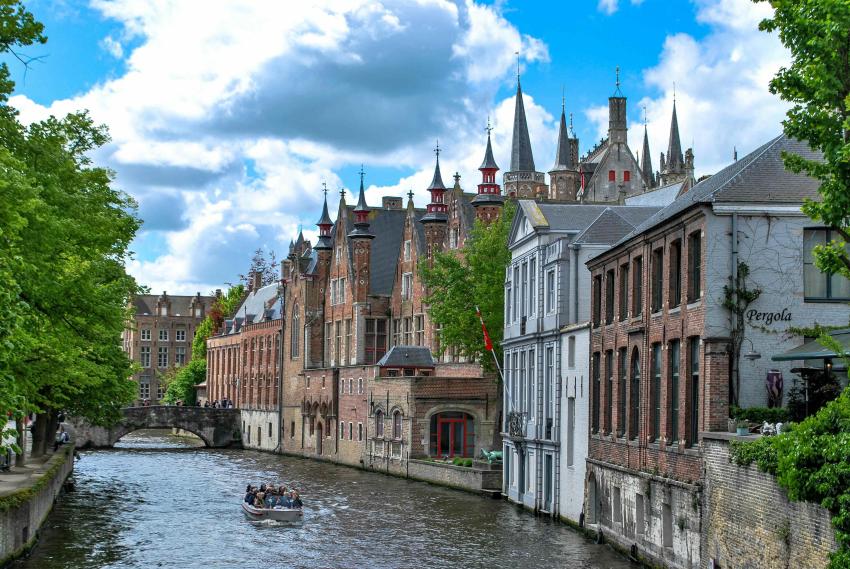
Amsterdam → Belgium → Paris
Feels more balanced, less tourist-heavy in parts
A lot of people try to fit too much. That’s the biggest mistake. Europe looks compact, but travel between cities eats into your day more than you expect.
What You’re Really Getting in Packages
Most Europe trip packages include:
Flights from India
Visa support
Hotels (usually standard, not luxury unless specified)
Intercity travel
Some guided tours
Breakfast, sometimes dinner
What often gets left out:
Local metro or bus passes
Entry tickets to smaller attractions
Free time that’s actually usable
That last part matters. Some itineraries look great on paper but feel rushed in reality.
Highlights
The visa process becomes simpler
Routes are already tested and practical
Less stress around bookings
Costs are more predictable
Helpful if it’s your first Europe trip
Cost Reality Check (2026)
Europe isn’t getting cheaper. A typical trip from India lands somewhere between ₹1.8 lakh and ₹3.5 lakh per person for around 8–10 days.
When you go matters:
May to July → crowded and expensive
December → festive, but pricey
April, September → better balance
Winter (Jan–Feb) is cheaper, but days are short, and some places feel a bit shut down.
When to Go (Without Regret Later)
Summer looks ideal until you’re standing in a one-hour queue outside a museum. Cities like Rome and Paris get packed. If possible, travel in April or September. The weather’s still good, and things move a bit slower. If you’re chasing snow, then Switzerland or Austria works. Coastal cities? Not so much in winter.
Visa Stuff You Can’t Ignore
A Schengen visa sounds simple, but it’s strict. Apply at least 6–8 weeks early.
Basic requirements:
Confirmed itinerary
Hotel bookings
Insurance
Bank statements
Mess this up, and your whole plan stalls. No shortcuts here.
Where Most People Slip Up
Trying to cover too many countries
Ignoring the transfer time between cities
Booking cheap flights with long, messy layovers
Not factoring in walking time
Skipping insurance
Also, Google Maps timings can be misleading when you’re actually there with luggage.
Pro Tip
If you’re doing your own Europe trip planning, don’t just check train duration. Add time for hotel check-out, reaching the station, waiting, and then getting to your next hotel. A “2-hour journey” often turns into half a day.
So, Are Packages Worth It?
For travellers from India, especially first-timers, they do help. Less stress, fewer moving parts, and someone else handles the coordination. But they’re not perfect. You trade flexibility for structure. If you like exploring slowly, custom plans work better. If you want things sorted in advance, packages make life easier.
Final Thought
Europe trips don’t fail because of bad destinations. They go off-track because of poor pacing. Too many cities, too little time, and no breathing room.
Whether you go with Travel Junky or plan it yourself, keep it simple. Pick fewer places, give them time, and don’t try to “complete” Europe in one go. It’s not going anywhere.