Pharmacies stock fermented herbal preparations the way other states stock paracetamol. Local doctors write prescriptions in Sanskrit. Families have household remedies that predate modern medicine by centuries and are still used. It's an environment where Ayurveda Kerala makes practical, geographical, and cultural sense, not as a retreat concept imported from somewhere else, but as something that genuinely belongs to the place.
Travel Junky has been tracking wellness routes across South Asia for a while now. The good Kerala tour packages are inspired by actual visits, conversations with practitioners, and feedback from travelers who went back a second time, not star ratings scraped from booking platforms.
Why Kerala and Not Somewhere Else
The humidity isn't a complaint here; it's the point. Kerala's climate, particularly in the weeks running up to and following the monsoon, creates conditions where oils absorb differently into skin and tissue. Practitioners have known this for centuries. The karkidaka month, mid-July through mid-August, is when the most intensive detox work happens, and the good facilities plan their programs around it. Ask any resident physician, and they'll bring this up unprompted. That's worth paying attention to.
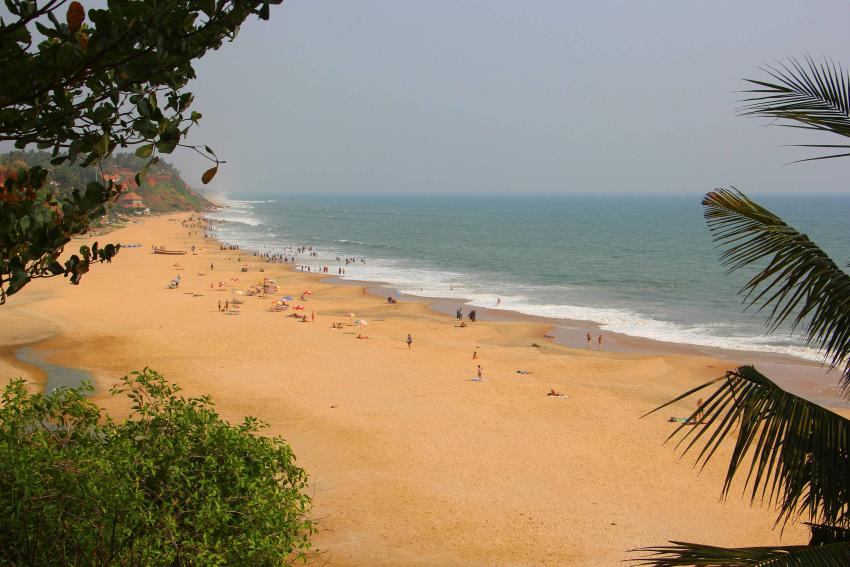
The state itself isn't uniform. The coastal south, Kovalam, Varkala, has organized itself heavily around foreign visitors and runs a pretty polished wellness tourism circuit. The midlands around Thrissur and Palakkad are more clinical, less curated. Wayanad, sitting up in the hills, draws a different kind of patient, people dealing with stress, respiratory issues, and sleep disorders. What's on offer genuinely shifts with the geography.
Panchakarma: Strip Away the Marketing
The word gets thrown around a lot. What Panchakarma treatment Kerala actually refers to is a five-procedure detoxification system, emesis, purgation, enema, nasal cleansing, and bloodletting, not all of which get prescribed to every person. A legitimate program starts with a physician consultation, a prakriti assessment to map your body constitution, and a treatment plan built around those findings. Real programs run seven to twenty-one days. The "Panchakarma weekend experience" being sold at some coastal resorts is mostly pleasant and largely irrelevant to the actual therapy.
What to look for: a facility with resident BAMS-qualified physicians, proper intake documentation, and a treatment schedule that changes based on how your body is responding. Kerala's government certification has tightened standards somewhat, but the gap between facilities remains wide.
Picking the Right Place to Stay
Ayurvedic resorts in Kerala aren't a uniform category. Some are hospitals with nicer rooms. Some are hotels with an oil massage on the menu. The difference matters enormously if you're coming for a real program.
On the serious end, Kairali near Palakkad, Somatheeram down in Kovalam, Sitaram Beach Retreat outside Thrissur, you're looking at functional medical departments, proper physician oversight, and treatment schedules that don't bend around your sightseeing plans. These aren't cheap. But the structure holds.
Smaller guesthouses throughout the Alleppey-Kumarakom backwater corridor can also work well, especially if the supervising practitioner has deep experience. A modest room under a skilled vaidya often beats a luxury property where wellness is essentially an amenity department. Room category and treatment quality have almost no correlation here.
Highlights Worth Noting
Kottakkal Arya Vaidya Sala: One of the oldest functioning Ayurvedic institutions in the country. Accepts outpatient consultations and inpatient stays. Not a resort.
Wayanad Hill Circuit: Cooler air, lower patient volumes, smaller practitioner-run retreats. Less polished, often more serious.
Alleppey Backwater Belt: Slower pace post-treatment. Houseboat extensions work well during recovery phases.
Thrissur-Palakkad Corridor: Traditional vaidya family lineages, clinical orientation, minimal tourism packaging.
Kovalam / Varkala: Accessible, internationally comfortable, good entry point for first-timers.
Getting the Timing Right
Monsoon season, June through August, is when the serious treatment windows open. Post-monsoon into early winter is fine for shorter programs. November through February is peak season across the board: more visitors, tighter availability, higher prices. If you're working with Kerala tour packages, check whether the itinerary allows flexible program entry. Ayurvedic treatment schedules run on the body's timeline, not a departure calendar, and most fixed departure packages don't account for that at all.
Pro Tip:
Before you confirm any booking, ask to schedule the physician consultation first. A legitimate facility will treat this as a requirement, not an optional add on. If they're happy to book your treatments before that conversation happens, the wellness program is decoration.