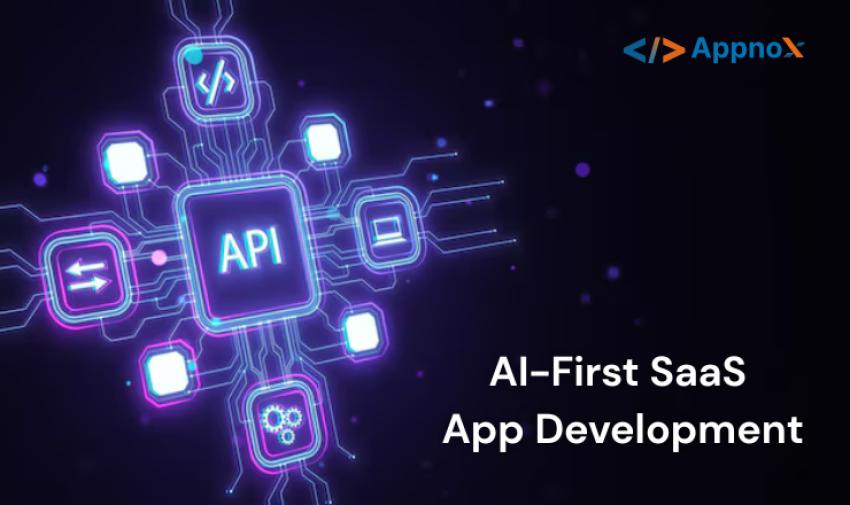
The SaaS industry is rapidly evolving as artificial intelligence becomes a core component of modern software solutions. Traditional SaaS platforms are no longer limited to providing cloud-based services, they are now transforming into intelligent systems capable of automation, prediction, personalization & autonomous decision-making. This shift has given rise to AI-first SaaS app development, where artificial intelligence is integrated into the foundation of the platform rather than added as an optional feature.
AI-first SaaS applications help businesses streamline operations, improve customer experiences, reduce manual workloads & gain valuable insights from real-time data. From smart automation to predictive analytics & AI-powered virtual assistants, these platforms are redefining how companies operate in the digital era.
As businesses continue adopting intelligent technologies in 2026, AI-powered SaaS platforms are becoming essential for organizations aiming to improve scalability, efficiency & competitive advantage.
What Is an AI-First SaaS Platform?
An AI-first SaaS platform is a cloud-based software solution designed with artificial intelligence at its core architecture. Unlike traditional SaaS applications that rely heavily on manual processes & static workflows, AI-first platforms continuously learn, adapt, & automate tasks using advanced technologies such as machine learning, NLP & predictive analytics.
These platforms are capable of analyzing large amounts of data, identifying patterns & making intelligent recommendations without requiring constant human intervention. AI-first SaaS applications can automate customer support, personalize user experiences, optimize workflows, detect anomalies & improve business decision-making in real time.
Examples of AI-first SaaS solutions include intelligent CRM systems, AI-powered analytics platforms, automated marketing software, virtual collaboration tools, & smart enterprise management systems. Their ability to self-improve & automate operations makes them highly valuable for modern businesses.
Why AI-Driven SaaS Platforms Are Dominating in 2026
AI-driven SaaS platforms are becoming dominant in 2026 because businesses increasingly demand smarter, faster & more efficient digital solutions. Companies are no longer satisfied with basic cloud software, they expect platforms that can automate repetitive tasks, generate insights & improve productivity with minimal human effort.
One major reason behind this growth is the increasing availability of AI technologies & cloud infrastructure. Businesses can now integrate advanced AI capabilities into SaaS applications more easily & cost-effectively than ever before.
Another key factor is customer expectations. Modern users prefer personalized experiences, instant support & intelligent recommendations. AI-driven SaaS platforms deliver these features through automation, predictive analysis & real-time decision-making.
Additionally, organizations are leveraging autonomous SaaS systems to reduce operational costs, enhance data accuracy, improve customer retention & scale business operations more efficiently. As AI technology continues to advance, AI-powered SaaS platforms are expected to become the standard for digital business operations across industries.
Key Features of Autonomous SaaS Applications
Autonomous SaaS applications combine cloud technology with artificial intelligence to deliver smart, scalable, & self-operating software solutions. These platforms include advanced features that improve automation, efficiency & user engagement.
Intelligent Automation
AI-powered automation reduces manual tasks by handling workflows, data processing, scheduling & repetitive operations automatically.
Predictive Analytics
Autonomous SaaS platforms use machine learning algorithms to analyze data patterns & predict future outcomes, helping businesses make data-driven decisions.
AI Chatbots & Virtual Assistants
Integrated AI assistants provide instant customer support, answer queries & improve user interactions 24/7.
Personalized User Experiences
AI systems analyze user behavior & preferences to deliver customized recommendations, content & services.
Self-Learning Capabilities
These applications continuously improve performance by learning from user interactions & real-time data.
Real-Time Data Processing
AI-first SaaS platforms can process & analyze large volumes of data instantly, enabling faster decision-making & operational efficiency.
Smart Workflow Optimization
Autonomous systems identify inefficiencies & automatically optimize workflows to improve productivity.
Scalable Cloud Infrastructure
Modern SaaS applications are built on scalable cloud environments that support business growth & handle increasing user demands efficiently.
These advanced features make autonomous SaaS platforms highly valuable for businesses looking to accelerate digital transformation & stay competitive in 2026.
Benefits of AI-First SaaS App Development
AI-first SaaS app development offers significant advantages for businesses aiming to improve efficiency, scalability, & customer engagement. By integrating artificial intelligence into the core architecture of SaaS platforms, companies can automate complex processes, reduce operational costs & deliver smarter user experiences.
One of the biggest benefits is intelligent automation. AI-powered SaaS applications can manage repetitive tasks such as customer support, data processing, workflow management & reporting with minimal human intervention. This helps businesses improve productivity while reducing manual errors.
Another major advantage is personalized user experiences. AI systems analyze user behavior, preferences, & interactions to provide tailored recommendations & customized services. This increases customer satisfaction, retention, & engagement.
AI-first SaaS platforms also offer predictive analytics, allowing businesses to forecast trends, optimize operations, & make data-driven decisions in real time. Additionally, these applications are highly scalable, enabling organizations to adapt quickly to changing business demands & market conditions.
Industries Adopting Autonomous SaaS Platforms
Autonomous SaaS platforms are rapidly transforming multiple industries by improving efficiency, automation & decision-making capabilities.
Healthcare
Healthcare organizations use AI-powered SaaS applications for patient management, predictive diagnostics, telemedicine & medical data analysis.
Finance & Banking
Financial institutions leverage AI SaaS platforms for fraud detection, automated customer service, risk assessment & intelligent financial analytics.
E-Commerce
E-commerce businesses use autonomous SaaS solutions for personalized product recommendations, inventory management, customer engagement & marketing automation.
Education
Educational institutions adopt AI-powered learning management systems, virtual tutoring platforms, & automated student assessment tools.
Real Estate
Real estate companies use AI-driven SaaS platforms for property management, lead generation, predictive pricing & customer relationship management.
Logistics & Supply Chain
AI SaaS applications help optimize delivery routes, warehouse management, inventory forecasting & operational efficiency.
Hospitality & Travel
Hotels & travel businesses utilize intelligent SaaS platforms for booking management, customer personalization & automated support services.
As AI adoption continues to grow, autonomous SaaS platforms are becoming essential across nearly every industry.
Essential Technologies Behind AI-Powered SaaS Apps
The success of AI-powered SaaS applications depends on advanced technologies that enable automation, intelligence, scalability & real-time data processing.
Machine Learning
Machine learning algorithms help SaaS applications analyze data, recognize patterns & improve performance through continuous learning.
Natural Language Processing
NLP allows AI systems to understand & respond to human language, enabling chatbots, virtual assistants & voice-based interactions.
Generative AI
Generative AI technologies create content, automate workflows, generate recommendations, & enhance user engagement.
Cloud Computing
Cloud infrastructure provides scalability, flexibility, & secure data storage for SaaS applications.
Big Data Analytics
Big data technologies process large volumes of information to generate valuable business insights & predictive analysis.
API Integrations
APIs connect SaaS platforms with third-party tools, payment gateways, CRMs, & enterprise systems for seamless functionality.
DevOps & Automation
DevOps practices improve development speed, deployment efficiency & application maintenance.
Together, these technologies form the foundation of modern AI-first SaaS platforms.
AI-First SaaS Development Process
Developing an AI-first SaaS application requires a strategic approach focused on scalability, performance & intelligent automation.
Requirement Analysis
The development process begins with understanding business goals, target users & AI functionality requirements.
Market Research & Planning
Developers analyze industry trends, competitors & customer expectations to define the project roadmap.
UI/UX Design
A user-friendly & intuitive interface is designed to improve customer engagement & accessibility.
AI Model Integration
Machine learning models, NLP systems & automation tools are integrated into the platform architecture.
Backend & Cloud Development
Scalable backend systems & cloud infrastructure are developed to support high performance & data management.
Testing & Quality Assurance
Comprehensive testing ensures application security, scalability, speed & AI accuracy.
Deployment & Maintenance
After launch, continuous monitoring, updates, & AI optimization help maintain platform performance & user satisfaction.
A well-structured development process ensures the creation of reliable & future-ready AI SaaS platforms.
Security & Compliance in AI SaaS Applications
Security & compliance are critical aspects of AI SaaS app development because these platforms handle sensitive business & customer data.
AI-powered SaaS applications must implement strong encryption protocols, secure APIs & advanced authentication methods to protect user information. Features such as multi-factor authentication, role-based access control & real-time threat monitoring help prevent cyber threats & unauthorized access.
Compliance with global data protection regulations such as GDPR, HIPAA & SOC 2 is also essential for maintaining trust & avoiding legal risks. Businesses must ensure transparency in AI decision-making & adopt ethical AI practices to reduce bias & maintain accountability.
Regular security audits, cloud protection measures & automated monitoring systems further strengthen application security & reliability.
Challenges in AI SaaS App Development and Their Solutions
AI SaaS development comes with several technical & operational challenges that require strategic solutions.
Data Privacy & Security
Handling large amounts of sensitive data increases cybersecurity risks.
Solution:
Implement strong encryption, compliance frameworks & secure cloud environments.
High Development Complexity
AI integration requires advanced technical expertise & infrastructure.
Solution:
Work with experienced AI SaaS developers & use scalable cloud technologies.
AI Model Accuracy
Poor-quality data can impact AI performance & predictions.
Solution:
Use high-quality datasets, continuous training & performance monitoring.
Scalability Issues
Growing user demands can affect application performance.
Solution:
Adopt cloud-native architecture & scalable infrastructure solutions.
User Adoption Challenges
Users may hesitate to trust AI-powered systems initially.
Solution:
Focus on intuitive design, transparency, & personalized user experiences.
By addressing these challenges effectively, businesses can build reliable & high-performing AI SaaS platforms.
Cost of Developing an AI-First SaaS Platform
The cost of developing an AI-first SaaS platform depends on several factors, including application complexity, AI capabilities, platform features, cloud infrastructure, integrations & development timelines.
Basic AI SaaS applications with limited automation features may require moderate investment, while enterprise-level autonomous platforms with advanced AI models, analytics & automation systems involve higher development costs.
Other cost factors include:
UI/UX design complexity
Third-party API integrations
Security & compliance implementation
Cross-platform compatibility
Cloud hosting & maintenance
AI model training & optimization
Although AI SaaS development requires a substantial investment, the long-term ROI is highly beneficial due to automation, operational efficiency & increased customer engagement.
Future Trends in AI-Powered SaaS Development for 2026
AI-powered SaaS development is expected to evolve rapidly in 2026 as businesses continue embracing intelligent automation & digital transformation.
Some key future trends include:
Hyper-personalized AI experiences
Autonomous workflow automation
Generative AI integration
Voice-enabled SaaS applications
AI-driven cybersecurity systems
No-code & low-code AI platforms
Real-time predictive analytics
Industry-specific AI SaaS solutions
Advanced AI copilots & virtual assistants
Sustainable & energy-efficient cloud infrastructure
These innovations will make SaaS platforms more intelligent, adaptive & business-focused in the coming years.
Why Choose a Professional SaaS App Development Company
Building an AI-first SaaS platform requires deep expertise in artificial intelligence, cloud architecture, scalability & user experience design. Partnering with an experienced development company ensures high-quality solutions tailored to your business objectives.
Appnox for SaaS App Development Services specializes in developing scalable, secure, AI-powered SaaS applications for modern businesses. From product strategy & UI/UX design to AI integration & cloud deployment, Appnox delivers end-to-end SaaS development solutions that support innovation & long-term growth.
Conclusion
AI-first SaaS app development is transforming the future of digital business operations by combining cloud technology with intelligent automation & real-time decision-making. Autonomous SaaS platforms are helping organizations improve efficiency, personalize user experiences, reduce operational costs & scale faster than traditional software solutions.
As businesses continue adapting to evolving market demands in 2026, investing in AI-powered SaaS applications will become increasingly important for maintaining competitiveness & driving innovation. Companies that embrace intelligent SaaS technologies today will be better positioned to lead the next generation of digital transformation.