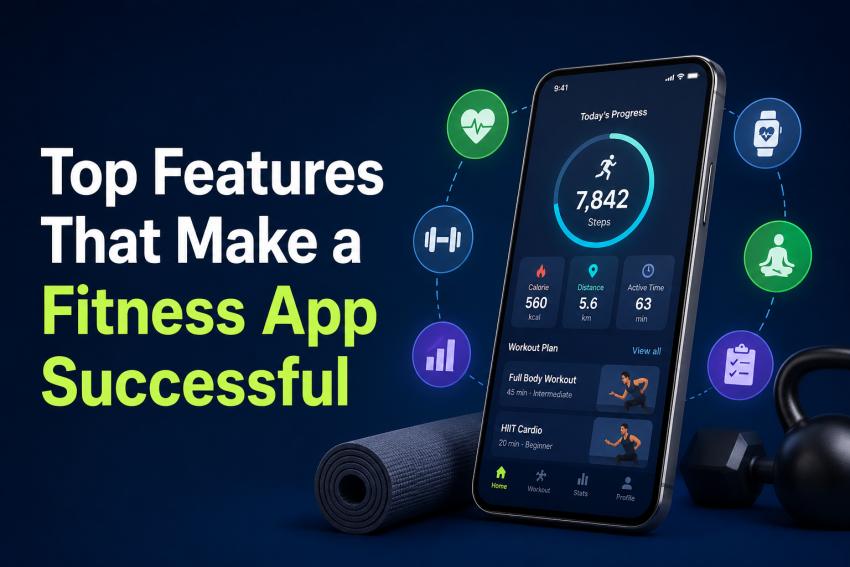
The fitness app market continues to grow rapidly as more people prioritize health, convenience, and personalized wellness solutions. In 2026, fitness apps are no longer limited to step tracking or calorie counting, they have evolved into intelligent platforms that offer real-time insights, virtual coaching, and seamless integration with wearable devices. To stand out in this competitive space, businesses must focus on incorporating the right features that enhance user experience and deliver measurable results.
Let’s explore the top features that define a successful fitness app in 2026.
1. Personalized Workout Plans
One-size-fits-all approaches no longer work in modern fitness applications. Users expect customized workout plans tailored to their fitness levels, goals, and preferences. By leveraging AI and user data, apps can create personalized routines that adapt over time, ensuring better engagement and results.
2. AI-Powered Virtual Coaching
Artificial Intelligence is playing a key role in transforming fitness apps. AI-powered virtual coaches can guide users through workouts, correct posture using motion tracking, and provide real-time feedback. This creates an experience similar to having a personal trainer without the added cost.
3. Wearable Device Integration
In 2026, integration with wearable devices like smartwatches and fitness trackers is essential. This feature tracks metrics such as heart rate, calories burned, sleep patterns, and activity levels in real time. Seamless synchronization ensures accurate data tracking and a more comprehensive view of user health.
4. Real-Time Activity Tracking
Successful fitness apps provide real-time tracking of workouts and daily activities. Features like GPS tracking for running or cycling, step counters, and workout timers help users stay motivated and monitor their progress effectively.
5. Nutrition and Diet Planning
Fitness is not just about exercise—it also involves proper nutrition. Modern fitness apps include diet plans, calorie tracking, and meal suggestions based on user goals. Some apps even use AI to recommend personalized meal plans, making it easier for users to maintain a balanced lifestyle.
6. Gamification Features
Gamification is a powerful way to boost user engagement. Features like rewards, badges, challenges, and leaderboards encourage users to stay consistent with their fitness routines. Social sharing options also help users compete with friends and stay motivated.
7. On-Demand Video Workouts
Video-based workouts are a must-have feature in fitness apps. Users can access guided sessions for yoga, strength training, cardio, and more. High-quality video content with expert trainers enhances user experience and makes workouts more effective.
8. Progress Tracking and Analytics
Tracking progress is crucial for maintaining motivation. Fitness apps should provide detailed analytics, including workout history, performance reports, and goal tracking. Visual dashboards and insights help users understand their improvements over time.
9. Community and Social Features
Building a sense of community keeps users engaged. Features like discussion forums, group challenges, and social sharing allow users to connect with like-minded individuals. This sense of belonging can significantly improve retention rates.
10. Push Notifications and Reminders
Timely reminders play a key role in maintaining consistency. Push notifications for workout schedules, hydration reminders, and goal updates help users stay on track with their fitness journey.
Final Thoughts
Successful fitness app development services combine technology, personalization, and user engagement. By integrating features like AI coaching, wearable connectivity, nutrition planning, and gamification, businesses can create a holistic fitness experience that meets modern user expectations.
As the demand for digital fitness solutions continues to rise, focusing on innovation and user-centric design will be essential for long-term success. Investing in the right features not only improves user satisfaction but also ensures higher retention and scalability in a competitive market.