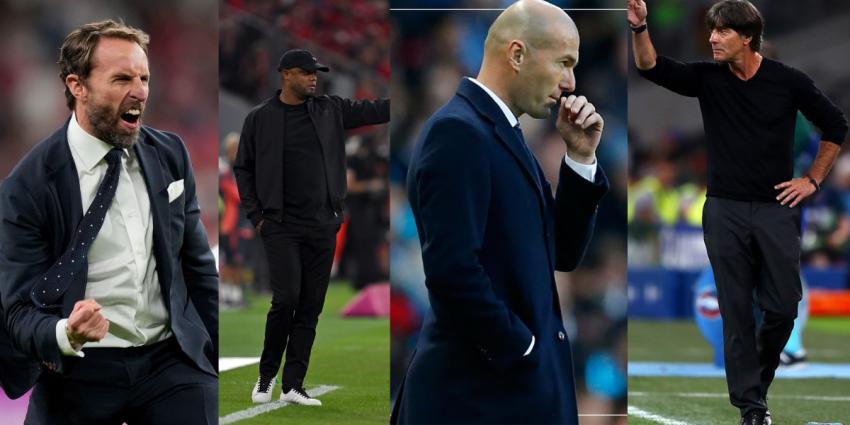
There have always been legends in the world of football. However, in 2026, some of the most iconic people in the game are not those that wear boots. Instead, it is the men in suits who stand in the technical areas clutching clipboards and plotting tactics. The best football managers have become the most stylish men in the sporting world.
The trend is not a surprise, but rather an outcome of several factors converging at once. Social media has amplified football managers' style, while brand partnerships have allowed them to be associated with high-end fashion. Furthermore, the demise of the tracksuit and the rise of a generation of managers who know the importance of style mean that today’s dugouts are the runways of tomorrow.
In this article, we will analyze how football managers became style icons, what style codes they adhere to, and how men can dress like them outside of the dugout.
How the Dugout Dress Code Evolved from Sportswear into Proper Attire
It used to be the case that a football coach’s clothing was the last thing anyone paid attention to. A simple zip-up tracksuit, matching shoes, and even a branded polo shirt would have been deemed completely suitable. No rules were enforced regarding what could be worn, and there wasn’t really any effort made to introduce them.
However, things changed somewhere around the mid-2010s when a new breed of coaches emerged within European football. The individuals in question were people who were not just experienced players but who had lived in big cosmopolitan cities and acquired more fashion sense as well. To such people, being on the touchlines was not work but entertainment.
By 2026, this transformation is all but completed. Today, a match-day outfit worn by a coach of the first division club is often photographed and shared across multiple social media networks. It can then get talked about in menswear publications, and a well-chosen coat will rack up thousands of views long before the game is over.
Moments That Changed The Game for Managerial Fashion
A number of instances helped move things along. First, the rise of smart-casual attire worn on the touchline saw that wearing jackets with open collared shirts became the norm as opposed to sportswear. Secondly, luxury fashion brands started to dress managers in order to take advantage of the marketing power of having an individual that would be shown millions of times per year. Lastly, and probably the most crucial factor in all of this, social media favored managers who wore suits.
Why Football Managers Are the New Icons of Fashion
Fashions have always needed new masculine codes to worship. For many years, athletes themselves were the main conduit through which aspirations in menswear were expressed through sport. Athletes wear jerseys. Athletes wear sponsored apparel. A defender cannot suddenly wear an overcoat in the tunnel because of the kit contract signed by the club.
Football managers function differently. The matchday attire of football managers is something that is essentially left to them to decide. It is not only the visibility of the position but also the autonomy with which football managers can make decisions that makes them powerful icons in fashion.
In 2026, several factors have pushed this further:
• Broadcasting on a global level. The best European football leagues are broadcast to 180 countries nowadays. When a manager with his own signature style occupies the technical area, there will be hundreds of millions of people watching those images year after year.
• Visuals-first content. Social platforms that are optimized for the visual experience favour managers with a distinctive look. Either a coat or a suit become recurring motifs that will be associated by audiences with success on the field.
• Bridging the gap between men's wear and fashion. Women's fashion has long enjoyed the luxury of having its ambassadors among celebrities. Men's fashion is traditionally lagging behind. Football managers have everything it takes to bridge the gap.
• Dressing up in the time of coronavirus. Post-pandemic mentality that promotes thoughtful and conscious purchasing aligns perfectly with the manager style.
The Style Codes That Define the Modern Football Manager
Not all manager style is created equal. There are distinct visual languages being spoken at the top level, and understanding them helps explain why certain individuals have crossed over into genuine fashion icon territory.
The Sharp European
This is the most prevalent style code among managers in Italy, Germany, and Spain. It involves structured tailoring worn with precision. Think fitted suits in dark tones, crisp dress shirts without a tie, leather shoes with subtle detail. The look communicates authority and continental sophistication. It signals that the person wearing it takes both the game and themselves seriously.
The Understated Minimalist
Emerging strongly in 2026, this code rejects ostentation in favour of quality and proportion. Cashmere rollnecks, perfectly cut trousers, clean sneakers, and long overcoats define this aesthetic. There is no visible branding. The investment is in fabric and fit, not logo. This manager understands that restraint is itself a form of confidence.
The Heritage Leather Operator
A growing number of managers have embraced leather outerwear as a signature touchline statement. The leather jacket carries decades of cultural weight: rebellion, authority, cool indifference to the weather. On a football manager, it reads as someone who plays by their own rules while still winning. This look has been amplified by managers who understand that a single iconic outerwear piece, worn season after season, becomes a visual identity stronger than any sponsored tracksuit.
Among those who have brought this leather aesthetic to the forefront of football fashion discourse is Vincent Kompany, whose deliberate and confident approach to personal style has drawn consistent attention from fans and fashion commentators alike. For those interested in replicating that specific aesthetic, this vincent kompany fashion breakdown offers a detailed look at the elements that make his touchline wardrobe so distinctive.
The Managers Setting the Standard in 2026
While we cannot attribute style leadership to any single individual, it is worth examining the collective characteristics that define the managers who have built the strongest fashion reputations in 2026.
The Analytical Dresser
These are managers who approach their wardrobe the way they approach a transfer window: with data, intention, and a clear vision of the outcome. Every piece in their matchday rotation serves a function. They avoid trends, invest in timeless pieces, and build a coherent wardrobe that photographs well in all conditions. Their style does not age because it was never chasing the moment.
The Brand-Aware Manager
A subset of top managers now have formalised relationships with fashion houses. These arrangements go beyond simple endorsement: they involve genuine creative input, bespoke pieces, and alignment between the manager's visual identity and the brand's seasonal direction. In 2026, this category has expanded significantly, with mid-tier as well as elite managers being courted by labels recognising the extraordinary media value of a football dugout.
The Cultural Crossover Figure
The most powerful manager style icons in 2026 are those who exist comfortably in multiple worlds simultaneously. They appear in football publications, yes, but also in general interest magazines, on the front rows of fashion weeks, and in cultural conversations that have nothing to do with the offside trap. This crossover status is rare and requires both genuine aesthetic credibility and a willingness to engage with fashion as a serious discipline rather than a vanity project.
What Everyday Men Can Learn From Manager Style
Football manager style is not aspirational in the traditional sense. These men are not wearing clothes that require a footballer's salary to access. The lessons they offer are about approach, not budget.
Invest in Outerwear as Your Signature
The most visually powerful element in any manager's wardrobe is their coat. A well-chosen overcoat, trench, or leather jacket worn consistently across a season becomes a visual shorthand for the person. Everyday dressing benefits from the same logic: find one or two exceptional outer layers and make them yours. The return on investment in terms of overall appearance is greater here than anywhere else in your wardrobe.
Fit is the Foundation
Every manager whose style earns genuine admiration understands proportion. Trousers that break correctly. A jacket whose shoulders sit exactly right. Shirts that do not pull or balloon. These are not matters of expensive tailoring; they are matters of attention. Good alterations cost less than a new garment and transform the way clothes read on the body.
Build a Coherent Colour Palette
The most stylish managers work within a limited colour range. Navy, charcoal, camel, off-white, and black appear repeatedly in their wardrobes because these tones work in all contexts, photograph well under stadium lighting, and communicate reliability without being dull. Restricting your own palette, rather than chasing seasonal colour trends, is one of the fastest ways to elevate your overall appearance.
Wear Clothes With Conviction
The single most transferable lesson from manager style is confidence. A man who wears clothes as if they were chosen carefully and worn deliberately always looks better than a man who appears uncertain about what he has on. Style is inseparable from posture, presence, and the absence of self-consciousness.
The Role of Social Media in Elevating Manager Fashion
It would be impossible to discuss the rise of football managers as style icons without acknowledging the role that social media plays in amplifying their aesthetic choices. In previous decades, a manager's outfit might be glimpsed briefly in match highlights. Today, every touchline moment is captured in high resolution, shared instantly, and debated in real time.
Instagram and TikTok have created entirely new categories of content around managerial style. Fashion accounts dedicated to grading dugout looks now attract substantial followings. Brands track which managers are generating organic conversation around their products and build relationships accordingly. The touchline has become a content ecosystem.
This amplification has a democratising effect. A manager at a club outside the traditional elite can build a global fashion following simply by dressing with intention and consistency. The audience is already there; the attention is real; the only requirement is a wardrobe that rewards it.
Football Managers and the Leather Jacket Renaissance
The specific types of clothes worn as a part of a manager’s attire in 2026 that can help define his/her style include the leather jacket – the piece of clothing that is unique because of the contrast between its history and modernity.
The leather jacket has already gone through many transformations: from postwar nonconformity to rock and roll, from Hollywood style to high fashion. For the football manager, it means something completely different – it shows that he/she understands the importance of his/her job but is not bound to stereotypes created by society. It combines two qualities – strength and class, which should describe every football manager.
Leather jackets became the matchday staples for several top football managers whose photos became popular on the Internet. This helped it gain status as the piece of men’s smart wear rather than just a symbol of a subculture.
The Commercial Ecosystem Around Manager Fashion in 2026
Fashion's engagement with football management has moved well beyond the ad hoc arrangements of previous decades. In 2026, there is a structured commercial ecosystem supporting the manager-as-style-icon phenomenon.
Top managers now work with dedicated style teams, not just personal shoppers but individuals with genuine fashion industry backgrounds who understand how to build a coherent visual identity across a long season. These teams coordinate with clubs, sponsors, and independent brands to ensure that matchday looks are both authentic to the manager's personal taste and commercially viable.
Meanwhile, the fashion industry itself has restructured to capture this opportunity. High-street retailers have launched ranges explicitly inspired by manager aesthetics. Luxury brands have created limited editions tied to specific managerial partnerships. The secondary market for garments worn by high-profile managers has created a new category of football memorabilia that sits comfortably in both sport and fashion.
How to Build a Manager-Inspired Wardrobe
For anyone looking to incorporate the football manager aesthetic into their own wardrobe, the approach is less about specific pieces and more about developing a philosophy of dressing.
Step One: Define Your Signature
Every manager whose style resonates has one or two signature elements that appear consistently. For some it is a particular cut of suit. For others it is a specific type of outerwear. For others still it is the combination of precision tailoring with unexpectedly casual footwear. Identify what your signature could be and build outward from there.
Step Two: Prioritise Quality Over Quantity
The manager wardrobe philosophy is fundamentally anti-fast-fashion. These are men who return to the same excellent pieces repeatedly. A cashmere coat that looks better with every wearing. Leather shoes that develop character over years. Shirts that hold their structure through a full season. This approach requires a different relationship with spending: fewer purchases, each one considered carefully.
Step Three: Dress for the Occasion You Want, Not the One You Are In
The most stylish managers dress as if the stakes are always high. They do not save their best clothes for special occasions. They treat every matchday, every press conference, and every training ground appearance as an opportunity to reinforce their visual identity. Translating this into everyday life means treating Tuesday with the same sartorial seriousness as Saturday.
Step Four: Understand Your Own Architecture
The manager look works because it respects the physical reality of the person wearing it. Clothes are chosen to flatter the specific build, height, and posture of the individual, not to follow a trend that does not suit them. Understanding your own body and dressing accordingly, rather than purchasing what looks good on a model, is the foundation of everything.
The Future of Football Manager Style Beyond 2026
The trajectory is clear. Football managers will become more deeply integrated into the fashion ecosystem in the years ahead, not less. As global broadcast deals expand the audience for top European football, the visibility of those standing in the technical area will only increase. Brands will continue to invest in managerial partnerships because the return is demonstrably superior to traditional sponsorship.
More interestingly, the influence will flow in both directions. Football management culture is beginning to influence fashion's definition of masculinity: active, purposeful, intellectually engaged, and dressed without vanity. This is a compelling and commercially valuable vision of how men can look and carry themselves, and it will continue to shape collections, campaigns, and cultural conversations for the foreseeable future.
For those watching from the stands, the lesson is already available. You do not need to be a European Cup winner to dress like one. You need intention, quality, and the confidence to wear your choices as if they were the only logical option. That, more than anything, is what the best football managers have always understood about style.
Conclusion
Football managers in 2026 have completed a journey from peripheral figures in club-branded kit to genuine leaders of menswear culture. The combination of global visibility, personal freedom in dressing, social media amplification, and a new generation of managers who take aesthetics seriously has created a phenomenon that extends well beyond sport.
Their style teaches men that authority and elegance are not in conflict. That investment in appearance is a form of respect, both for oneself and for the moments that matter. That a great coat, worn correctly and worn consistently, is worth more than a wardrobe full of disposable pieces.