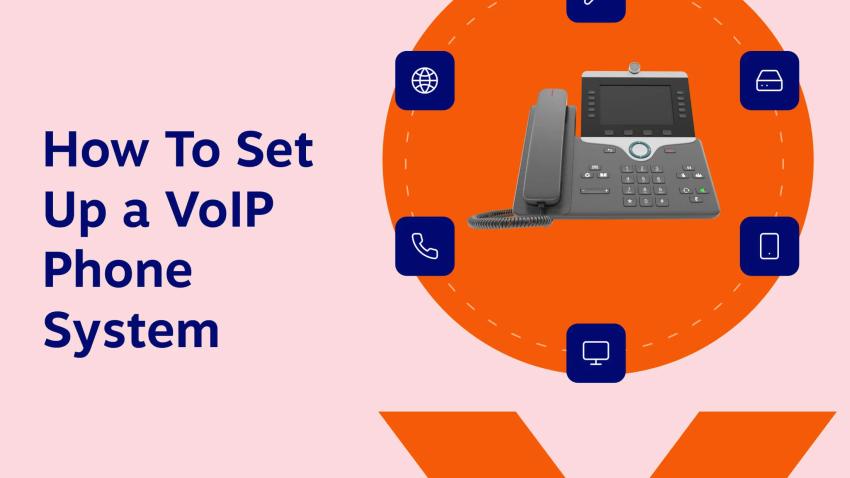
Switching from a traditional phone system to VoIP (Voice over Internet Protocol) is one of the most effective ways to modernize communication while reducing costs and improving flexibility. If you’re wondering how to switch to VoIP from a traditional phone system, the process is easier than most people expect—especially when broken into clear steps.
Unlike landlines that rely on physical copper wiring, VoIP uses the internet to transmit voice calls. This shift eliminates many infrastructure limitations and opens the door to advanced features such as call forwarding, voicemail-to-email, video calls, and mobile integration.
Step 1: Evaluate Your Current Phone System
Before making the switch, assess your existing setup. Identify:
- Number of phone lines in use
- Monthly phone expenses
- Call volume (local, national, international)
- Required features (extensions, IVR, call recording)
This helps you understand what you need when planning how to switch to VoIP from a traditional phone system.
Step 2: Check Internet Readiness
Since VoIP depends entirely on internet connectivity, your network must be reliable. A stable broadband or fiber connection is recommended. For businesses, ensure:
- Adequate bandwidth per user
- Low latency for clear voice quality
- Backup internet option for reliability
Without a strong connection, even the best VoIP system will struggle.
Step 3: Choose the Right VoIP Provider
Selecting a provider is a key step in how to switch to VoIP from a traditional phone system. Look for services that offer:
- Competitive pricing plans
- Scalability for future growth
- Advanced communication features
- Reliable customer support
Many providers also offer free trials, allowing you to test performance before fully committing.
Step 4: Decide on Hardware or Software Setup
You have two main options:
Software-based VoIP:
Use apps on computers or smartphones. This is ideal for remote teams and small businesses.
Hardware-based VoIP:
Use IP phones or adapters for a more traditional office setup.
Many organizations combine both for flexibility.
Step 5: Port Your Existing Numbers
One of the most important steps in how to switch to VoIP from a traditional phone system is number porting. This allows you to keep your existing business numbers so customers don’t experience any disruption.
Step 6: Configure and Test the System
Once set up, configure features such as:
- Call routing
- Voicemail settings
- Auto-attendants
- User extensions
Then run test calls to ensure everything works smoothly before full deployment.
Step 7: Train Your Team
If you’re switching in a business environment, training is essential. Make sure employees understand how to:
- Use VoIP apps
- Transfer calls
- Access voicemail and settings
Proper training ensures a smooth transition.
Final Thoughts
Learning how to switch to VoIP from a traditional phone system is a smart move for any business or individual looking to reduce costs and improve communication efficiency. With the right planning, provider, and setup, the transition can be seamless—and the benefits long-lasting.