Hot tubs can carry germs fast when the water slips out of balance. The CDC says hot tubs should keep pH between 7.0 and 7.8. It also says hot tubs need at least 3 ppm free chlorine.
So, when jets sputter or water turns cloudy, a quick “patch” often fails. This guide shows how a homeowner can pick hot tub services in South Eastern KY that actually solve the cause.
1) Start by Hot Tub Services in South Eastern KY, naming the real problem
First, a smart choice starts with clear symptoms. Otherwise, a tech may guess. That can waste money fast. So, the owner should write down what changed. Also, note when it started. Then share that list before any work begins.
For example, heat issues are often linked to water flow. Cloudy water can be linked to a weak sanitiser. Odd smells can point to low chlorine. Yet, some issues stack together.
Next, a good company asks follow-up questions. They should ask about use, bather load, and recent chemical adds. If they don’t ask, that’s a red flag. Finally, the owner should request a plan, not just a part swap.
2) Check how they test water and document it
Next, the owner should ask how the company tests water. Strips help, but pros should verify key levels. Also, they should record results in writing. That record helps later.
The CDC says hot tubs need pH control and enough disinfectant. It also warns against using cyanuric acid in hot tubs.
A solid tech will explain what each number means. They should also say what caused the drift. Then they should fix the cause, not only the reading.
Look for simple proof like this:
A written test log with pH and sanitiser levels
A clear “before and after” note for each visit
3) Ask how they diagnose heat and flow issues
Then, focus on how they diagnose, not how fast they replace parts. Heat problems can come from low flow. They can also come from sensors or relays. So, a real fix starts with checks.
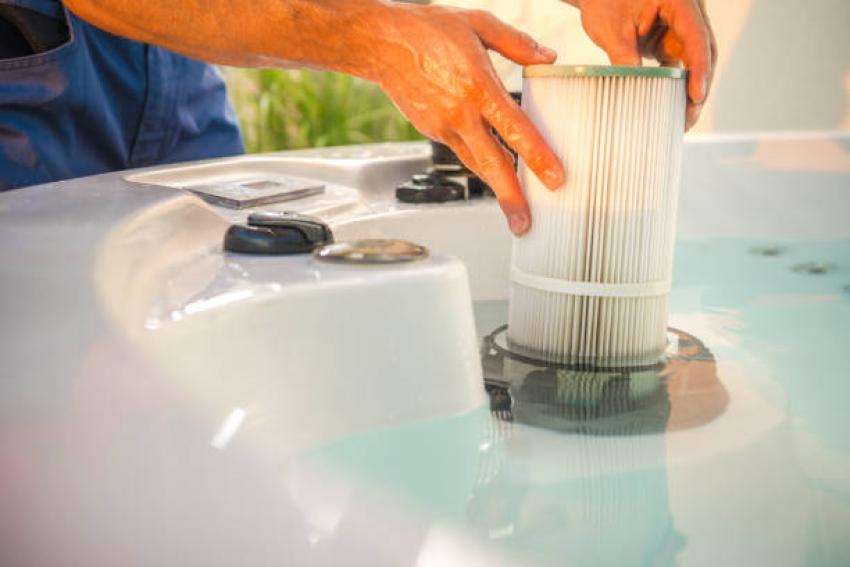
A careful tech will inspect filters first. They will also check for airlocks and weak circulation. Next, they will confirm the control system reads the temperature correctly. Only then should they test the heater and relays.
Some guides note that scale or corrosion can damage heater parts over time. Also, flow problems can shut heaters off for safety.
If a company jumps to “new heater” in minute one, the owner should slow things down.
4) Look for a maintenance plan that prevents repeats
After the first repair, the best service stops the same issue from coming back. So, the owner should ask what changes they recommend. Also, ask what schedule they suggest.
For water ageing, many pros suggest regular drains. A common home rule is every three to four months.
For high bather loads, it may be sooner. Yet, a good plan fits the home’s real use.
A helpful visit often ends with a short checklist like this:
Clean or rinse filters on a set schedule
Shock and test water based on use, not guesswork
5) Confirm they understand scaling, hardness, and TDS
Now, talk about the “silent” stuff that ruins equipment. Scale can choke heaters and jets. Also, high dissolved solids can make water hard to manage.
Industry guidance often puts spa calcium hardness around 150–250 ppm.
Also, ICC guidance explains a TDS limit. It suggests a maximum of about 1,500 ppm above startup TDS.
So, a strong company checks hardness and talks about the buildup risk. They won’t only chase pH. They will also explain why foam keeps showing up. Then they may recommend a drain and refill at the right time. That saves parts and stress.
6) Choose local support that can show real wins
Also, response time matters when a tub is down. That’s why many owners search for nearby help. Moreover, a homeowner can look for hot tub services near South Eastern that show proof of results.
Proof can be simple. It can be photos of repairs, written reviews, or clear warranties. Yet, the owner should read reviews for patterns. For example, do people mention repeat calls? Or do they mention lasting fixes?
Next, the owner should ask about parts access. Local teams often get parts faster. That can cut downtime. Finally, the owner should check if the company offers follow-up testing after repairs.
7) Match the service to the tub’s brand and setup
Meanwhile, not every tech fits every tub. Some tubs use special controls. Others use unique pumps and plumbing. So, the owner should share the brand and model early.
A good company will confirm that they work on that system. They should also explain common failure points for that setup. Then they should bring the likely parts on the first trip.
In one paragraph, the owner can look for South Eastern KY best hot tub services by asking one key question: “What do you do when the first fix fails?” A strong answer includes a re-check, fresh tests, and a clear next step. That mindset prevents repeat bills.
8) Compare quotes by scope, not by the lowest price
Finally, price should not be the only filter. The owner should compare what each quote includes. Also, they should check what the company excludes.
A useful quote lists labour steps, not only parts. It should also list test results and targets. Then it should state any follow-up visit terms. In the content body, the owner can favour hot tub services in South Eastern KY that explain the root cause in plain words. That clear talk usually signals real skill.
If the quote feels vague, the owner should ask for details. If the answers stay fuzzy, they should walk away. A good service makes choices easy to understand.
Conclusion
Choosing the right hot tub service is really about one thing: lasting fixes. So, the owner should look for strong testing, clear notes, and careful diagnosis. Also, they should pick a team that teaches simple upkeep habits. When homeowners want steady help and clear answers, they can call Kentucky Pool and Spa.