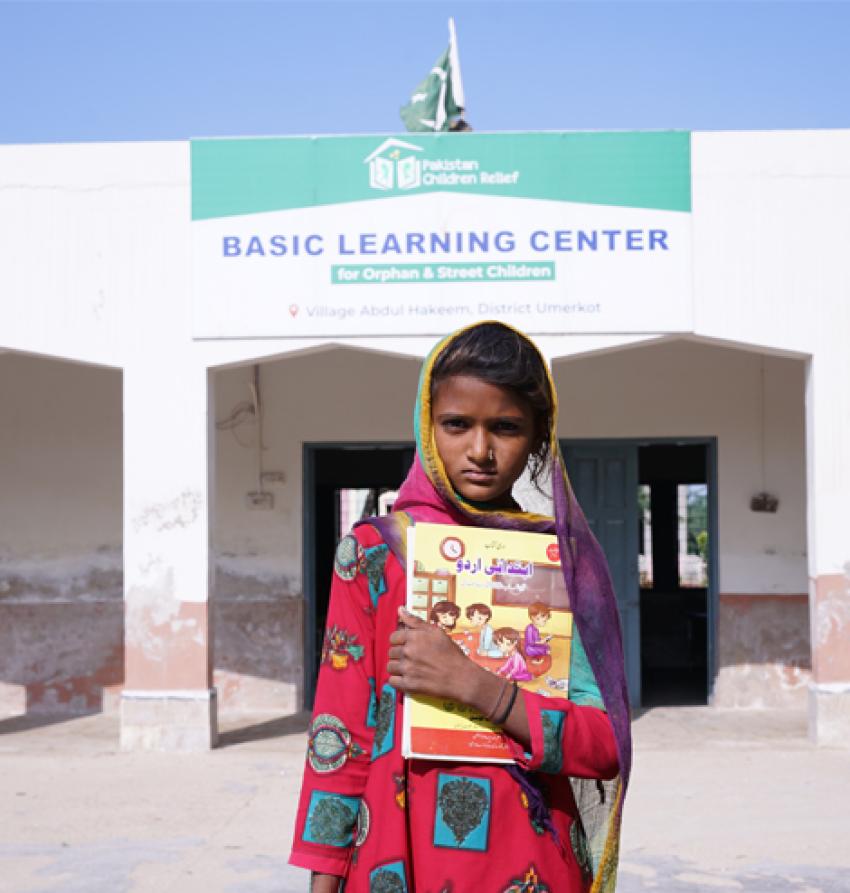
A child's life can shift fast when the right support shows up. In many parts of Pakistan, families face hard choices each day. For example, some parents must pick food over school fees. Others skip doctor visits because travel costs too much. Yet small, steady help can open doors within months. That is why many donors look for clear, proven ways to help children thrive. Pakistan children relief from Michigan often comes up in those searches because people want an impact they can picture. So this post breaks down what can change in just one year. It focuses on practical steps supported by research. It also keeps the spotlight on what readers gain, too: peace of mind, smarter giving, and a real story of change.
Choose Pakistan Children Relief From Michigan To Set The Direction
The first month matters because it builds safety and trust. First, a child needs steady meals and clean water. Then energy returns, and focus improves. Next, adults can track needs with simple check-ins. Also, early screening can spot anemia and growth delays. In Pakistan, child malnutrition remains a major challenge, with high stunting levels reported in national summaries.
Many programs start with basics like:
Regular meals that reduce hunger swings
Clean drinking water to cut stomach illness
Simple health checks for weight, height, and signs of infection
Because hunger steals attention, food support often improves school readiness. Also, fewer sick days can follow when water and hygiene improve. So the first 30 days can turn chaos into routine. That routine serves as the basis for learning.
Better Nutrition Can Boost Learning Quickly
Food shapes the brain, and the brain shapes school success. When children eat better, they often show better mood and stamina—also, iron and protein support attention and memory. Yet many children in Pakistan face nutrition gaps that hold them back.
School meals can help, especially when families struggle. Research reviews across many countries link school meals with gains in enrollment, attendance, and learning. That matters in a one-year window because attendance drives progress.
"A full stomach helps a child sit still, listen, and try again."
Also, the Pakistan children relief from Michigan can reduce stress at home. Then parents may feel less pressure to send children to work. So meals can protect both health and education at the same time.
Getting Back Into School, and Staying There
School changes a child's options, but getting in can be hard. Some children lack uniforms, books, or safe transport. Others missed early grades and feel embarrassed. Yet support can lower these barriers fast.
Pakistan has a very large number of out-of-school children, as reported by UNICEF and related education profiles. So, re-entry plans matter. First, children need simple placement tests. Then teachers can match lessons to skill level. Also, catch-up classes can rebuild confidence.
Helpful tools often include:
School supplies and basic fees support
Attendance tracking with quick follow-up
Parent meetings that explain long-term benefits
Because school success depends on consistency, a one-year plan should protect daily attendance. Also, a safe, welcoming classroom can keep a child from dropping out again.
Health Support That Stops Small Problems From Growing
A mild illness can turn into a major setback without proper care. First, basic checkups can spot infections early. Then, simple treatments can prevent missed school days. Also, vision checks can change everything. A child who sees the board learns faster.
Some programs include deworming, where worms are common. The World Health Organization notes that regular deworming supports health and nutrition and can link to better enrollment and attendance. At the same time, scientific debates continue about the size of education gains in some studies. Still, many public health teams use deworming because it is low-cost and practical.
Safe Water and Hygiene Create More "School Days"
Water and hygiene sound simple, yet they shape daily life. Dirty water often leads to diarrhea, and diarrhea drains energy. Then kids miss class and fall behind. Also, frequent illness can weaken growth over time.
So, the Pakistani children relief from Michigan often includes:
Safe drinking water access or purification helps
Handwashing routines at home and school
Clean toilets that protect dignity, especially for girls
Because girls often leave school at puberty without access to safe facilities, sanitation can help increase attendance. Also, clean spaces reduce shame and fear. Then, children participate more in class. So hygiene support becomes learning support.
Even small upgrades can have an immediate effect. For example, soap and a handwashing station can cut the spread. Also, a hygiene lesson can ripple through siblings. So one child's support can help a whole home.
A Year Plan Works Best With Clear Milestones
Change feels real when it is measured. So a simple timeline helps donors and families see progress. Also, clear milestones reduce waste and confusion. The table below shows what a practical one-year path can look like. Also, milestone tracking supports accountability. Then, helpers can adjust quickly if a child struggles. That keeps the plan realistic.
Within this kind of structure, Pakistani children relief from Michigan can serve as an example of the organized approach people seek. However, the real driver is the method: goals, follow-up, and steady support.
Family Strength Changes the Child's Odds
A child lives within a family system, not just a school system. So a one-year shift often includes caregiver support. First, parents may need help with budgeting and planning. Then school costs feel less shocking. Also, guidance about child rights can reduce harmful work pressure.
Small changes that add up:
Home routine: Regular sleep and study time help learning stick.
Parent engagement: A quick weekly check can improve attendance.
Stress support: Simple counseling lowers conflict and fear.
Because poverty raises stress, families may react with anger or withdrawal. Yet support can replace panic with planning. Also, when parents trust a program, they follow through more. So the child benefits from stability.
Skills and Confidence That Last Beyond the Year
One year can build skills that keep growing. First, basic reading unlocks the rest of the subjects. Then, math skills help with life tasks and later jobs. Also, social skills matter for teamwork and leadership.
Practical skill-building often includes:
Reading practice with simple story books
Math games that make numbers less scary
Life skills like hygiene, safety, and communication
Because confidence fuels effort, children need wins they can feel. So teachers and mentors can celebrate little progress. Also, a child who feels capable takes healthier risks. Then goals grow bigger. Yet the one-year view stays simple: more school days, better reading, and stronger health. Those wins can reshape a future path.
A year from now, what story could a child tell?
A child could talk about reading a full page alone. Also, that child could describe fewer sick days and more friends. Then a parent could share relief about school costs and meals. These changes can occur within 12 months when support remains steady and practical. So, careful, informed giving can matter.
For business owners who value results, the WIIFM is clear. Smart help reduces guesswork and builds real trust. It also turns compassion into measurable progress. And if the goal stays focused on children's basics first, a path can open fast—just like the work often described under Pakistan Children Relief.