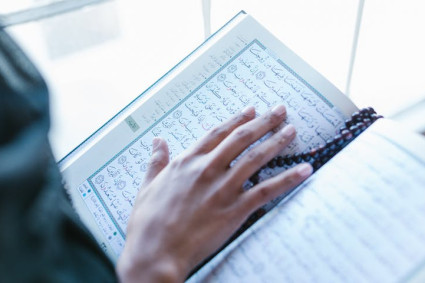
Observed by millions of Muslims around the globe, fasting throughout Ramadan is among the main pillars ofIslam. Islam, meanwhile, is a compassionate and simple religion appreciating that not everyone is physically fit to fast. The idea of Fidya donation offers a sensible solution in these circumstances. By helping those in need, it lets people who cannot fast for legitimate reasons meet their responsibility.
This behaviour captures the spirit of compassion, kindness, and community support that Ramadan stands for. Rather than feeling isolated, those not permitted to fast can still share in the benefits of the month by means of giving. Knowing how Fidya operates and who it affects helps guarantee that this significant obligation is faithfully carried out with sincerity and intention, therefore changing others' lives in a good direction.
What Is Fıdiya?
One type of recompense is fidya. It is permitted if someone is unable to fast during Ramadan for good reasons. They nourish someone in need for every missed fast rather than fasting. The aim is to make sure the commitment is yet honoured in a significant manner. Fidya is not a penalty. Islamic teachings offer a remedy for those unable to fast.
Who Needs To Pay Fidya?
Fidya is for people unable to fast and are not expected to make up the fast later. This comprises senior people too feeble to fast. It also applies to individuals with chronic illnesses. Fidya then becomes their means of fulfilling their responsibility if someone's situation is unlikely to get better. Generally speaking, Fidya is not available in temporary situations. Missed quicks should be compensated for later under those circumstances.
Fidya vs. Kaffarah
Many times, people confuse Fidya with Kaffarah. Still, they are not alike. Fidya applies when someone cannot fast owing to legitimate justifications. Kaffarah is used when someone willfully stops a fast without a good reason. Usually, kaffarah calls for a longer fast or more people fed. To guarantee the appropriate responsibility is met, onemust grasp this distinction.
How Should Fidya Be Paid?
The amount of fidya is determined by feeding one person per missed fast. Offering a meal or its cost can help one to achieve this. Depending on the region and living expenses, the specific figure may differ. Many companies offer advice on the current Fidya levels. Making sure the quantity supplied will offer a decent meal is paramount.
When Should Fidya Be Given?
One could offer Fidya either during Ramadan or afterwards. Some people would rather provide it every day. Others choose to pay the full price at once. Either strategy is fine. The secret is to make sure it is sent genuinely and reaches those who need it. Though not only for Ramadan, giving might have additional spiritual worth.
Who May Get Fidya?
People in need should receive fidya. This includes underprivileged and vulnerable people. It may be granted straight or via reputable nonprofits. The objective is to make sure that people fighting financially get assistance. Appropriatedistribution guarantees Fidya's aim is met. Assisting others in need fosters compassion and tightens social ties.
Can Fidelia Be Compensated In Cash?
Indeed, fidya can be presented in currency. The same cost can be donated instead of giving food directly. Many organisations take Fidya payments and give meals for the benefit of contributors. This technique guarantees good delivery and is easy. Still, the goal should always be to help those who require it the most.
Significance Of Intent And Sincerity
Intention carries a lot of weight in Islam. Fidya should be paid with candour. It goes above and beyond a financial transaction. It's a means of helping others while also satisfying a religious obligation. A genuine intent gives the action spiritual value. It shows duty, compassion, and faith. Giving from a pure heart increases the significance of the deed.
Conclusion
In Islam, fidya is a wise provision. It guarantees that those unable to fast are not overlooked. Rather,r they are provided a significant approach to meet their responsibility. Feeding those in need helps Fidya advance generosity and social support. It reminds us that faith is about assisting other people as well as about personal commitment. Knowing when and how to pay Fidya helps people to confidently and serenely experience their religion.