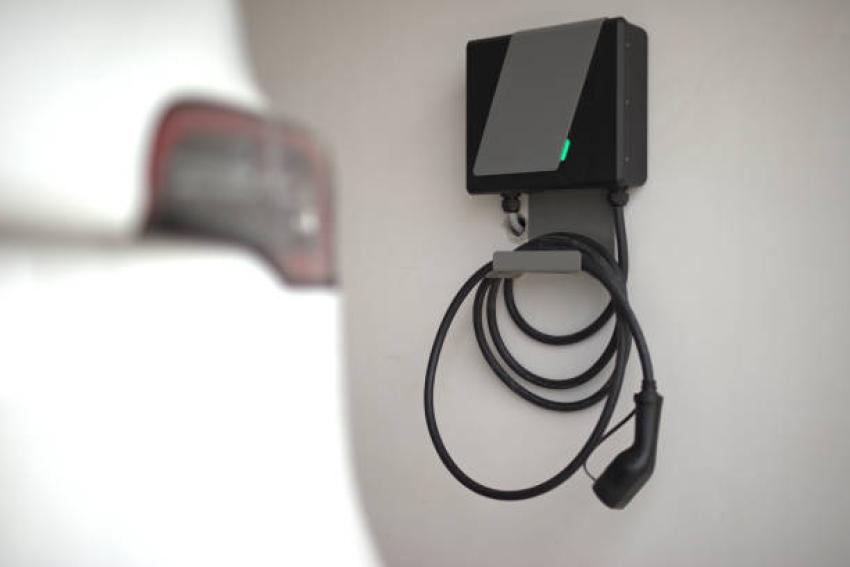
When you buy an EV, charging becomes part of your daily life. The good news is you have options. The tricky part is picking the charger that matches your car, your home, and your budget. Because if you choose the wrong one, you may end up charging too slowly—or paying for power you can’t use.
This guide breaks down the different types of EV chargers you can install. If you’re planning EV charging station installation in Valencia CA, this will help you feel confident before you call an electrician. You’ll learn what each charger does, who it’s best for, and what you should check before you commit.
Start With The Three-Charger Levels For EV Charging Station Installation in Valencia CA
Most chargers fall into three levels. “Level” just means how fast the charger can fill your battery.
So, here’s the simple version:
- Level 1: Slow. Uses a standard wall outlet.
- Level 2: Medium-fast. Uses a 240V outlet (like a dryer plug).
- DC Fast Charging: Very fast. Usually for businesses and public sites.
For EV charging station installation, most homeowners choose Level 2 because it’s the best mix of speed and cost. Meanwhile, many workplaces also choose Level 2, but with more units and smart controls.
Quick idea: Think in “miles added per hour.” Level 1 adds a little. Level 2 adds a lot more. DC fast adds a lot, very quickly, but it costs more to install.
Level 1 Chargers Work In A Regular Outlet
Level 1 charging uses a normal 120V outlet. In many cases, you’re using the cord that came with your car. That’s why Level 1 feels easy.
However, it’s also the slowest option. A common rule of thumb is about 3–5 miles of range per hour of charging. So, if you drive a little each day, it may be enough. Even so, if you often come home to a low battery, Level 1 can feel like waiting forever.
Level 1 Is A Good Fit If:
- You drive short distances most days
- Your car sits parked overnight for 10–12 hours
- You rent and can’t upgrade wiring easily
Tip: Use a dedicated outlet if you can. Also, avoid old or loose outlets because heat is the enemy of safe charging.
Level 2 Chargers Are The Sweet Spot
Level 2 chargers use 240V power. That’s the same “type” of power used by many dryers and ovens. Because the voltage is higher, charging is much faster—often 20–40 miles of range per hour, depending on the charger and the car.
This is where professional EV charging station installation in Valencia CA, really matters. A Level 2 setup may require a new breaker, thicker wire, and, in some cases, a panel upgrade. So, that sounds like a lot, but it’s often straightforward for a licensed electrician.
Common Places Level 2 Makes Sense
- Homes with a garage or driveway
- Offices that want employee charging
- Small businesses that want a few chargers
Also, Level 2 chargers come in different “amp” sizes (like 32A, 40A, 48A). More amps can mean faster charging, but only if your car and electrical system can use it.
Plug-In Vs Hardwired: What’s Better?
This choice matters more than most people think. Both options can work well, but they fit different needs.
Plug-In Chargers
These plug into a 240V outlet (often NEMA 14-50 or similar). They can be easier to swap later. Therefore, they’re popular for people who may move.
Keep in mind: The outlet must be installed correctly and rated for the load. Some cheap outlets can wear out over time.
Hardwired Chargers
These connect directly to your electrical system. So, that means fewer connection points, which can reduce the risk of overheating. Also, many higher-power chargers require hardwiring. If you want the cleanest setup and long-term reliability, hardwired is often the better call. For EV charging station installation in Valencia CA, many electricians prefer hardwired for higher amperage units.
Smart Chargers Vs Basic Chargers: Do You Need Smart?
A “smart” charger connects to Wi-Fi and lets you control it via an app. A “basic” charger charges when you plug it in.
Smart features can be very helpful, but only if you use them. Meanwhile, basic chargers are simple and often cheaper.
Smart Charger Features That Actually Help
- Scheduling: Charge at night when rates are lower
- Tracking: See energy use and cost estimates
- Load sharing: Split power across two chargers (great for two EVs)
- Access control: Limit who can charge (useful at work)
A key term you may hear is load management. That means the charger can adjust power so you don’t overload your panel. If your utility has time-of-use pricing, smart scheduling alone can save money. Because of that, smartness can pay off fast.
DC Fast Chargers Are Usually For Businesses
DC fast chargers are the “road trip” style chargers. They can charge an EV battery from 0% to 80% in a short time, depending on the car. They do this by sending DC power directly to the battery.
However, DC fast chargers are a different league in terms of cost and electrical needs. They often require major electrical service, special equipment, and site planning. Therefore, they’re usually installed at:
- Retail sites and gas stations
- Fleet depots
- Highway corridors
- Large workplaces with heavy use
If you’re a business owner considering this, you’ll want a site assessment first. For EV charging station installation in Valencia CA, this level often involves utility coordination, trenching, and permits. It’s doable—just not a casual weekend project.
Quick Checks To Do Before You Buy
Before you pick a charger, do a few checks. So, this saves time and avoids buying the wrong unit.
A Simple 10-Minute Checklist
- Know your daily miles. More miles usually means Level 2.
- Check where you’ll park. Garage wall? Outdoor post? Long driveway?
- Look at your electrical panel. Is there space for a new breaker?
- Find your car’s max charging rate. Your car may have a speed cap.
- Think about cable length. Too short is a daily headache.
- Decide plug-in or hardwired. Based on power needs and flexibility.
If anything feels unclear, take photos of your panel and parking spot. Then share them with a licensed electrician. That’s often the fastest way to get accurate advice for EV charging station installation.
Charger Type Typical Use Speed Feel Install Effort
Level 1 (120V) Light daily driving Slow Low
Level 2 (240V) Most homes & offices Fast enough Medium
DC Fast (DC) Public & fleets Very fast High
Wrap-Up
The “best” EV charger isn’t the fanciest one. It’s the one that matches your driving, your parking spot, and your electrical setup. Level 1 is fine for light use. Level 2 is the go-to for most people. DC fast is powerful, but it’s mostly for commercial sites and fleets.
So, if you want help choosing a charger or installing it safely, Lariat Electric can be a helpful partner for home and commercial electrical work, including EV charger installations.