Appliances in the home are made to make our everyday lives easier; they allow us to carry out many tasks with ease and efficiency, including cleaning, maintaining and improving our homes. However, when an appliance malfunctions, the ease and convenience of using that appliance can quickly turn into a dangerous situation for the user or others near the user.
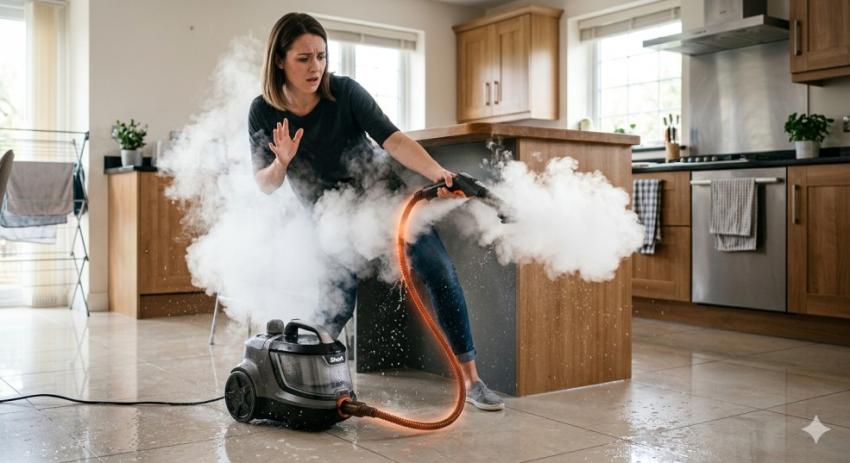
In March 2026, a nationwide recall was announced for Wagner 900 Series Power Steamers after numerous users reported parts of the unit overheating leading to hot water being released unexpectedly either from the nozzle or the spray gun. These types of concerns relate specifically to the fact that when an appliance is being used, it is usually used in close to the user, inside the home without any protective gear, which makes these events very concerning.
Steamers are made to operate at high-temperature and high-pressure conditions to effectively remove dirt; therefore, they provide a great cleaning option for all types of surfaces without the use of any type of cleaning agent. However, it is precisely this same nature of cleaning with steam under pressure and heat that creates a risk for an end-user if not monitored and regulated properly. If there is a malfunction with the temperature regulation or pressure release mechanisms on the steamer, this could put the end-user at risk for burns or other forms of injury.
A major difficulty with consumer electronics is that any faults or defects may not always be apparent to the user right away. A user could be using a product correctly, completely oblivious to the fact that one of the internal parts is malfunctioning or deteriorating. With appliances that generate steam, a tiny imperfect in the hose or nozzle system can cause hot water or steam to be released all of a sudden and with a large amount of force.
The belief that appliances sold for home use are safe for everyday use is another factor impacting the safety of consumers, often without the having to receive any special training before using such appliances. As a result of this, many consumers will rely on the manufacturer's built-in safety measures as if the manufacturer has removed all risk from the design and testing of their product.
Recalls play a key role in addressing these consumer safety issues. Recalls are used to identify and remove all unsafe or potentially dangerous products from the market, while simultaneously notifying all consumers of previously unknown risks. The downside of recalls, however, is that they frequently occur after an incident has already been reported by a consumer. For this reason, there is a risk that a consumer could have already previously experienced injury or near injury prior to the occurrence of any type of recall.
When a recall occurs, the size of the recall can provide an indication of how much exposure could occur. If the recall includes hundreds of thousands of units, then it’s likely to have been used extensively in various environments including homes and professional environments. The widespread distribution indicates the need for prompt communication to consumers with clear instructions on what to do.
In addition to safety-related issues of a recalled product, defective products may cause other costs or consequences such as damage to property or additional unanticipated costs. For example, the user may face financial and logistical challenges replacing damaged property, making repairs, and/or receiving medical attention.
As consumer technologies continue to advance and new products continue to be introduced to the marketplace, the complexity of the products people are using in their homes increases. This further increases the need for ongoing quality assurance, rigorous product testing, and effective communication between manufacturers, regulators, and consumers to maintain safety standards.
In summary, the risks associated with defective household appliances illustrate one common understanding of reality: that common tools must be designed with support and monitored with accountability and that potential hazards; including those that arise from product defects should be recognized quickly and acted upon in order to ensure that safe products are produced and sold in the marketplace.