this perspective, affordability also matters, especially for travelers planning longer stays and thoughtful itineraries. For such readers, the idea of cheapest european holiday destinations becomes an important reference point while considering relaxed routes and measured experiences, as discussed in curated insights by Travel junky.
Cultural Towns with Gentle Rhythms
Some historic regions encourage gradual exploration through quiet streets, local museums and preserved neighborhoods where daily routines remain visible. These environments support reflective movement and cultural awareness, particularly in destinations recognized among the places to visit in Europe for travelers who value composure and depth.
Lakeside and Countryside Retreats
Rural valleys and lakeside areas often create natural conditions for slow itineraries shaped around walking paths, open landscapes, and simple dining traditions. Such locations are frequently included in research-based guidance for extended Europe vacations, where travelers focus on balance, observation, and continuity rather than compressed schedules.
Coastal Paths and Scenic Settlements
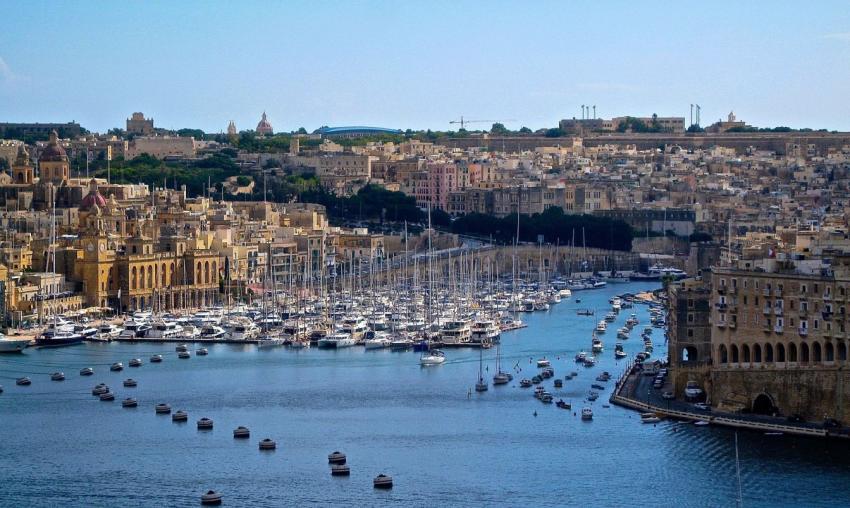
Certain coastal settlements prioritize waterfront life, working harbors, and quiet promenades that allow visitors to understand the place gradually through repetition and proximity. These environments are especially relevant for travelers assessing suitable places to travel in Europe when the intention is to remain grounded, calm and connected to the surrounding space.
Practical planning during an Europe tour
When organizing relaxed journeys during an Europe tour, structure plays an important role in maintaining clarity and comfort. A simple planning approach often supports better movement:
Keep travel distances compact to reduce strain
Leave intervals open for unscheduled observation
Maintain realistic pacing from day to day
This helps preserve the reflective nature of slow travel.
Shared Spaces and Group-Friendly Environments
Slow travel also adapts well to group journeys when destinations offer inclusive and accessible environments. Certain regions provide shared spaces such as parks, pedestrian centers, and countryside accommodations that allow people to move together without pressure. Activities remain flexible, accommodating different energy levels and interests. These destinations are often selected for carefully designed Family packages, especially when the goal is to maintain steady pacing and shared understanding rather than packed schedules. Group slow travel succeeds when the environment supports both collective movement and individual reflection.
Pro Tip: When selecting relaxed destinations, review seasonal calendars and visiting patterns. Shoulder periods usually provide quieter surroundings and a deeper experiential quality, enhancing the value of time spent in each location.
Conclusion
Relaxed travel across Europe is defined by rhythm, awareness, and environments that allow movement without urgency. By prioritising calm settings, cultural presence, and thoughtful pacing, travelers can experience regions more fully while maintaining intention and balance throughout their journey.