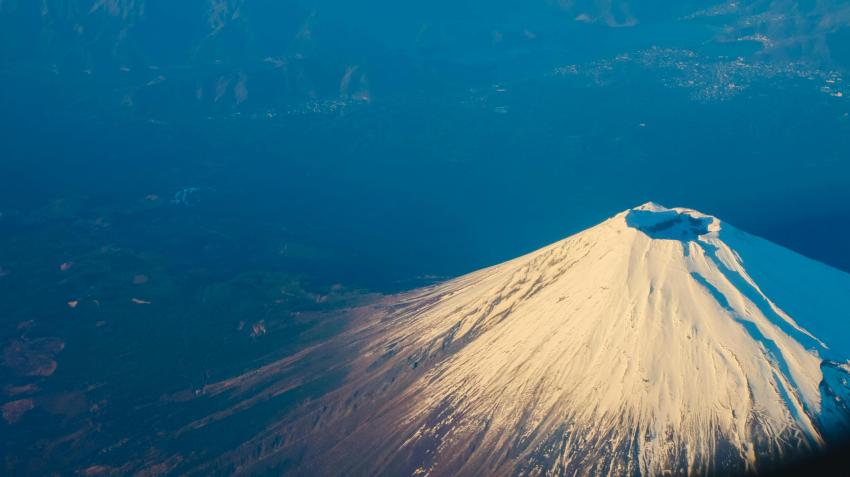
You know that feeling when you're scrolling through travel photos and Mount Fuji just keeps showing up in the background of someone's Japan trip? Not the main focus, but always there, like it's photobombing every second shot. That's when most people start wondering if they actually planned their trip right, or if they accidentally missed the one thing everyone somehow sees without trying.
Here's what I've noticed about Japan tour packages that include Mount Fuji views: they're not all designed the same way, and the difference matters more than people expect. Some packages treat Fuji like a checklist item—you see it, you move on. Others build the whole flow around it, which sounds nice but can feel a bit forced after day two. The better ones just position you in places where the mountain shows up naturally, without making it feel like the entire trip is a Fuji waiting game.
Most Japan travel packages will mention Fuji somewhere in the itinerary. That part's easy. What they don't always clarify is whether you're seeing it from a bus window during a transfer, from a lakeside stop that lasts twenty minutes, or from a ryokan where it's just sitting there outside your room in the morning. Those are very different experiences, and honestly, people don't realise how much that changes the trip until they're halfway through it.
I think solo travellers care less about this than families do. If you're on your own, catching Fuji from a train window might be enough. You got the view, you took the photo, done. But families—especially ones with younger kids—they want the moment to feel like it was worth the planning. That usually means staying somewhere with an actual sightline, not just driving past and hoping the clouds clear up for three minutes. Japan trip packages that include an overnight near Hakone or Kawaguchiko tend to work better for that, though they cost a bit more upfront.
From what I've seen, timing plays a bigger role than most Japan tours let on. Fuji hides behind clouds more often than it doesn't, especially in summer. Winter and early spring give you better odds, but then you're dealing with cold mornings and shorter daylight hours. Some people plan around cherry blossoms and just assume Fuji will cooperate. It doesn't always. I'm not saying skip spring, but if the mountain view is genuinely important, late autumn or winter is when you're more likely to actually see it clearly.
Here's where people tend to overplan: they book a package that hits Tokyo, Kyoto, Osaka, and Fuji, all in seven days. It sounds efficient on paper. In practice, you're spending half your time on trains or buses, and Fuji becomes this rushed half-day thing squeezed between two cities. The mountain doesn't feel special when you're checking your watch the whole time. Japan packages that give you at least one full day in the Fuji area—whether that's hiking around the lakes, visiting Oshino Hakkai, or just sitting somewhere quiet—those trips feel less like a race.
The lake towns near Fuji get talked about a lot, but they're not interchangeable. Kawaguchiko is the most accessible and has the most hotels, which makes it the default pick for a lot of tour operators. It works fine. Lake Yamanaka is quieter, a little less polished, and honestly more pleasant if you don't need a ton of restaurants nearby. Motosuko is the one from the yen note photo, but it's harder to reach and there's not much around it. If your Japan trip packages include a lake stay, it's worth checking which one, because the vibe shifts depending on where you end up.
People also don't think early on about whether they actually want to climb Fuji or just see it. Climbing season is July and August, and it's crowded in a way that surprises first-timers. If that's part of the plan, make sure the package accounts for it with proper timing and rest days after. If you're just there for the views, you don't need to be anywhere near the mountain itself—some of the best sightlines are an hour away by train. That's the part a lot of Japan tour packages don't spell out clearly enough.
Transport between Tokyo and the Fuji area is easier than it used to be, but it still takes a couple of hours depending on your route. Some packages include private coaches, others rely on public trains, and a few mix both. The train option is cheaper and honestly more flexible if your group is small, but coaches work better for families or older travelers who don't want to navigate transfers with luggage. Neither option is bad, they just suit different types of trips.
Food around Fuji isn't as varied as it is in the cities, which catches people off guard sometimes. You'll find the usual Japanese staples, but if someone in your group is picky or has specific dietary needs, it's harder to work around once you're in the smaller lake towns. I think this is where Japan tours that keep you closer to larger hubs like Hakone give you a bit more breathing room, even if the views aren't quite as unobstructed.
Weather apps help, but they're not perfect for predicting Fuji visibility. Locals will tell you the best views happen early morning before the clouds roll in, which is true most of the year. That means if your package has you arriving in the evening and leaving after breakfast, you might only get one real window. It sounds small, but it changes things if the whole reason you picked that package was the mountain.
I've noticed couples tend to prefer the onsen towns near Fuji more than other types of travelers. The combination of hot springs and mountain views just works for that kind of trip. Families usually want more activity options, so packages that add in things like the Fuji-Q Highland amusement park or the ice caves near Aokigahara make more sense. Solo travelers often just want one good photo and a quiet place to sit for a bit, which is the easiest to satisfy and the hardest to mess up.
Simple planning usually works better here. One or two nights near Fuji, decent weather odds, and a package that doesn't try to cram in five other major stops the same week. People try to control this too much, adding backup plans and alternate viewpoints and extra day trips, and it just makes the whole thing more stressful. You don't need to squeeze everything in.