A great day on the water usually starts before you even leave the dock. You load the cooler, check the fuel, tighten the ropes, and do everything that is required. Then, twenty minutes later, the reality of the sun sets in, your shoulders start burning, your seats feel too hot to sit on, and everyone quietly wishes there was a little more shade. That shift from excitement to discomfort happens fast, and it’s the moment many boat owners realize that comfort on a boat is just as important as speed or style.
That’s why a bimini top has become one of the smartest upgrades a boat owner can make, because it directly affects how long you stay out and how much you actually enjoy your time. Still, buying the wrong boat bimini can bring new headaches like loose fabric, shaky frames, constant noise, and wasted money on returns.
Before you spend a dollar, it helps to slow down, think like a seasoned boater, and check a few things that make all the difference.
7 Things You Must Check Before Purchasing a Bimini Top
In this section of the blog, we are going to discuss what things you must check before buying a bimini top for a boat.
Measure once, buy once, and avoid regret
Getting the size right is the foundation of everything that comes after, because even the best bimini top is useless if it doesn’t fit properly. Instead of guessing based on your boat’s overall width, you need to measure the exact mounting area where the frame will sit, since that’s what truly determines compatibility. At the same time, think about how much shade you actually want, because some people only need cockpit coverage while others want protection that stretches farther toward the stern.
Height matters just as much, since a top that sits too low will have you ducking constantly, while one that sits too high won’t block the sun where you need it most. Taking accurate measurements may feel tedious, but it saves you frustration, extra shipping costs, and wasted weekends later.
Choose fabric that survives real water life
The fabric is what stands between you and harsh sunlight, so this is not a place to cut corners or settle for the cheapest option. Low-quality canvas fades easily, loses its shape, and begins to look exhausted after one vigorous summer. Good marine fabric is different, and it remains strong, maintains its colour, and resists mildew even in the humid climate.
Look for solution-dyed materials like Sunbrella that are designed specifically for life on the water and block harmful rays effectively. When you run your hand over the canvas, it should feel firm, breathable, and substantial rather than thin or plasticky.
Inspect the frame like you would inspect your engine
The canvas gives you shade, but the frame is the backbone that keeps everything steady when the wind picks up. If the frame is weak, your bimini top will wobble, rattle, and feel unreliable at speed, which quickly ruins the vibe of your trip. That’s why aluminum or stainless steel frames are so important, especially if you boat in saltwater where corrosion is a constant threat.
A three-bow frame works well for smaller boats, while a four-bow design usually provides better stability and wider coverage for larger setups. Pay attention to the hinges, joints, and mounting hardware, because sturdy components make your setup feel solid every time you raise it.
Match the style to your boat and your lifestyle
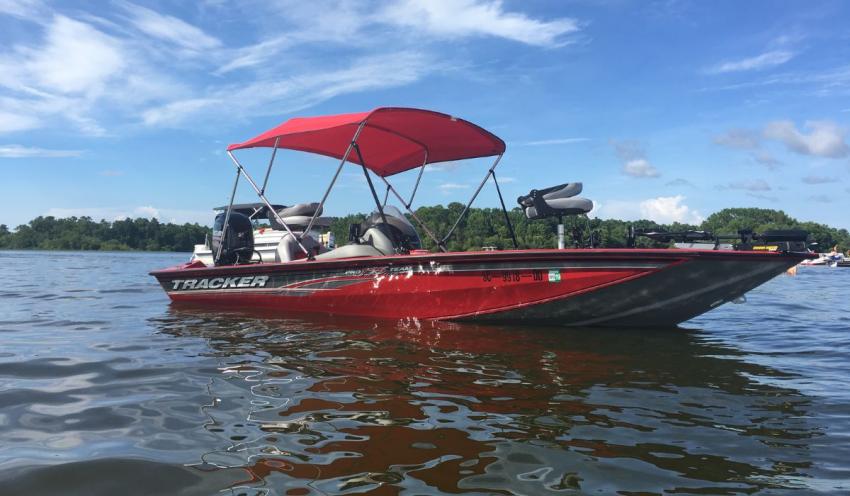
Not every boat needs the same type of coverage, so it helps to think about your specific setup and how you actually use your vessel. A standard boat bimini works perfectly for most recreational boats, but pontoon owners often benefit from wider, square-tube frames that match their layout. Ski and wake boat owners sometimes prefer tower-mounted tops that sit higher above the deck and stay out of the way of riders.
If you run a center console, a T-top style cover might make more sense than a traditional bimini, since it integrates better with your structure and fishing setup.
Think about installation before you click buy
Some bimini tops are simple weekend projects that you can handle with basic tools and patience, while others feel like full construction jobs. Before purchasing, check whether the kit includes clear mounting hardware, adjustable foot plates, and easy-to-follow instructions. When the mounting points line up naturally with your boat’s existing rails or fittings, the whole process becomes smoother and less stressful.
Let your boating environment guide your choice
Where you spend most of your time on the water should shape your decision in a meaningful way. If you mainly boat on sunny freshwater lakes, UV protection and heat resistance should be your top priorities. In contrast, if you’re in saltwater, corrosion resistance becomes absolutely critical for both frame and hardware.
Think value, not just price
It’s tempting to grab the cheapest bimini top that looks decent, but that approach often leads to faded fabric, rusty hardware, and early replacement. A small extra cost will typically equate to high-quality materials, durable frames, and headaches avoided in the long run. In perspective, you are not only purchasing shade, though, but you are also purchasing comfort, safety, and a sense of security.
A quality bimini top for a boat folds smoothly, stays tight at speed, and doesn’t rattle in rough water, which makes every trip more enjoyable.
Why the right bimini top feels like a real upgrade
A well-chosen bimini top genuinely changes how you experience your boat, because it gives you control over your comfort instead of leaving you at the mercy of the sun. You do not have to keep on searching for shade all the time; instead, you can sit back and relax and really enjoy your time with family or friends.
Final thoughts
By the end of the day, your bimini top must seem like a natural part of your boat and not as an appendage that you do not trust at all. By measuring carefully, choosing strong materials, and matching the design to your boating style, you set yourself up for cooler, longer, and more enjoyable days on the water.