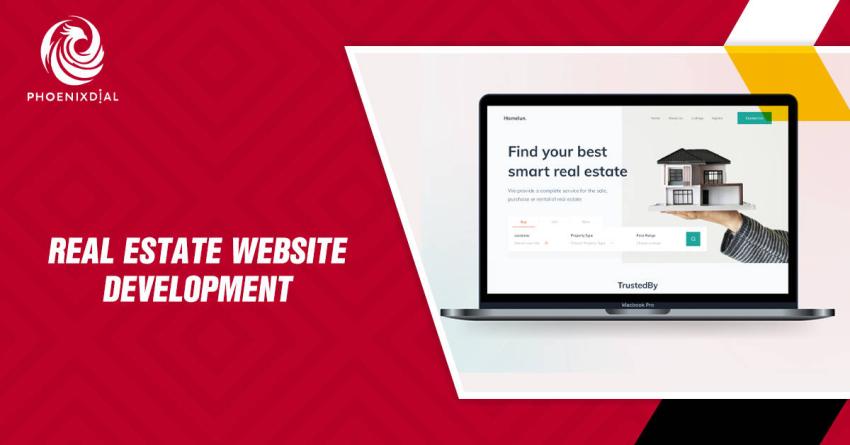
In today’s digital world, having a strong online presence is essential for real estate businesses. Real estate website development helps agents, brokers, and property companies showcase their listings, connect with clients, and grow their business. A modern real estate website does more than just display properties — it creates a seamless experience for users, builds trust, and increases leads.
Why Modern Real Estate Sites Matter
A modern real estate site is not just visually appealing — it’s fast, responsive, and easy to use. Buyers and renters expect websites to load quickly, work well on mobile devices, and provide accurate property information. By investing in a modern design, real estate businesses can:
- Attract more clients with an easy-to-navigate site.
- Showcase properties professionally with high-quality images, videos, and virtual tours.
- Generate leads automatically through contact forms, chatbots, and call-to-action buttons.
Think of your website as a virtual office — your visitors’ first impression depends on it.
Key Features of Real Estate Website Development
When planning real estate website development, focus on features that make your site both functional and user-friendly:
- Property Listings — Display properties with clear photos, pricing, and descriptions.
- Search and Filter Options — Let users search by location, price, type, and other criteria.
- Interactive Maps — Show property locations with Google Maps integration.
- Lead Capture Forms — Collect visitor information for follow-ups.
- Mobile Optimization — Ensure your site works perfectly on phones and tablets.
- Virtual Tours and Videos — Give users an immersive property experience.
These features help users find what they want quickly and make it easier for agents to connect with potential buyers.
Benefits of a Modern Real Estate Website
A modern real estate site offers many advantages over traditional listings or outdated websites:
- Improved user experience — Visitors can browse properties easily.
- Better search engine ranking — Optimized websites attract more organic traffic.
- Increased credibility — Professional websites build trust with clients.
- Higher lead conversion — Integrated forms and CTAs turn visitors into potential buyers.
For example, a real estate agency that adds a virtual tour feature can engage users longer, increasing the chances they will contact an agent.
Custom vs. Template-Based Websites
When choosing real estate website development, you can pick between a custom-built site or a template:
- Custom websites offer full flexibility, unique design, and tailored functionality.
- Template-based websites are faster and cheaper but may be limited in design and features.
A growing real estate business usually benefits more from a custom modern real estate site, as it helps stand out from competitors.
How to Get Started with Real Estate Website Development
To create a successful modern real estate site, follow these steps:
- Plan your website goals — Decide what features and listings you need.
- Choose a platform — WordPress, custom development, or real estate-specific builders.
- Design with users in mind — Focus on speed, responsiveness, and navigation.
- Integrate essential tools — MLS listings, lead capture forms, chatbots, and maps.
- Optimize for SEO — Ensure your website ranks for local and property-specific searches.
By taking these steps, you can build a website that attracts more visitors, generates leads, and grows your real estate business.
A strong online presence is now a must for real estate businesses. Investing in real estate website development and creating modern real estate sites can help you stay ahead, impress clients, and increase sales.