Navigating the Maze: Understanding London's Transport Challenges: A Complete Guide
London, a lively city rich in history and culture, is constantly grappling with a significant challenge: keeping its large population on the move. For both locals and tourists, navigating the city's transport system can often lead to daily headaches. With congested roads and packed trains, the issues are varied and complex. This exploration delves into the main transport challenges facing London and looks at the broader picture, including how services from nearby areas, like Cabs in Hemel play a part in the mix.
The Core Congestion Crisis
At the core of London's transport challenges is the overwhelming volume of traffic. The city's roads, many of which have been around for centuries, are packed with vehicles. Even with measures like the Congestion Charge and the Ultra Low Emission Zone (ULEZ) in place, traffic jams continue to be a frustrating reality, affecting air quality, business productivity, and personal stress levels. This congestion isn't just a problem for central London; it extends out to the orbital motorways and surrounding towns, causing a slowdown across the entire region. While the use of private vehicles has decreased somewhat, it still puts a significant strain on the infrastructure.
Overburdened Rail and Tube Networks
London's famous Underground and its vast rail network are essential for millions of commuters. Yet, they often suffer from the very demand they fulfill. Chronic overcrowding, particularly during rush hours, turns the daily commute into an uncomfortable and sometimes frustrating experience. The ageing infrastructure on several tube lines frequently results in delays and weekend closures for necessary maintenance. While upgrades like the Elizabeth Line are game-changers, they involve massive, long-term projects that can temporarily increase disruption during the construction phase.
The Affordability Factor
Getting around London can really take a toll on your wallet. With sky-high season ticket prices for national rail services and those pesky annual increases in Tube and bus fares, transportation costs can weigh heavily on household budgets. This issue, often referred to as "transport poverty," can restrict job opportunities for those on the fringes and affect how affordable it is to live in or near the capital. While there are discounts and caps available, the basic costs still pose a major concern for many residents.
Connectivity Gaps and "Last Mile" Challenges
While major hubs are generally well-connected, there are still some gaps that need addressing. Certain suburbs and outer boroughs experience less frequent services, which creates what we call "transport deserts." Additionally, the "last mile" problem—the final stretch of a journey from a station to your home or office—often goes unresolved. This situation can lead to a greater dependence on buses, which can get stuck in the same traffic, or it may spark the need for alternative solutions. This is where integrated services from nearby areas really shine, like pre-booking a reliable Airport Taxi Hemel Hempstead to ensure a smooth connection to London's major airports.
Cycling and Pedestrian Perils
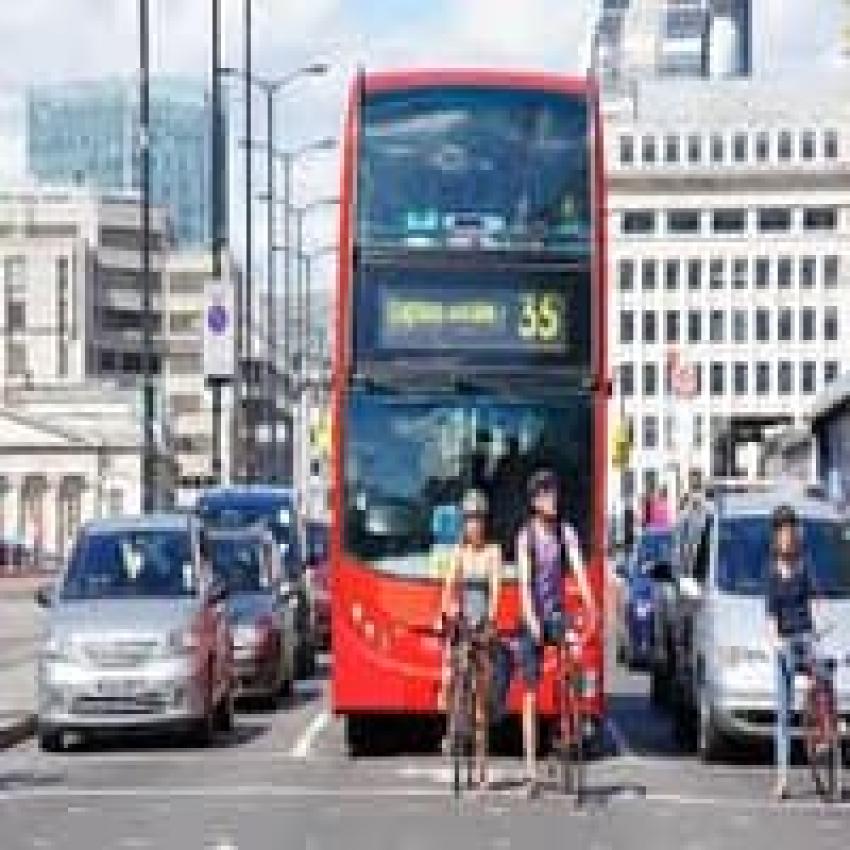
The rise in active travel has led to a surge in cycling and better pedestrian areas. However, safety continues to be a significant challenge. The lack of consistent cycling infrastructure—ranging from protected bike lanes to shared bus lanes—creates risky situations. The presence of heavy traffic and large vehicles at intersections discourages many would-be cyclists. For pedestrians, overcrowded sidewalks and air pollution on busy streets take away from the walking experience, even for quick trips.
The Impact of Strikes and Industrial Action
Industrial disputes have turned into a common issue, resulting in widespread strikes across tubes, railways, and buses. These strikes create a major standstill in cities, shaking public confidence and revealing just how fragile the system really is. While these actions stem from genuine employment concerns, their increasing frequency has become a significant transportation headache, leading to unpredictable disruptions for both commuters and businesses alike.
Pollution: The Invisible Passenger
Transport plays a major role in the air quality problems facing London. Even with some progress, levels of nitrogen dioxide and particulate matter frequently go beyond legal limits, which can seriously threaten public health. The expansion of the Ultra Low Emission Zone (ULEZ) aims to tackle this issue, but moving towards a completely clean fleet—covering private cars, buses, and taxis—will take time. Additionally, the environmental toll of congestion, with engines idling, only adds to the city's carbon footprint and health concerns.
Towards a Solution-Focused Future
Tackling these long-standing challenges calls for a well-rounded approach. It's essential to keep pouring resources into our infrastructure, but we also need to manage it more intelligently. Here’s what that looks like:
Enhanced Reliability: We need to boost the frequency and on-time performance of our current services.
True Integration: Let’s work on a smooth, budget-friendly ticketing system that covers all transport options—Tube, rail, bus, and bike hire.
Technology Adoption: By harnessing AI, we can improve traffic flow and offer real-time, personalized journey planning.
Flexible Working: We should embrace hybrid work models to change commuting habits and ease peak-time congestion.
Suburban Solutions: Strengthening transport links in surrounding counties will help alleviate the strain on central networks.
Conclusion: A Journey of Incremental Improvement
London's transport issues are a complex mix of historical design, current demands, and economic challenges. There’s no one-size-fits-all solution. Instead, we’ll see progress through small, steady improvements: a smoother intersection here, a more dependable train line there, and a cleaner fleet of vehicles all around. Recognizing these challenges is crucial for both policymakers and the public as we push for a more efficient, sustainable, and fair transport system in one of the world’s most iconic cities. The path to betterment, much like navigating the city itself, will be an ongoing journey.