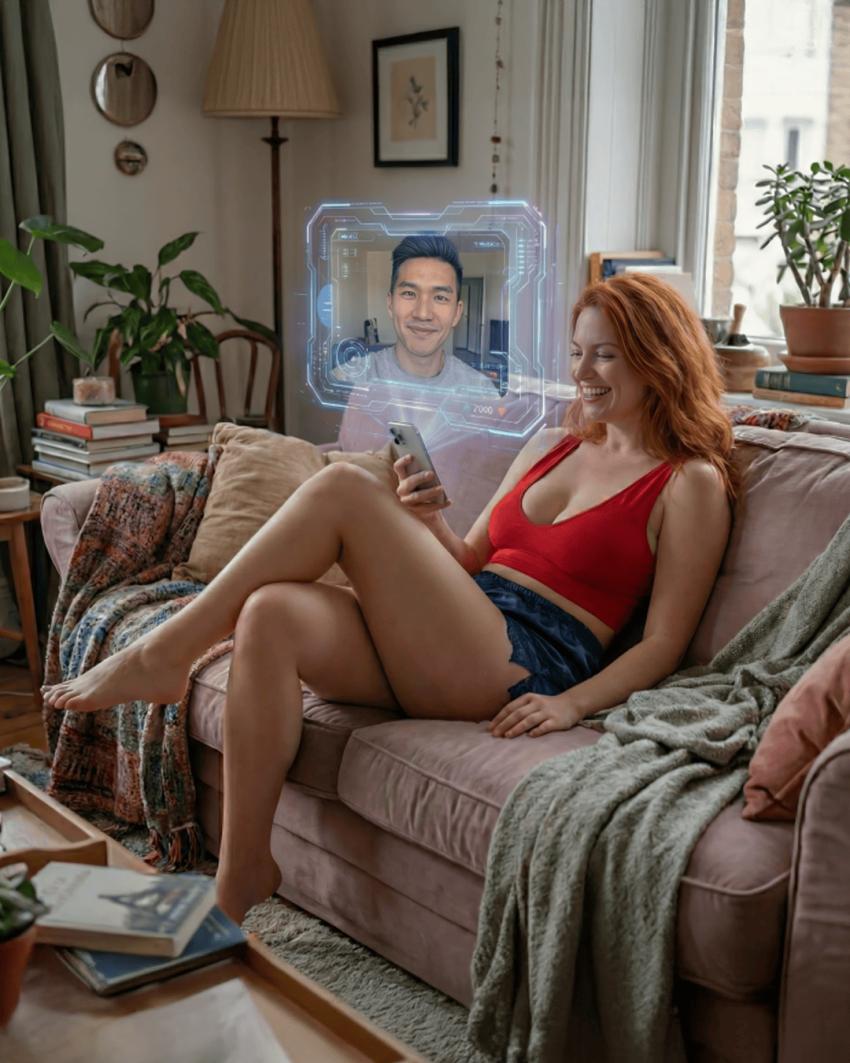
Video Chat Just Slipped Into Our Lives
If you think about it, video chat did not arrive with a big announcement. It just slowly became normal. At some point, talking to someone face to face online stopped feeling weird. It became something you do when you have time, when you are bored, or when you want to talk to someone outside your usual circle.
Before video chat, most online communication felt distant. You typed messages, waited for replies, and guessed emotions from words. Video chat changed that. You see reactions instantly. You hear tone. You feel the mood of the conversation without guessing.
That small difference changed how people behave online. Conversations became shorter but more real. You either connect or you do not, and you know it fast. For many users, that feels refreshing compared to endless messaging.
Of course, not every video chat platform handled this well. Some places turned chaotic. Fake users, uncomfortable moments, and zero structure pushed people away. Many users left not because they hated video chat, but because the environment stopped feeling safe or enjoyable.
Still, the habit stayed. People kept looking for places where video chat felt simple again. That is why new platforms kept appearing, trying to do the same thing but cleaner and calmer.
Today, video chat feels like just another option in how people communicate online. Not better than everything else, not worse. Just different, and sometimes exactly what you want.
Why People Choose Video Chat When They Want Something Real
A lot of people feel tired of social media. Scrolling never ends, but it rarely feels satisfying. Dating apps can feel similar. Too many profiles, too much effort, and conversations that die fast.
Video chat feels different because it skips all of that. You do not build an image. You do not think too much. You just talk. That alone makes it feel lighter.
People also like that video chat does not force a goal. You do not have to date. You do not have to make friends. You can just have a normal conversation and move on. That freedom makes the experience more relaxed.
Another thing users enjoy is how global it feels. Talking to someone from a different country reminds you how big and small the internet is at the same time. It breaks routine in a simple way.
Platforms like ChatMatch are one example of this style of video chat. Not as something special or extreme, but as part of the group of apps that focus on direct conversation instead of complex systems.
What keeps people coming back is not technology or features. It is the feeling of talking to a real person, right now, without filters or expectations.
Where Video Chat Fits in the Internet Today
Video chat is not trying to replace social media or messaging apps. It fills a different space. When people want something passive, they scroll. When they want interaction, they talk.
The future of video chat is not about adding more layers. It is about keeping things smooth. Fewer distractions, better flow, and more comfort for users.
Technology works quietly in the background, mostly to keep things clean and usable. But users do not think about that when they open a video chat app. They think about who they might meet.
ChatMatch, like many video chat platforms today, fits into this idea. It represents how video chat can exist without trying too hard to be something else.
As internet habits keep changing, video chat stays relevant because it feels human. You see someone, you hear them, and for a moment, the internet feels less distant.
That is why video chat apps keep their place online. Not because they are trendy, but because sometimes, people just want to talk.