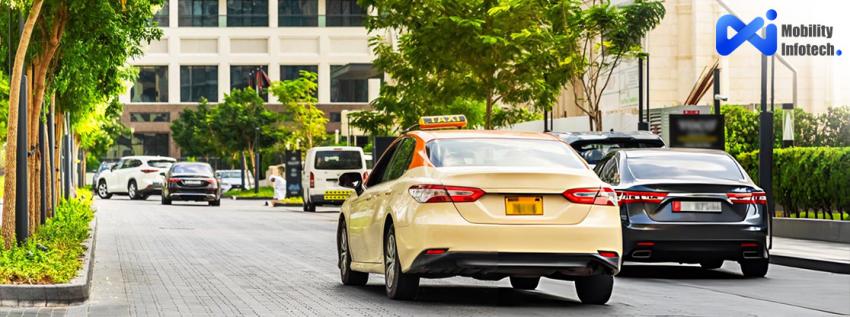
The way people move in cities is changing fast. In the United States, daily travel depends heavily on taxis, ride services, and local transport fleets. City growth, traffic, fuel costs, and rider demand all push transport companies to work smarter. This is where taxi dispatch software plays a major role.
Mobility Infotech focuses on smart digital tools for transport businesses. Taxi dispatch software is one of the most useful tools today. It helps taxi companies serve riders faster, reduce costs, and follow government rules.
Why Transportation Technology Matters Today
According to the US Department of Transportation, Americans take over 400 billion trips each year. A large share of these trips are short city rides. Taxis and ride services handle millions of them daily.
Traffic delays cost the US economy over 120 billion dollars per year. This data comes from federal transport studies. Late pickups and poor route planning increase this loss. Taxi dispatch software helps reduce wasted time and fuel.
What Is Taxi Dispatch Software
Taxi dispatch software is a digital system that connects drivers, riders, and operators. It manages ride requests, driver locations, routes, fares, and payments in one platform.
The system works in real time. When a rider books a taxi, the software finds the closest driver. It sends the trip details to the driver instantly. This cuts wait time and improves service quality.
Government Support for Smart Mobility
The US government supports the use of technology in transport. The Federal Transit Administration promotes intelligent transport systems. These systems aim to improve safety, efficiency, and access.
Many cities now require digital trip records. Taxi dispatch software helps companies meet these rules. It stores trip data, driver logs, and fare details in a secure way. This supports audits and public safety needs.
Better Safety for Riders and Drivers
Safety is a top concern in US transport policy. According to the Bureau of Transportation Statistics, human error causes over 90 percent of road accidents.
Taxi dispatch software helps reduce this risk. It tracks driver behavior like speed and route choice. It also records trip history. This makes it easier to handle complaints and improve driver training.
Emergency features like panic alerts are now common. These features meet local safety rules in many states.
Fuel Savings and Environmental Benefits
Fuel use is another big issue. The US Energy Information Administration reports that transport uses nearly 30 percent of total US energy.
Taxi dispatch software helps reduce fuel waste. It assigns the nearest driver and suggests the best route. Less idle time means lower fuel use. This also reduces emissions.
Many US cities have clean transport goals. Software driven dispatch helps fleets support these goals without high costs.
Improved Service for Riders
US riders expect fast and simple service. A report from the Bureau of Labor Statistics shows that service quality strongly affects repeat usage.
Taxi dispatch software allows easy booking through apps or calls. Riders get live updates. They know when the taxi will arrive. This builds trust and loyalty.
Digital payments also help. Cashless trips are safer and faster. They also support tax reporting rules.
Cost Control for Taxi Companies
Running a taxi business is expensive. Labor, fuel, insurance, and maintenance costs keep rising.
Taxi dispatch software helps reduce waste. It improves driver use and cuts empty miles. Operators can see reports on trips, earnings, and demand times.
These insights help companies make better decisions. They can plan shifts and pricing based on real data.
Support for Local Regulations
Every US city has its own transport rules. Some require driver shift limits. Others require fare transparency.
Taxi dispatch software helps follow these rules. It records work hours and fare breakdowns. This protects both drivers and operators from fines.
Digital records are also useful during inspections or license renewals.
The Role of Mobility Infotech
Mobility Infotech focuses on smart and flexible transport solutions. Their taxi dispatch software supports small and large fleets.
The platform can scale as the business grows. It also supports new features like electric vehicle tracking and shared rides.
This helps taxi companies stay ready for future transport needs.
The Future of Urban Transport
The US population keeps growing in cities. The Census Bureau reports that over 80 percent of Americans now live in urban areas.
This means more demand for short trips and on demand rides. Taxi dispatch software will continue to play a key role.
It supports faster service, safer trips, and cleaner cities. For transport companies, it is no longer optional. It is a core business tool.
Frequently Asked Questions
1. Is taxi dispatch software legal in the United States
Yes. Taxi dispatch software is legal in the United States. Many cities support it. It helps meet transport rules. It also keeps digital trip records. These records support safety checks and tax reporting.
2. Can small taxi companies use taxi dispatch software
Yes. Small taxi companies can use taxi dispatch software. Many systems are cloud based. They do not need large hardware costs. This makes them affordable and easy to start.
3. Does taxi dispatch software help with fuel savings
Yes. Taxi dispatch software reduces idle time and empty trips. It sends drivers the shortest routes. This lowers fuel use. It also helps reduce vehicle wear and repair costs.
4. How does taxi dispatch software improve rider safety
The software tracks trips in real time. It records driver details and routes. Emergency alerts can be used. This improves response time. It also supports complaint reviews and driver training.
5. Is taxi dispatch software approved for government reporting
Yes. Most modern taxi dispatch software supports digital records. These records help with audits and reports. They align with local and state transport data needs.