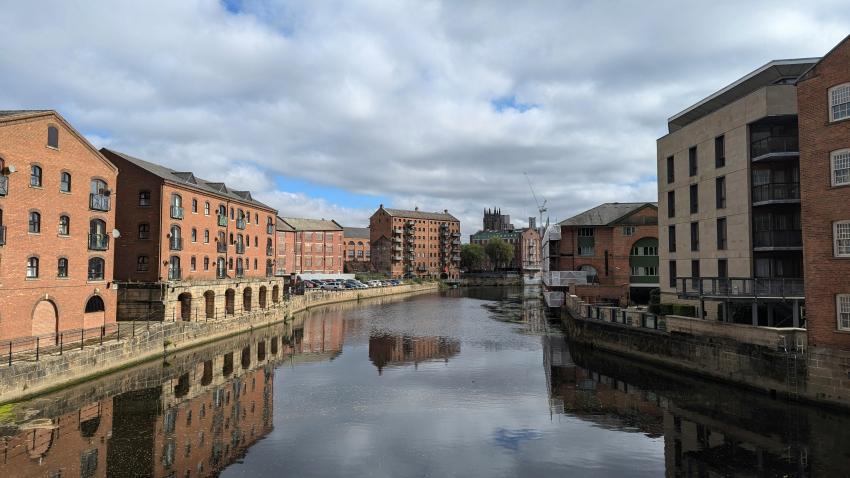
Leeds is a city that is very much getting bigger and better. It is the perfect mix of both Victorian architecture and modern high rises. In recent years, we have now seen the city shift towards smarter travel. This is the perfect combination of both technology and tourism, which ensures that the city’s transport networks are more sustainable, efficient and connect the city better. No matter whether you are a weekend tourist or travel to the city for work, technology is completely transforming the way we get around Leeds.
Creating Smart Transport Systems
Leeds has put a lot of money into their transport networks, and it is certainly something that has benefited significantly. Additionally, Leeds is connected to many other cities around the country through their trainlines. Not just that, but just like many other cities, they also have real-time bus tracking, which can be tracked through your phone. Finally, the transport systems also have contactless payments available for both buses and trains. This makes it much easier to get in and around the city.
When it comes to the drivers, the roads are just as important for those who drive cars as they are for public transportation. As cities are becoming more popular due to more apartments and more job opportunities becoming available. This means the roads are going to get busier, and therefore, they need to be made efficient. Even when the cars are not on the roads and instead are in a car park, they also need to be efficient.
Park and rides are a fundamental part of smart transport systems in Leeds, but also around the which have smart energy grids, charging stations and also as a whole encourage more people to park up and choose the energy-efficient bus or tram.
Using Apps That Make Navigating The City
Apps have made transportation much better over recent years. Something that a lot of people are not happy with is that some travel apps have slow data relay, so if a street is closed down, or maybe over the last week or so they’ve made some streets more of a one-way route, these apps can be a little late to the game.
However, depending on the app you use and how interactive it is in terms of timely alerts on changes and so forth will dictate the ability to travel through a city seamlessly. As city centres are usually very hard to navigate as with multiple lanes, not much time to think about your next move an app during the city driving rush is a must-have, even if it’s not the best, it’s that extra layer of support you need, even when you are trying to find a car park in Leeds.
Augmented Reality
In Leeds, they have embraced a free app called ‘the love exploring’ app, which uses augmented reality to turn a walk in the park or city centre into a game. Visitors with this app can follow AR trails like the dinosaur safari or mega mini beast hunts while in areas in Leeds, such as Roundhay Park or even any street in the city centre itself.
Sustainable Travel
Like other cities, Leeds has evolved to encourage more active and sustainable travel for people and with the help of technology, it has been able to implement and join the large e-bike scheme and integrate these smoothly through cycling and walking routes. They have also opened one of the first fully solar-powered park and ride at Stourton Park and Ride, and they have clearly demonstrated through their public services that they are prioritising a commitment to zero-carbon travel and providing multiple options for visitors for their journey into Leeds.
Smart Motorways & Road Technology
Another feature that is across the UK, including Leeds, the installation of smart motorways has been successful in managing and preventing congestion as much as possible through automatically adjusting the speed limit to reduce any traffic leading to Leeds. What sets Leeds apart from other cities is its smart road technology, which automatically adjusts traffic light timings for smarter traffic flow and prevents unnecessary buildup.
There are also future plans to include smart parking sensors in the city centre car parks to help drivers find the closest available space, which can reduce stress from drivers within the city, prevent crashes with confused drivers, and also reduce congestion and emissions from vehicles driving aimlessly around the city trying to find a space.
Data Mill
Leeds has established an open data platform that releases information on local attractions, points of interest and city services. The data that it’s been collecting directly supports the creation of tourist apps and tools, which have ensured that it’s constantly updated and accurate for tourists. This is not only extremely useful but also encourages visitors to this city even more, which improves the economic structure of Leeds.