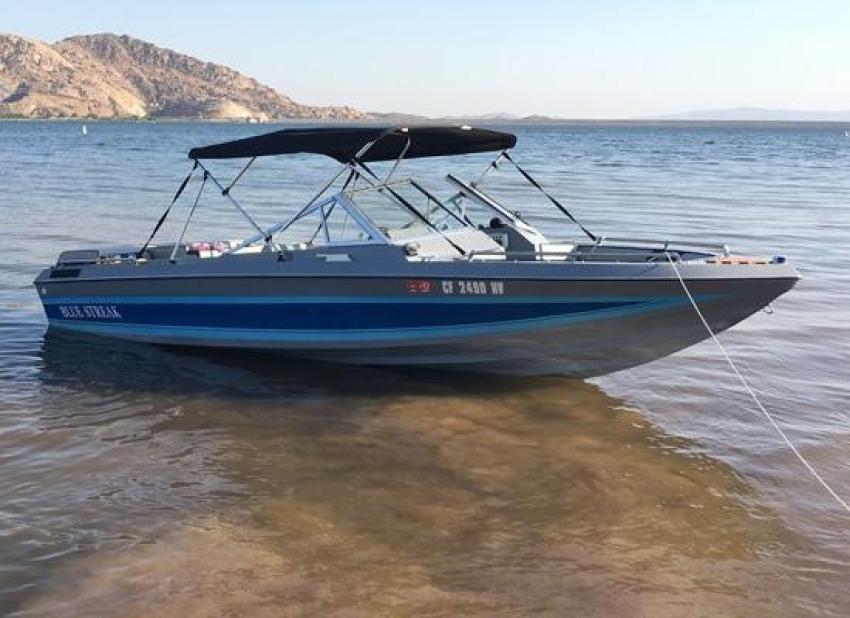
A boat bimini top is a necessary piece of equipment that helps to make the stay on the water comfortable and safe. It protects passengers against UV rays, making the whole boating experience more enjoyable. Nevertheless, just like any boating accessory, bimini tops are prone to harsh environmental conditions, which might affect their durability and functionality.
To have your investment stand the test of time, the frequent problems that affect the boats in terms of bimini tops should be known, as well as the way to avoid them. This guide addresses these problems in detail and offers viable, effective solutions to the nondestructive and stable bimini system maintenance.
How to Protect Your Boat’s Bimini Top?
1. Fabric Fading and UV Deterioration
Exposure to sunlight is one of the greatest dangers to any boat bimini top. UV radiation destroys the fibers of the fabric gradually, leading to fading, weakness, and a shortened life span.
Why It Occurs
Marine fabrics are subjected to sunlight, saltwater, pollutants, and organic debris, and especially those of low quality can decay. Even high-quality fabrics will wear out with time unless they are maintained.
How to Prevent It
Select good-quality marine-grade fabric, e.g., solution-dyed acrylics, which have UV properties.
Use UV protective sprays to enhance the capacity of the fabric to resist the sun.
Wash the top following saltwater journeys, where crystals of salt may affect the material.
Keep the bimini in its protective cover out of the sun when not in use to avoid exposure to the sun.
2. Worn or Damaged Stitching
The stitching of fabric can start to wear out, even if the fabric is very strong. Poor or worn thread translates to the integrity and the look of the overall bimini cover.
Why It Occurs
Tearing of the thread is normally due to UV exposure, wind strain, or the use of cotton threads instead of UV-resistant polyester alternatives.
How to Prevent It
Check stitches regularly and mitigate tearing in its initial stages.
Use bimini tops in boats where the thread is made of polyester that is UV-resistant, which is much more durable.
When covering the top, make sure that there is proper tension to minimize the stress on the stitching.
3. Frame Corrosion and Rust
The frame is the structural support of a bimini system. In case it corrodes or loses strength, the rest of the top becomes unstable and unsafe.
Why It Occurs
Even metals that are made marine grade are susceptible to saltwater, humidity, and moisture that occur over a longer time. The discoloration of aluminum and surface corrosion in stainless steel may occur with time.
How to Prevent It
Use materials resistant to corrosion, and the best option would be 316 marine-grade stainless steel.
Wipe off or rinse the frame after each excursion, especially in saltwater habitats.
Coat metal surfaces with corrosion inhibitors to prevent oxidation.
Install the nylon washers or bushings to minimize the contact between metals.
4. Loose or Broken Hardware and Fittings
Hinges, mounts, screws, and clamps that hold the hinges of your boat's bimini top together can be loose or worn out unless they are taken care of on a regular schedule.
Why It Occurs
During the boating experience, vibration on the fittings can occur, waves can hit the fittings, sun exposure may occur, and corrosion can take place.
How to Prevent It
Hardware should be checked and tightened frequently to maintain stability.
Install stainless-steel fittings, which are more durable as compared to plastic.
Apply a silicone-based product to lubricate moving parts.
It should not be over-tightened, resulting in structural damage to mounting surfaces.
5. Wind Damage or Top Detachment
The bimini, when used in high-speed boats or in windy weather, can cause structural failure or even total detachment.
Why It Occurs
The high pressure of the wind in the canopy overstrains the fabric and structure of the canopy, particularly when the top is incorrectly installed or straps are not fitted properly.
How to Prevent It
One should not use the bimini when traveling at high speeds unless it is stated to be safe by its manufacturer.
Check straps frequently and replace deteriorated parts as soon as possible.
Quick-release pins should be used to mount them permanently.
Keep the top in its boot when it is windy or stormy.
6. Mold and Mildew Development
Bimini tops are often exposed to moisture, and therefore, they can easily develop mold and mildew unless dried or washed.
Why It Occurs
Mildew thrives in wet, dark places, and this is normally in areas where the tops are improperly stored.
How to Prevent It
When it is dry, leave the top to dry and then keep it in a boot or cover.
Enhance air circulation by making sure there is sufficient ventilation with the top down.
Apply marine mildew removers or soft cleaners made of fabric.
When storing the top for prolonged periods of inactivity, it should be stored under dry conditions.
7. Sagging or Misalignment
A saggy bimini top is not only improper but will also hinder visibility and the material.
Why It Occurs
Straps and fabric can stretch during usage, and frames can change or bend under wind or excessive use.
How to Prevent It
Adjustable tension straps should be used to keep the optimal degree of snugness.
Check the frame occasionally to verify that it is not bent or structurally weak.
Get the correct positioning of the mounting because it may cause sagging.
Do not put any weight on the bimini frame.
8. Water Pooling on the Canvas
When water is pooled, it causes too much weight on the canvas and frame, and there is the danger that this weight causes the canvas to tear or distort.
Why It Occurs
Poor installation, inadequate tension, or low-pitch design may result in a buildup of water in the low areas of the fabric.
How to Prevent It
Place support poles or tension bars to ensure there is a proper arch.
Straps should be tightened frequently to give a smooth, even surface.
Take the case of a high-arch bimini design, which in itself encourages the rapid release of water.
9. Difficult or Unsafe Setup
A bimini top must unfold and fold easily. Provided it is always difficult to set up, there might be greater problems involved.
Why It Occurs
Misplaced points of mounting, improper hardware, or a low-quality frame would cause difficulty in its operation.
How to Prevent It
Install correctly and according to specifications and the manufacturer's requirements.
Select systems using careful hinges and release components.
Continuously lubricate the moving parts to keep them smooth.
Conclusion
A bimini top or boat top is an accessory that you find handy for your boat. Knowing the problems that can be encountered regularly, such as fabric degradation, corrosion, loose fittings, mildew, and structural misalignment, you are able to implement control measures before they destroy your investment.
Routine checks, high-quality material, and preventive care are extremely critical towards enhancing bimini top life. With proper care, your bimini top will serve longer, come in handy, and be attractive in years of boating fun.