Vietnam doesn't top most honeymoon lists initially. But this Southeast Asian country keeps appearing in travel forums and wedding planning groups for couples wanting something beyond the typical Maldives-or-Santorini playbook. The romantic appeal exists – just in unexpected ways.
The Northern Appeal Works Differently
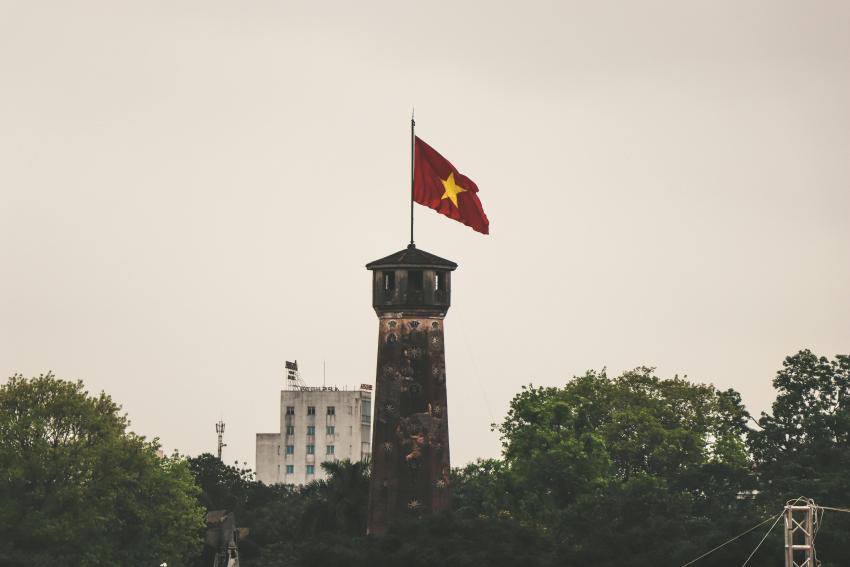
Hanoi operates on a different frequency than standard honeymoon destinations. The chaos feels overwhelming at first – motorbikes everywhere, constant noise, street vendors calling out at every corner. But that's actually part of what makes it work for couples.
There's something about navigating organized chaos together. Walking through the Old Quarter at night with someone creates these small shared moments that polished resort experiences can't really replicate. The lake area (Hoan Kiem, though the spelling might be off) provides unexpected pockets of calm during early morning hours when locals do tai chi and the city briefly quiets down.
Hotels around the lake run approximately $80-150 per night for decent places. Higher-end options push past $200. Without checking current exchange rates, those prices could shift depending on when bookings happen.
Ha Long Bay Deserves Its Reputation
Here's an unpopular opinion: Ha Long Bay gets called "too touristy" constantly these days. And sure, it sees heavy boat traffic. But dismissing it completely means missing something legitimately special – sometimes places become popular because they actually deliver.
The overnight cruise situation works better than expected for romance. Yes, other couples share the boat. But once in a private cabin with those limestone karsts appearing through morning fog... that's pretty much the postcard moment everyone expects. Worth it, honestly.
Cruise pricing hovers around $200-400 depending on cabin class and tour operator. The cheaper options cut corners on food quality and room size – something to consider when comparing Vietnam honeymoon tours. Book at least a few days ahead during peak season (November through March roughly) as availability gets tight.
One practical issue: seasickness affects more people than anticipated. The bay waters stay calmer than the open ocean, but the boat movement still registers. Bring medication if motion sickness tends to be a problem.
Hoi An Stands Out
This ancient town on the central coast gets mentioned constantly in Vietnam honeymoon packages. For good reason.
The old town preserves historical architecture that's uncommon in Southeast Asia – Chinese, Japanese, and Vietnamese influences blend together in ways that feel authentic rather than reconstructed for tourists. At night, lanterns replace street lighting along the river. The entire atmosphere shifts.
Couples end up walking along the waterfront past small restaurants and tailor shops while those paper lanterns reflect off the water. It sounds cliché describing it, but the experience genuinely works for romance in that quiet, understated way.
Actually, "quiet" isn't quite accurate during peak evening hours. The crowds get dense. But early morning or late afternoon timing solves that problem – most tour groups cluster around sunset.
The Beach Situation
An Bang Beach sits about 4 kilometers outside Hoi An's center. Most guides push the main beach closer to town, but that advice feels outdated. An Bang offers better beach clubs, fewer vendors, and significantly less crowding.
Renting bicycles costs maybe $2-3 per day (prices might have changed) and the ride takes 15-20 minutes through rice fields. The heat becomes oppressive April through September though – summer humidity makes any physical activity pretty miserable by mid-morning.
Beach clubs charge around $10-15 for loungers and umbrellas. Some include food/drink minimums. Quality varies considerably by location, so checking recent reviews helps avoid disappointments.
Food Changes the Experience
Vietnamese cuisine matters more for the overall honeymoon experience than initially expected. The food situation becomes part of the daily rhythm in ways that don't happen at all-inclusive resorts.
Pho for breakfast works surprisingly well – starting the day with a hot noodle soup sounds odd to Western couples initially, but most end up adopting the habit. Street vendors serve it for $2-3 per bowl typically. Restaurant versions cost maybe $5-6 with slightly better ingredients and cleaner seating.
Banh mi sandwiches handle lunch perfectly. Cheap, portable, actually delicious. The bread quality in Vietnam exceeds what most visitors anticipate.
Dinner options range dramatically. Hoi An and Ho Chi Minh City offer high-end restaurants where bills reach $50-80 per couple. But equally good meals happen at small local places for $15-20 total. The gap between tourist pricing and local pricing stays pretty wide.
One thing worth mentioning – egg coffee in Hanoi deserves the hype. Sounds strange (whipped egg yolk on coffee?) but actually delivers. The café that supposedly originated it sits down an alley near the lake. Name escapes memory right now, but locals know it.
The Package Debate
Vietnam honeymoon tour couple packages make more sense than typical DIY travel planning. Controversial take perhaps, but the logistics get complicated quickly.
Transportation between cities involves trains, planes, or long bus rides. Booking these individually while navigating language barriers and unfamiliar booking platforms adds stress that honeymooners probably want to avoid. Tours handle the movement between Hanoi, Ha Long Bay, Hoi An, and Ho Chi Minh City without couples worrying about timing or connections.
That said – packages vary wildly in quality. Some Vietnam honeymoon packages include genuinely nice hotels and thoughtful itineraries. Others pack in too many activities and cheap accommodations. Reading reviews carefully before booking matters more than usual.
Cost-wise, expect $3000-5000 for decent 10-12 day packages for two people. That typically includes hotels, most meals, major activities, and internal transportation. Flights to/from Vietnam stay separate. Could be different now, but those numbers align with what's been observed recently.
Timing Affects Everything
The November-February window works best for most regions. Weather stays cooler and drier during those months. March and April push into hot season – temperatures climb significantly and humidity builds.
Monsoon season hits different regions at different times, which complicates planning. Northern Vietnam (Hanoi, Ha Long Bay) sees heaviest rain June through September. Central coast areas like Hoi An get hit September through December. Southern regions around Ho Chi Minh City stay relatively dry November through April.
This staggered rain pattern means Vietnam honeymoon tours need thoughtful timing. A trip spanning multiple regions might hit great weather in one area while catching rain elsewhere. Tour operators generally know how to route itineraries to minimize weather issues, but no guarantees exist.
Practical Realities Nobody Mentions
WiFi drops off significantly outside major hotels and cities. Don't count on consistent connectivity for navigation or communication. Download offline maps before arriving.
English proficiency varies dramatically. Staff at hotels and tour companies speak it reasonably well. Random restaurants or shops – much less so. Translation apps help, though they require internet connection (see WiFi issue above).
ATMs exist everywhere in cities but become sparse in smaller towns. Carry more cash than feels comfortable when leaving urban areas. Credit cards work at major hotels and restaurants but cash remains necessary for most transactions.
The traffic situation – particularly in Hanoi and Ho Chi Minh City – initially terrifies most visitors. Motorbikes dominate roads and follow rules that seem nonexistent to Western drivers. Crossing streets requires walking slowly and steadily while bikes flow around you. Actually works, but the first few attempts feel legitimately scary.
Why This Works for Honeymoons
Going back to the earlier point about manufactured vs. authentic romance – Vietnam falls firmly in the second category. The country isn't trying to be a honeymoon destination. Couples just happen to find romantic experiences while navigating a place that's still genuinely itself.
That authenticity creates shared experiences that feel more meaningful than resort packages where everything's optimized for Instagram. Problem-solving together when Google Maps stops working, trying street food from a vendor with no English, figuring out which boat is yours at the Ha Long Bay dock – these small challenges become the memorable moments.
Which connects somewhat to relationship building generally. Honeymoons that involve some light adventure and occasional confusion often create better stories and stronger connections than perfectly smooth trips where nothing unexpected happens.
The romance exists in quiet moments between the controlled chaos – early morning coffee watching the city wake up, late night walks along lantern-lit streets, shared confusion about menu items that turn into surprisingly good meals.
So that covers the main considerations for Vietnam as a honeymoon destination. Not conventional, definitely not relaxing in the traditional sense, but worth considering for couples wanting something different from the standard playbook.