Introduction
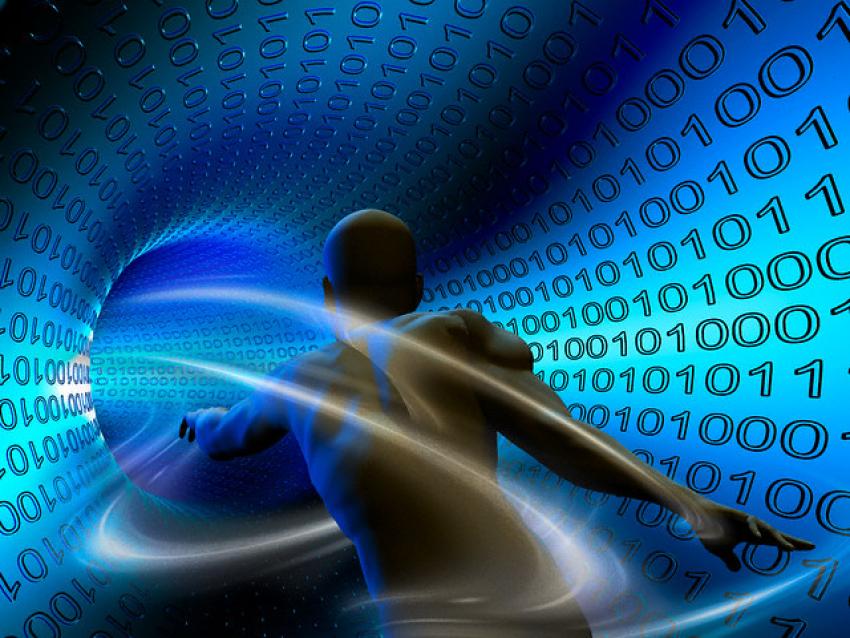
When considering the internet, we can think of it as having evolved from its beginnings as a static Web 1.0 experience through a lively and interactive Web 2.0 era to the introduction of the next stage of the internet, called Web 3.0. Web 3.0 is the decentralized, intelligent version of the internet that will change the way businesses/developers and users interact online. Many people wonder what Web 3.0 is and if it really matters. This blog will specifically define Web 3.0 and what it means for the future of web development.
What is Web 3.0?
Web 3.0 is a decentralized version of the internet that empowers users to have more agency over their data and digital identity. In comparison to Web 2.0, which is about centralized platforms storing and leveraging user information, Web 3.0 leverages web development based on blockchain, artificial intelligence, and the semantic web. It includes the ability to have ownership over digital assets (particularly through non-fungible tokens (NFTs)), use smart contracts created for secure automation, and operate decentralized applications that divide governance from single entities.
Difference Between Web 2.0 and Web 3.0
The difference between Web 2.0 and Web 3.0 is an important one. Web 2.0 is focused on content created by users, social networking, and centralized systems, which control most of the web experience. Blockchain technology further strengthens Web 3.0's decentralized nature and restores ownership to the users. This is an important pivot point in the next stage of how applications are developed and experienced in general, and a critical pivot in the future of web development.
Core Technologies of Web 3.0
A number of Web 3.0 technologies enable this shift—blockchain offers a decentralized architecture as a basis for security and transparency, smart contracts streamline automated trustless transactions, artificial intelligence and machine intelligence build intelligence and decision-making procedures, and the semantic web provides a foundation for machines to understand and process information in context. Together, these technologies establish the groundwork for developing decentralized web applications that will enhance the internet's intelligence and security.
Benefits of Web 3.0
The benefits of Web 3.0 go beyond the technologies themselves—for users, it will mean better control of their own private data, better security of their data, and better personalization; for businesses, it will mean more opportunities to deploy decentralized finance, NFTs, and digital identity products; for developers, it will represent a whole new class of decentralized applications that will be both faster and transparent and trust-based in comparison to the centralized products we use today.
Web 3.0 and the Developer Experience
The emergence of Web 3.0 and web development has ushered in new possibilities and challenges for developers. It is important to know the effects of Web 3.0 on development, since developers will have to develop new skills focused on blockchain programming, smart contracts, and decentralized infrastructure. Development will increasingly include the use of programming languages such as Solidity and Rust, for example, and AI-assisted programming solutions, which are now part of an everyday workflow. Incorporation of traditional frameworks will evolve to accept decentralized functionality.
The Web 3.0 Use Cases
There are beginning signs of use cases for Web 3.0 and its influence on the industry.
Decentralized finance (DeFi) platforms are offering users the ability to engage and execute transactions securely without intermediaries. Digital ownership through NFT marketplaces allows for representation of both assets and art. Blockchain systems for supply chain transparency and decentralized healthcare and identity solutions for security are all utilizing decentralized strategies. Web 3.0 is transforming business with trust, efficiency, and innovation across nearly every sector.
The Future of Web Development
The future of web development is seeing a solid shift toward decentralization, automation, and user ownership. Early adopters of Web 3.0 will gain an advantage in developing secure, scalable applications that are ready for the future.
As a developer, optimizing for decentralized ecosystems and Web 3.0 will be important. For businesses, using Web 3.0 helps them remain relevant and competitive in the rapidly changing digital economy..
FAQ
Q1. What is Web 3.0 in simpler terms?
Web 3.0 is the next generation of the internet. Internet ownership via blockchain, AI, and decentralization creates better, smarter, and safer applications.
Q2. How is Web 3.0 changing developers?
Web 3.0 will place developers in new learning (e.g., blockchain programming, smart contract integration, etc.) that includes a turn toward decentralized and intelligent systems.
Q3. What are examples of Web 3.0?
Examples of Web 3.0 include decentralized finance, NFT platforms, digital identity verification, supply chain management, and AI-based applications for companies and/or users.