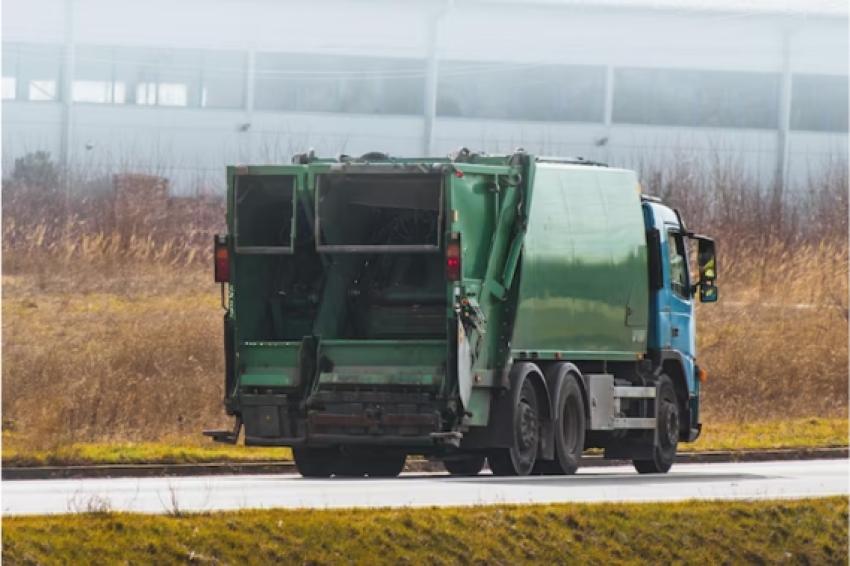
In the fast-paced world of waste operation, effectiveness isn’t just a thing it’s a necessity. Every missed volley, hamstrung route, or homemade shadowing error can bring drivers time, plutocrat, and customer trust. That’s why ultramodern waste operation companies are turning to waste hauling software and waste collection software to streamline operations, ameliorate responsibility, and reduce functional costs.
From automating route planning to furnishing real-time visibility into diurnal collections, these digital results are transubstantiating how external authorities, marketable businesses, and waste drivers handle their operations. Let’s explore how this technology can revise your business.
Why Traditional Waste Management Styles Are Going You
Numerous waste operation companies still calculate on homemade processes, spreadsheets, or outdated systems. These styles can lead to:
Inefficient collection routes – motorists may waste time navigating sour paths.
Missed pickups – lack of visibility into diurnal operations can frustrate guests.
High labor costs – homemade shadowing and paperwork consume precious staff hours.
Data trip – miscalculations in billing, reporting, and tracking reduce profitability.
Without a digital system, drivers struggle to balance functional effectiveness with client satisfaction. That’s where waste hauling software comes in as a transformative result.
What's Waste Hauling Software?
Waste hauling software is a technical digital tool designed to manage the entire lifecycle of waste collection and disposal. It integrates critical aspects of waste operation, including:
Route optimization
Real-time shadowing of exchanges and holders
Automated billing and client operation
Compliance reporting and verification
Data analytics for performance monitoring
When paired with waste collection software, these results give end-to-end control over domestic, marketable, and artificial waste operations.
How Waste Hauling Software Reduces Costs
Investing in waste hauling software might feel like an outspoken expenditure, but the savings snappily neutralize the original investment. Then’s how:
1. Optimized Collection Routes
By assaying literal data, business patterns, and volley schedules, the software generates the most effective routes for scrap exchanges. This leads to:
Reduced energy consumption
Shorter trip times
Lower wear and tear and gash on vehicles
2. Automated Scheduling and Dispatching
Homemade scheduling frequently results in missed collections or lapping routes. Waste collection software automates the scheduling process, icing:
Every client is served on time
Effective use of labor coffers
Smaller complaints and service detainments
3. Real-Time Waste Tracking
Drivers can cover exchanges, lockers, and collection progress in real-time, reducing the need for constant supervision and barring spare passages. Benefits include:
Advanced responsibility for motorists
Instant verification of service completion
Faster response to client inquiries
4. Accurate Billing and Reporting
Homemade billing crimes can affect in lost profit. With waste hauling software:
Checks are generated automatically grounded on service data
Reports give perceptivity into functional costs and profit trends
Operation can make data-driven opinions to ameliorate profitability
How Efficiency is Boosted Through Robotization
Effectiveness is further than just saving plutocrat — it’s about delivering dependable, harmonious service while freeing up coffers for strategic growth. Waste hauling software enhances effectiveness by:
Streamlining Operations
Single platform for route planning, scheduling, and client operation
Integration with GPS, RFID, and camera verification systems
Reducing Mortal Error
Automated data entry and shadowing minimize miscalculations
Digital logs replace paper-grounded systems for delicacy
Enhancing Communication
Motorists admit real-time updates and route adaptations
Operation can incontinently communicate changes to address brigades
Crucial Features to Look for in Waste Collection Software
When choosing the right software, drivers should consider these features:
Route Optimization Algorithms – to maximize energy and time effectiveness
Real-Time GPS Tracking – for covering exchanges and icing responsibility
Automated Billing – for accurate and timely invoicing
Client Gate – for service requests, complaints, and updates
Analytics & Reporting – for data-driven decision-timber and performance monitoring
Mobile App Integration – so motorists and field staff can pierce schedules on the go
These features not only ameliorate operations but also enhance client satisfaction and company character.
Real-World Benefits for Waste Management Companies
By integrating waste hauling software into diurnal operations, companies can witness palpable benefits similar as:
Cost Savings – lower energy bills, reduced labor costs, and minimized vehicle conservation
Advanced Productivity – more pickups completed per day with smaller coffers
Bettered Client Satisfaction – reliable service leads to happier guests
Regulatory Compliance – automated logs and reporting simplify checkups and examinations
Sustainability Pretensions – effective routes reduce carbon emigrations, supporting environmental enterprise
Conclusion
In moment’s competitive waste operation geography, traditional styles are no longer sufficient. Waste hauling software and waste collection software give ultramodern drivers with the tools they need to cut costs, boost effectiveness, and deliver superior service.
By embracing digital results, waste operation companies, external authorities, and marketable businesses can transfigure their operations, icing both profitability and trustability.
For drivers looking to contemporize and optimize their waste operation processes, WIS (Waste Inventions Results Ltd) offers comprehensive waste hauling and collection software results designed to streamline operations, ameliorate responsibility, and deliver measurable results.