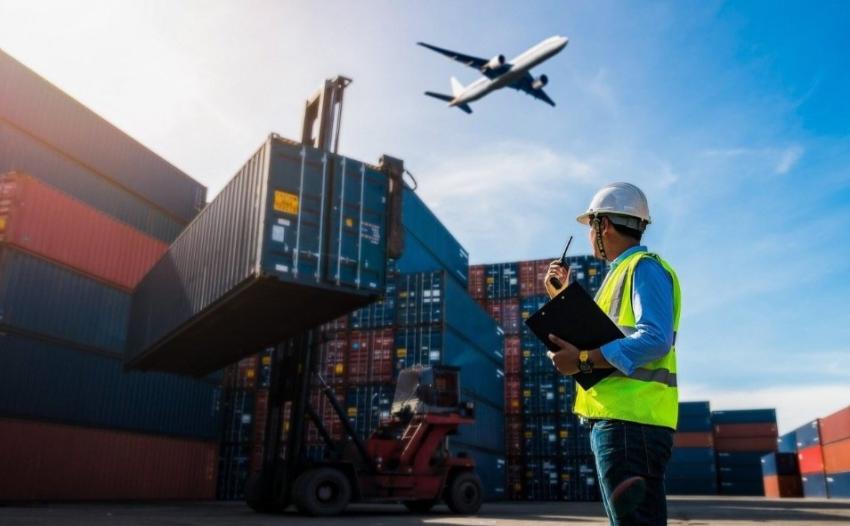
Asia continues to lead global trade growth. With rising exports, growing demand for speed, and complex supply chains, the region now demands smarter logistics. Integrated freight solutions help solve these challenges by connecting land, sea, and air transport under one streamlined system.
Companies no longer rely on a single method or partner. They work with coordinated teams and digital tools. A freight forwarder Singapore businesses trust now plays a much larger role than before, linking various services into one efficient journey.
This guide explains why integrated freight matters, how it works, and what it means for the future of trade in Asia.
What Is an Integrated Freight Solution?
1. Combining Multiple Transport Modes
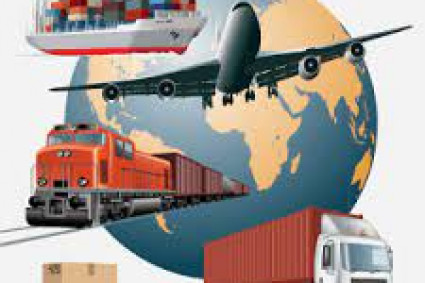
Integrated freight solutions connect different types of transportation. Goods may travel by truck from a warehouse to a port, move by ship across the sea, and then reach the customer by rail or air. The process involves one master plan that links each part together.
Instead of handing cargo over to many providers, companies use one main team to oversee the full journey. This reduces errors, improves speed, and helps track items at every step.
2. How It Differs from Traditional Freight?
Traditional freight often treats each leg of the journey separately. One provider may handle land transport, another sea shipping, and a third may take care of customs. Problems arise when these steps fail to align. Delays stack up, paperwork repeats, and communication breaks down.
Integrated freight avoids this by placing control in the hands of one organiser. That team ensures every part fits smoothly with the next.
Why Asia Needs Integrated Solutions Now
1. Complex Trade Routes and Rising Volumes
Asia’s exports span across borders, oceans, and time zones. Products flow from factories in China to warehouses in Thailand, ports in Vietnam, and airports in Singapore. As volumes increase, the risk of delay or damage grows.
An integrated system lets freight forwarding companies manage this complexity without confusion. They coordinate every step so goods move faster with fewer handovers.
2. Growth of E-Commerce
E-commerce adds new pressure. Customers now expect fast, accurate deliveries across long distances. One mistake can lose a sale or damage a brand’s name.
With an integrated plan, goods move directly from the supplier to the warehouse to the doorstep with minimal delay. This meets modern speed expectations and keeps costs low.
Demand for Real-Time Visibility
Buyers, sellers, and partners all want to track shipments. Old systems give updates once or twice. Modern tools now provide real-time updates on location, status, and any problems.
Integrated freight uses connected platforms. This enables businesses to track cargo, modify routes, and set realistic time expectations.
The Role of Freight Forwarding Companies
1. Connecting the Supply Chain
Freight forwarders link every part of the journey. A reliable team plans routes, handles customs, manages documents, and solves problems when they arise.
In Asia, many businesses rely on freight forwarding companies to bridge gaps between sea, air, and land routes. They choose the best path based on cost, speed, and cargo type.
2. Offering a One-Stop Service
Freight forwarders now do more than move goods. They provide warehousing, insurance advice, customs support, and inventory tracking. One contact handles everything, making it easier for businesses to stay organised.
This approach saves time, lowers risk, and builds stronger relationships between clients and logistics providers.
3. Custom Solutions for Different Industries
Every business has different needs. Electronics need extra protection, while food requires temperature control. A flexible freight forwarder Singapore companies use often adjusts plans to suit product type, size, and deadline.
Custom solutions increase trust and create long-term partnerships.
Sea Freight Still Plays a Central Role
1. Cost-Effective for Large Loads
For heavy or bulky shipments, sea transport remains the most practical choice. While slower than air, it costs much less and suits long hauls. Many Asian companies use sea freight as the backbone of their supply chain.
Sea freight companies work closely with inland transport to complete delivery once the vessel docks.
2. Port Infrastructure Across Asia
Asia hosts some of the busiest ports in the world, including Singapore, Shanghai, and Port Klang. These hubs support efficient cargo flow, connecting producers and consumers quickly.
An integrated freight system makes use of this infrastructure. It lines up shipping schedules with road and rail movements to avoid idle time.
3. Challenges That Call for Integration
Delays at ports, container shortages, and changing weather all affect sea freight. Without coordination, these issues cause further problems inland.
Sea freight companies now cooperate more closely with forwarders and land transport teams to manage these risks. A shared plan reduces delay and improves customer satisfaction.
Digital Tools That Power Integrated Freight
1. Transportation Management Systems (TMS)
A TMS helps plan, track, and adjust cargo movements in real-time. It collects data from vehicles, ships, and warehouses into one dashboard. This visibility helps managers spot problems early and find better routes when needed.
Many freight forwarding companies use TMS to offer faster quotes, better customer support, and smarter decisions.
2. Warehouse Management Systems (WMS)
Warehouses now use smart systems to track what comes in and what goes out. A WMS controls inventory, reduces loss, and speeds up order fulfilment.
These systems talk to transport teams, so the right truck arrives when the goods are ready. This link keeps cargo moving without delay.
Benefits of Integrated Freight Solutions
The table below compares how integrated systems outperform traditional freight setups. This helps explain why so many companies across Asia now change their logistics approach.
Feature
Control Over Journey
Traditional Freight - Split across providers
Integrated Freight- Managed by one main planner
Shipment Visibility
Traditional Freight- Limited updates
Integrated Freight- Real-time tracking
Error Handling
Traditional Freight- Delays due to confusion
Integrated Freight- Fast response through central team
Use of Technology
Traditional Freight- Basic tools
Integrated Freight - Connected digital platforms
Cost and Time Efficiency
Traditional Freight- Often higher
Integrated Freight- Reduced through coordination
Regional Examples of Integration in Action
1. Singapore as a Multimodal Hub
Singapore stands out as a leader in integrated freight. Its airport, seaport, and road systems connect within short distances. A freight forwarder Singapore businesses work with often links air and sea routes within a single day.
This fast turnover supports industries like electronics, food, and healthcare, where timing matters most.
2. Cross-Border Movement in ASEAN
Countries like Malaysia, Thailand, and Vietnam now link roads and rail to simplify cross-border movement. Integrated freight helps avoid repeated customs checks and reduces paperwork.
Freight forwarding companies use this network to connect factories, warehouses, and retailers smoothly across the region.
Challenges That Still Remain
1. Varying Rules Across Borders
Each country has its own customs laws, inspection rules, and taxes. This creates confusion and delays when moving cargo between regions.
Integrated freight solutions reduce this risk by preparing documents in advance and managing compliance across borders.
2. Infrastructure Gaps
Some regions still lack strong roads, ports, or digital systems. This creates weak links in the chain.
Freight forwarding companies must plan routes carefully, avoid bad roads, and work with local partners to fill these gaps.
Conclusion
Asia’s trade networks grow more complex each year. To stay competitive, businesses need fast, flexible, and reliable cargo movement. Integrated freight offers this by uniting sea, air, and land transport into one seamless system.
A freight forwarder Singapore businesses rely on no longer just ships boxes. They build bridges between platforms, tools, and teams. Meanwhile, freight forwarding companies and sea freight companies now work together more than ever before, making sure goods move without delay or confusion.
By choosing integrated freight, companies gain control, clarity, and confidence. The result? Smoother deliveries, better service, and stronger global trade.