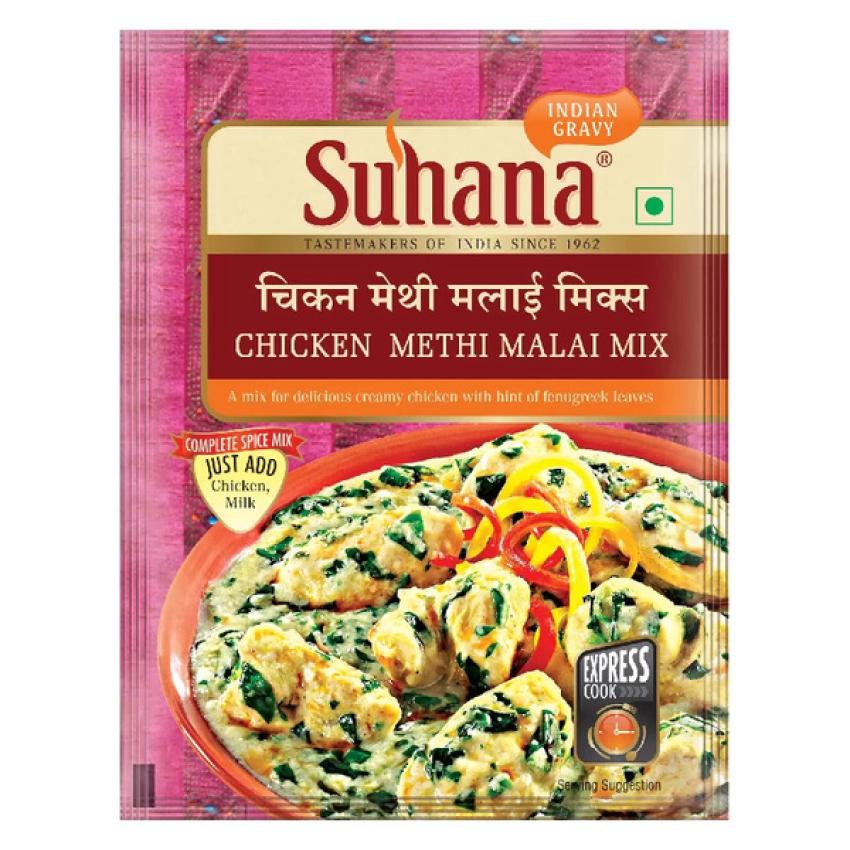
The global ethnic food market is experiencing a renaissance—driven by diaspora demand, global palates, and online shopping. Products once relegated to local supermarket shelves, including Suhana Chicken Methi Malai Spice Mix, now find their way into other continent kitchens. What's behind this taste for adventure is a radical change in how businesses manage logistics, inventory, and fulfillment. As worldwide demand for culturally niche, specialty foods grows, technology-driven logistics is the make-or-break factor for scalability and profitability.
This article explores how digitization is revolutionizing the logistics of ethnic food distribution and what business leaders and technology strategists must do to stay ahead in this rapidly growing segment.
The Rise of Global Demand and the Complexity of Supply
Ethnic food logistics is not just shipping a box—it's reconciling cultural integrity with contemporary operating needs. From Mumbai to Manchester, consumers expect freshness, accuracy, and transparency. But managing thousands of SKUs with different shelf lives, packaging specifications, and country of origin requirements creates significant obstacles.
For example, a product like Suhana Chicken Methi Malai Spice Mix may look simple at first glance. Yet, its distribution entails precise forecasting to avoid spoilage, intelligent packaging compliance to guarantee global food safety standards, and rapid fulfillment to maintain taste integrity.
The magnitude of the challenge increases when you're dealing with long-tail demand: diverse but small volumes of products streaming into distant markets. Most classic ERP systems just aren't equipped with the levels of granularity and responsiveness needed to move through such dynamic, multi-cultural sets of inventory. This is where tech stepped in.
How Logistics Technology is Driving Niche Product Success
1. Smart Inventory and Forecasting Software
Ethnic product demand forecasting is notoriously difficult due to seasonal and geographic spikes in demand (e.g., Diwali, Ramadan, or geographic harvest celebrations). AI-driven demand forecasting, driven by machine learning, allows firms to dynamically build sales patterns using inputs like search volume, purchase history, and cultural calendars.
Inventory control systems are becoming increasingly tailored for ethnic food store proprietors. The systems can tag items like Suhana Chicken Methi Malai Spice Mix for auto-reordering based on predictive analysis, preventing stockouts or overstock.
2. Cold Chain and Shelf-Life Monitoring with IoT
Ensuring product integrity is critical, especially for spice blends, pastes, and frozen foods. The logistics players are turning to IoT sensors and blockchain to offer end-to-end tracking of temperature, humidity, and handling during shipping.
For instance, by way of smart labeling and sensor-embedded pallets, a distributor may be notified if a consignment of masala mixes is exposed to conditions that could adversely affect quality. Such data not only ensures accountability but also makes import/export compliance rules with total audit trails possible.
3. Hyperlocal Warehousing and Micro-Fulfillment Centers
One of the most important causes of pain in global ethnic food delivery is last-mile fulfillment. Slowed shipping times and customs clearance can ruin customer experience. That's why businesses are adopting hyperlocal warehousing strategies—placing smaller, technology-enabled fulfillment centers near diaspora-concentrated neighborhoods.
These small-fulfillment centers can be automated and tied to inventory APIs to facilitate quick restocking and faster delivery. This is well worth it for light-weight, high-margin items like Suhana Chicken Methi Malai Spice Mix, which benefit from being warehoused close to customer demand clusters.
E-commerce Integration and the Rise of Direct-to-Consumer (DTC) Platforms
The pandemic has rushed the transition from offline to online-first ethnic food sales. When platforms expand, it is critical to couple logistics technology with online platforms like Shopify, Magento, or custom-built headless CMS.
Successful DTC brands operating in the ethnic grocery space implement backend orchestration layers that combine:
Real-time inventory availability
Location-based estimate of delivery time
Cross-border tax and custom logic
Behavioral and ethnicity-based personalization
These digital touchpoints not only drive conversion but also allow smaller brands to go head-to-head with international big-box retailers—basically leveling the playing field.
Challenges and Opportunities Ahead
It's not frictionless to digitize ethnic food logistics. Legacy distributors that are hesitant to adopt technology, fragmented source country supply chains, and regulatory hurdles make automation challenging.
But the upside is huge. Companies that scale technology-enabled logistics correctly will not only reduce waste and increase margins but also unlock new markets. Imagine a scenario where every Berlin, Sydney, or Nairobi home cook can procure a specialty spice mix like Suhana Chicken Methi Malai Spice Mix with the same ease and speed as buying mass-market pantry essentials.
There is also latent value in data. With more precise consumption data, brands can tailor product innovation, marketing, and even package formats to specific diaspora segments—making logistics systems innovation drivers.
Conclusion: Cultural Commerce Meets Digital Infrastructure
The success of products like Suhana Chicken Methi Malai Spice Mix in the global market isn't just a triumph for culinary diversity—it's a testament to the critical role that logistics technology plays in scaling niche verticals. For leaders in logistics, retail, and foodtech, the lesson is this:
Cultural specificity does not necessarily translate to operational inefficiency.
With the right pairing of AI, IoT, e-commerce integration, and agile warehousing, ethnic food brands can expand worldwide without sacrificing authenticity. As the market becomes increasingly mature, expect to see more partnerships between culturally-driven retailers and supply chain disruptors. The food logistics of the future is half about flavor and half about data—and the businesses that can understand both will power the next generation of global commerce.