1. Introduction
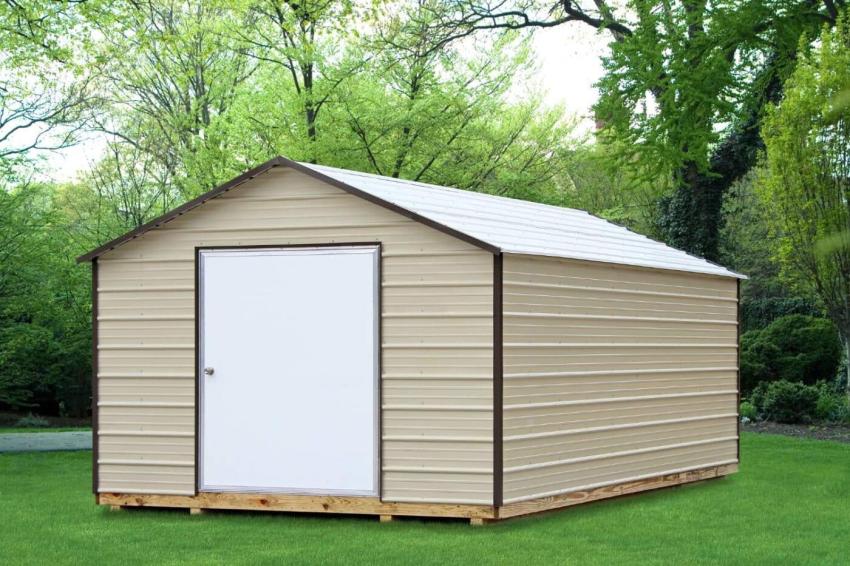
Offering more storage, workspace, or even a retreat, a shed is a welcome presence in any backyard. Still, among the most serious menaces to your shed's life is rot and mold. Moisture entering the Shed Base would compromise the foundation, therefore rendering the shed unsafe to use and leading to structural failures.
Therefore, what keeps your shed base mold and rotfree? Proper selection of materials, adequate drainage, good ventilation, and regular maintenance are all essential.
Starting with choosing a strong shed foundation to using successful waterproofing technologies, this handbook presents the top methods for stop rot and mold. You will have all the information by the end to keep your shed for years to come defended.
2. Understanding The Causes Of Mold And Rot On Shed Bases
One must first know what leads to mold and rot before diving into answers.
Accumulation of moisture.
Mold emergence and decay of wood are mainly caused by moisture. Water seeping into the shed base sets ideal conditions for fungi and bacteria to grow. This is especially challenging in areas with heavy rain or hot temperatures.
insufficientairfloCovered Doors
Moisture is held under and inside the shed in the absence of good ventilation. This causes condensation accumulation and speeds up mould expansion.
Insufficient drainage
The foundation will eventually let in water if it gathers around the shed. Standing water by your shed foundation can result from poor grading of the land, absence of gutters, and compacted ground.
Exposure to organic material
Mold development can also be encouraged by leaves, dirt, and grass accumulating around your shed that helps to keep moisture. Contact with soil will accelerate rotting of the shed's wooden base.
Proper Shed Base Material Selection
3. Choosing The Right Shed Base Material
Concrete Bases
Very strong and moisture resistant.
Descent cracking to keep water from getting in need proper sealing.
Although costy, it promises longterm stability.
Gravel Bases
Good drainage helps to lower the possibility of stagnant water.
Permits improved ventilation under the shed.
Maintaining effectiveness calls for occasional raking and leveling.
Plastic Shed Bases
Created from recycled plastic, impervious to rot and mould.
little weight and simple to fit
Perfect for tiny and mediumsized misdemeanors
Wooden Shed Bases
economical and simple to operate
Should be pressuretreated and sealed to fight moisture.
To avoid direct soil contact, one must raise these from the ground.
Your weather, budget, and longterm maintenance preference will help you select the best foundation.
4. Ensuring Proper Drainage Around Your Shed
No matter how good your shed foundation is, lousy drainage can still cause rot and mildew. Keeping water out of your shed goes like this:
Grade the Ground Appropriate Level
Make sure the ground is slanted off the shed base. A small slope will let water flow freely instead of accumulating around the building.
Put in a French Drain.
Gravelfilled trench running which guides water away the shed from French drains. This is especially valuable in regions of high precipitation.
Gravel Beds Around the Shed Help
A gravel border around your shed helps to soak up extra water and stops soil from getting too saturated.
Keep water from gathering close to shed bases.
After storms, if you see pools developing around your shed, improve drainage by regrading the soil or adding more gravel.
5. Waterproofing Your Shed Base
Keeping your shed base free of rot and mold depends on waterproofing it. This is a good way to go about it:
Implement Sealants
Applying a waterresistant sealant provides a further level of security for wood and brick bases. Select a sealant meant to keep water from penetrating.
Apply a vapor barrier.
A vapor barrier installed between the ground and the shed base, such a strong plastic sheet, helps to stop foundation from getting in contact with ground water.
Raise the shed base.
Whenever feasible, use concrete blocks or treated wooden beams to bring your shed some off the ground elevation. This cuts direct touch with moist surfaces.
Ventilation approaches to stop the spread of mold.
Proper air circulation is crucial for avoiding shed base and inside and outside moisture build up. Without air circulation, humidity becomes trapped and mold, mildew, and eventually rot follow.
Fit shed vents.
Installing vents on your shed gives for consistent airflow. Reflect on the following:
Wall vents are located on different sides to provide crossventilation.
Roof vents assist hot, moist air to go away.
Floor vents help air to circulate under the shed and especially more for wood foundations.
6. Regular Maintenance Tips For A Mold-Free Shed Base
Selecting items that let air freely circulate helps to avoid humidity formation. By way of illustration:
Since metal sheds might capture humidity, they need more ventilation.
Breathable, moldresistant coverings should be applied to wooden sheds.
Situate the shed in an area wellventilated.
By putting your shed in an open area rather than close to walls or fences, you guarantee free ventilation. Keep it in higher locations away from anything that could readily cause dampness.
7. Routine Maintenance Guide For A Base Of A Moldfree shed
Keeping your shed base in top shape depends much on regular maintenance. Best practices may be found these ways:
Sweep up organic material and debris.
Clear plant material, dirt, and leaves from the base of the shed.
Keeping weeds and grass cut helps cut dampness stored.
Search for damp areas and leaks.
Check for moisture signs on the walls and floor of the shed.
Search for gaps or crevices where water could enter.
Apply coatings that resist molds.
Protect the shed foundation with waterproof paints and wood preservers.
For solid bases, every couple years reapply sealant to keep their waterproofing barrier.
8. Preventing Wood Rot On Shed Foundations
Should you already have a wooden shed base, you must be especially vigilant against rot.
Select PressureTreated Wood.
Pressuretreated lumber will not rot from moisture or fungi.
Verify that the wood is ground contact rated.
Apply stain coverings and protectives.
Apply wood stains made from oil to keep moisture out.
Think about utilizing a clear polyurethane finish to increase the resiliency.
Elevate wood from direct contact with the soil.
Pour a concrete or gravel foundation below wooden supports.
Create a moisture barrier using rubber or plastic footing.
9. Chemical And Natural Remedies For Mold Prevention
Quickly apply these remedies if you see mold starting on the base of your shed:
Natural Cure
White vinegar is one possibility for spraying on moldy regions followed by scrubbing using baking soda.
Hydrogen Peroxide destroys mold spores sans toxic gases.
Mix 1 cup of borax into a gallon of water and spread over damage spots.
Chemically treatments
Specially formulated fungicidal sprays designed to eradicate mildew and molds.
Retreat untreated wood with wood preservatives to inhibit fungus expansion.
Reallife case studies in shed base maintenance run 15 times
.
10. Real-Life Case Studies On Shed Base Maintenance
Case study:1 The Backyard Hobbyist
Within a year, John saw mould developing and constructed a wooden shed base. His mold problem vanished after he switched to a gravel base and put in vents.
Case Study 2: The DoitYourself Fans
At first, Emma positioned her shed directly on the ground, which went bad. Later she erected it on a elevated concrete base and put on waterprotective sealant. The new arrangement has lasted over ten years minus any problems.
11. Common Mistakes To Avoid When Building A Shed Base
Neglecting drainage considerations
Not grading the land correctly leads to standing water.
Solution: Always make a subgradation surface or put in a drainage system.
by means of untreated wood.
When exposed to moisture, normal wood will decompose promptly.
Solution: Pick pressuretreated wood and put on protective coverings.
Ignoring Routine checkups
If not attended to, small mold patches can quickly cover travel distances.
Solution: Each season, search for evidence of moisture harm at the shed's base.
12. Frequently Asked Questions on Maintaining Your Shed Base Free of Rot and Mold
1. How frequently should I check my shed base?
Every two years, at least—once prior to winter and once in spring—to inspect for water damage, fungus, or structural defects.
2.Will ordinary paint help me to guard my hut bottom?
Standard paint does not serve to protect enough against moisture. Coat the surface with wood sealant or exteriorgrade waterproof paint.
3. How should one best improve drainage?
Install a French drain around the shed and use a gravel foundation.
4. Is mold starting under my shed? How would I tell?
Seek dark marks on the wood, damp patches on the floor, or musty smells.
5. What is the ideal foundation material for moist regions?
Ideal are concrete or gravel bases; they enable good drainage and little moisture.
13. Conclusion
A proactive strategy is needed to keep the foundation of your shed free of rot and mold. Every stage—from choosing the right materials to applying waterproofing methods and routine maintenance—is absolutely important to guarantee the longevity of your shed.
Your shed can be saved from moisture damage and you will spare yourself expensive repairs in the future by observing the top practices set forth in this book. Start now, check your shed foundation, and use these techniques for a strong, longlasting outdoor construction.